VOLCANIC BRECCIA STONE PROPERTIES, MEDITATION - CONCENTRATION - ENERGY - SELF-CONFIDENCE
- is associated with the energy of fire and the creative power of the earth
- gets energy flowing, helps you throw yourself into needed action
- strong cleansing effects
- helps harmonize relationships, feelings, and emotions
- absorbs negative energy and electromagnetic smog; recommended for cleansing interiors and placing near a computer
- calms during stress, alleviates doubts
- improves performance and endurance in sports
- strengthens the ability to remember dreams
- in a child’s room, it wards off nightmares
- helps prevent mood swings
HEALTH EFFECTS
- healthy sleep
- has a beneficial effect on the immune and nervous systems
- contributes to the treatment of the intestines, liver, gallbladder, pain in the legs, back, and head
- relieves labor pains,
- supports digestion, the functions of the sexual organs, and the circulatory system,
- prolongs sexual pleasure
CLEANING AND CHARGING
- rinse under lukewarm running water
- charge preferably by contact with amethyst or sunlight
CHAKRA
- 1 and 2 - root, solar plexus
PLANET
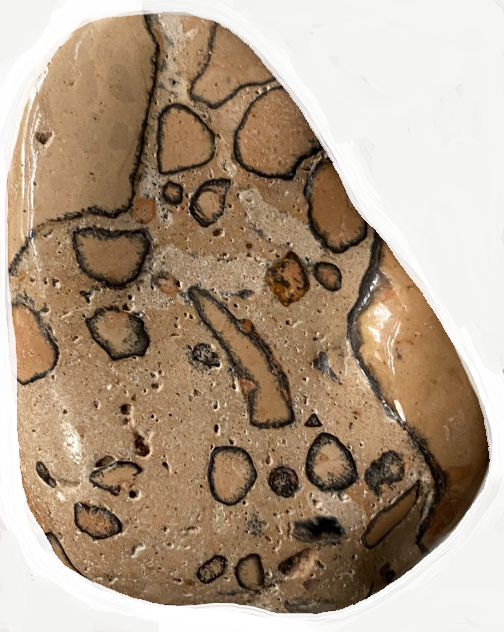
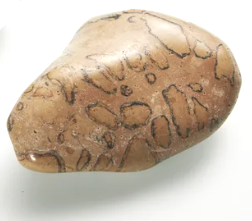
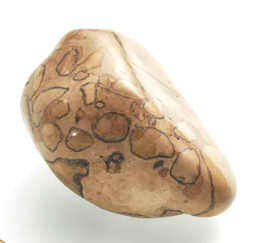
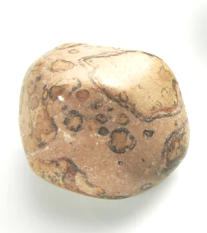
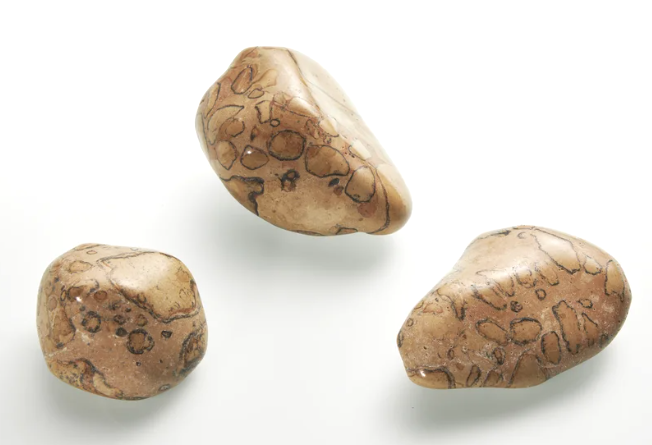
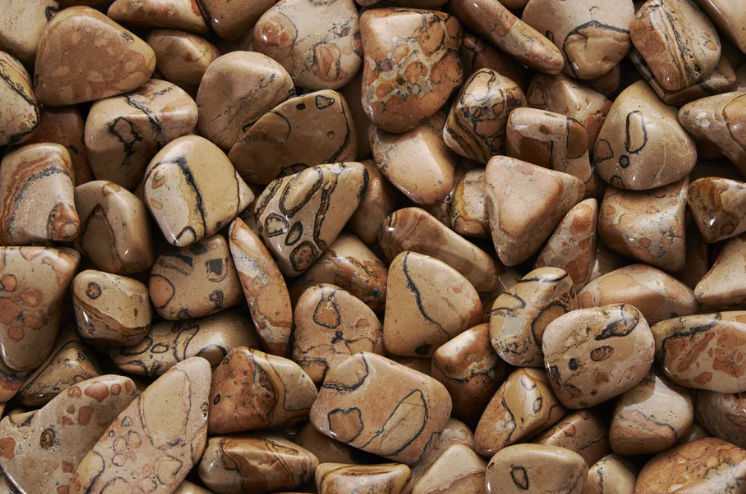
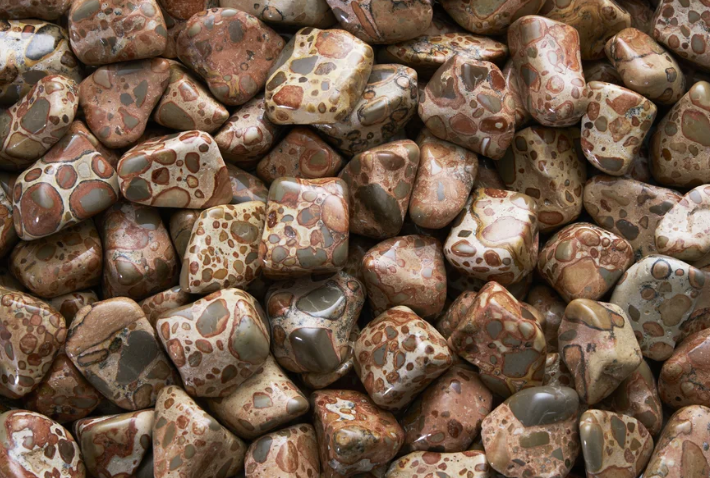
COLOR: Various shades of red, brown, gray, and black
APPEARANCE: Fragments of volcanic rocks in volcanic ash or lava
OCCURRENCE: Formed during volcanic activity, rare finds
LOCALITIES: Various volcanic areas, for example Norway (Gardnos crater)
HISTORY AND TRADITION
Volcanic breccia is an interesting mineral that formed during volcanic activity caused by the movement of continental plates. It is composed of fragments of volcanic rocks in volcanic ash or lava.
- Volcanic breccia was formed during volcanic activity and the movement of lithospheric plates; it is a stone that can ground perfectly, literally draw us into the Earth's core, anchor us, and connect us with the Earth's sphere and its layers.There is also an energy of productivity, fire, and great activity here. Something that emerged to the surface from great depth.
- Impact breccia, formed by the impact of meteorites on the Earth's surface (e.g. in the Gardnos crater in Norway). At the impact site, rocks are subjected to thermal and pressure effects. New rocks are then formed, impactites, which contain glass and specific minerals

/search_thin.svg)

/user.svg)
/cart.svg)



/heart.svg) Favorite
Favorite/compare.svg) Compare
Compare