/search_thin.svg)

/user.svg)
/cart.svg)
E-mail: info@energetickekameny.czTelefon: +420 606 647 298
PEGMATITE / PEGMATITE, teacher's stone – knowledge – wisdom – growth
PEGMATITE STONE ABILITIES, KNOWLEDGE - LEARNING
the stone helps those who seek knowledge or teach others, it is no wonder that it is called the teacher's stone, and this is the most fitting name for it!
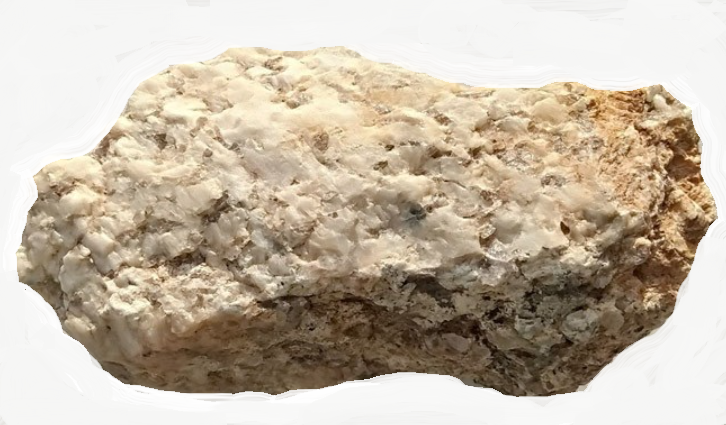
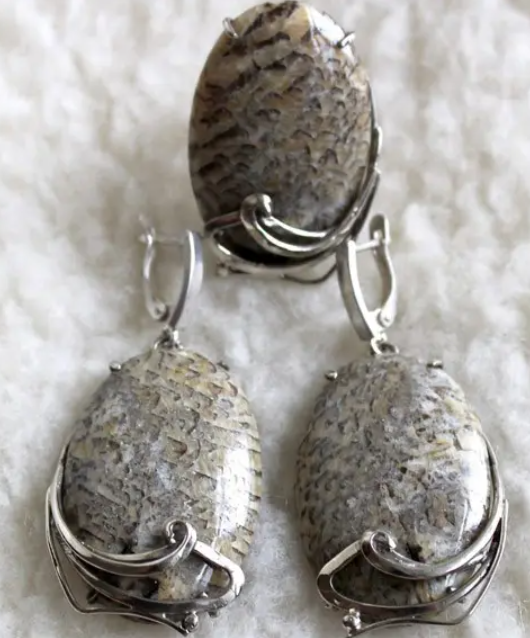
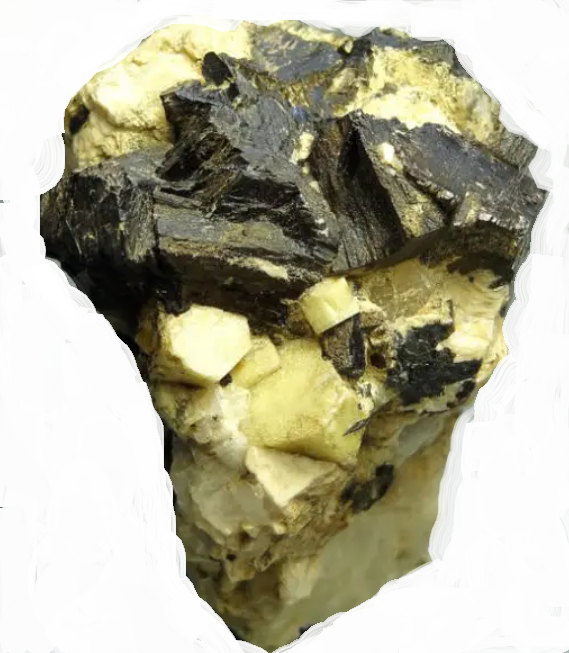
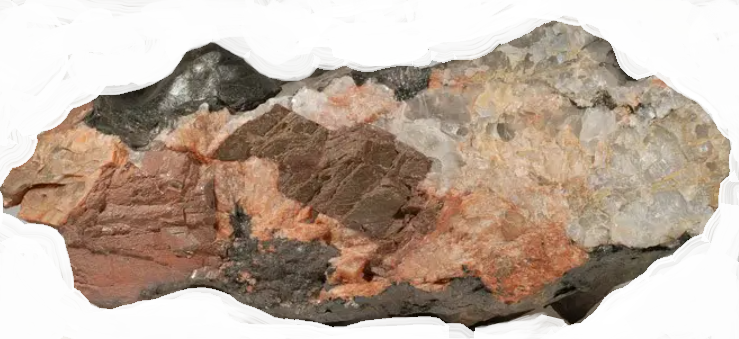
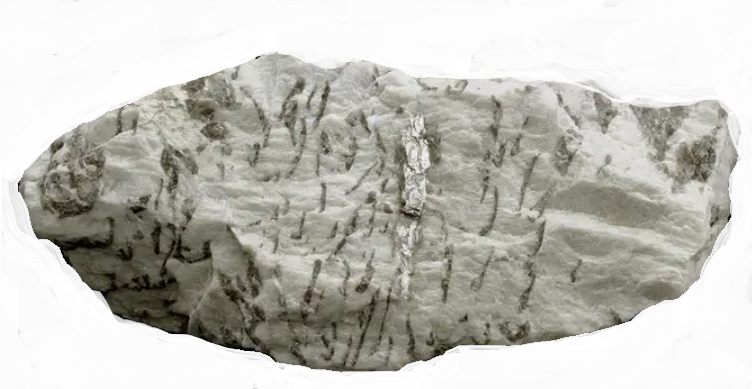
- unique volcanic stone
- can help you learn a lesson or pass an exam faster, it makes it easy to write an article or letter with it
- a stone set in jewelry or kept in a pocket helps everyone whose work is related to texts in one way or another
ZODIAC SIGNS
Esotericists claim that the teacher's stone has such a bright aura that it is associated with all zodiac signs. He is especially friendly toward people born under the sign of Virgo, sober and practical.
SITE
- Pegmatites are widespread on the planet. There are entire belts of deposits: South African, Ural, Karelian, Rajasthani, Ukrainian, Scandinavian, Brazilian, East Kazakhstan.
- The length of pegmatite veins can reach several hundred meters and their thickness, i.e. The thickness is estimated to be tens of meters. Extraction is carried out using an industrial method in an open pit.
HISTORY AND TRADITION
The formation of pegmatites began during Earth's turbulent youth, when the planet's crust was just taking shape. The young crust broke, molten magma poured into the cracks and gradually solidified. The depth of the fissures, the composition of the magma, and the duration and temperature of melt crystallization varied greatly; pegmatites are therefore highly diverse in structure and composition.
- At the beginning of the XNUMXth In the century, the French scientist Rene Ayuy called the amazing stone covered with mysterious letters pegmatite, which in Greek means “gathering.” In fact, pegmatite is not a separate mineral, but intergrown and intertwined rocks. The crystals of the stone, better known as graphic granite, grow into each other so intricately that in cross-section they create the appearance of exotic script.
- Rene Ayuy described granite pegmatite. Subsequently, geologists identified a number of rocks with similar structural features, but with different compositions. They began to be called by the same name.
- Granite pegmatite is much more widespread on Earth than pegmatites of other rocks.
- Pegmatite veins and lenses were formed in gigantic granite massifs during processes that occurred when the rocks slowly cooled or interacted with other underground structures, such as veins of geothermal water saturated with minerals. Scientists have not yet reached a consensus on exactly how this formation occurred.
If you do not go into details, pegmatite can be called granite with large and giant grains. The well-known granite consists of three components: feldspar, quartz, and small amounts of mica. The composition of pegmatite is much more diverse.
- Gemstone lovers know pegmatite in the form of graphic granite - an unusual ornamental stone whose crystals resemble letters concealing ancient wisdom.
- In Scandinavia, it is called a runestone. Perhaps the stone patterns inspired the rugged Vikings to create runic writing.
- The northern peoples considered stones with incomprehensible signs to be sacred, marked with the seal of spirits.
- In Russia, graphic granite was called the Jewish stone, for the simple reason that Russians did not know any other language with similar lettering.
- In the book A.E. Fersman describes a stone found in the Urals with lines that very precisely reproduced the shapes of letters in Yiddish. Some letters may even have been combined into syllables and some words. They believed in the natural origin of the mysterious inscriptions when they discovered that the letters had not been written on the surface of the stone, but penetrated through its thickness.
- Karelian and Scandinavian deposits are renowned for their magnificent specimens. In France, stone is quarried in black letters on a white background.
It is important to cut the lettered granite at the correct angle so that the dark “veins” penetrating the lighter mass appear on the surface in the form of mysterious signs. Otherwise, you will only get a nicely striped pebble.
USE
It is impossible to imagine modern industry without minerals extracted from pegmatite deposits. They are used in various industrial sectors:
- Metallurgy - Feldspar is a raw material for obtaining fluxes and additives for ore processing. Rare metals (cesium, rubidium, bismuth, lithium, and others) are used as additives that give metals the desired properties.
- Production of building materials - Quartz is used in the production of concrete, cement, and silicate blocks. Vermiculite is made from mica, which is used as a thermal insulator and for the production of roofing material.
- Glass and ceramics production - Quartz and feldspars are used in the glass industry. Porcelain and faience are made from feldspar for industrial purposes.
- Electrical engineering - Mica is an irreplaceable dielectric that withstands high temperatures. The fuses are filled with quartz sand.
- Microelectronics industry - Ultrapure quartz is a raw material for growing crystals for microcircuits.
- Paint production - Mica powder is added to paints, giving them a special pearlescent sheen.
- Agriculture - Mica vermiculite is used to improve soil structure.
- Medicine - Quartz glass for the production of germicidal lamps. Quartz is also needed in the production of metal-ceramic crowns.
- Cosmetics industry - Silicic acid is an integral part of hair care products.
PHYSICAL PROPERTIES
Granite pegmatite is a hard coarse-grained rock, consisting mainly of quartz and feldspar with inclusions of rare minerals. It applies to acidic rocks because 75% consists of silicon dioxide.
| Property | description |
|---|---|
| Chemical composition | Feldspar, quartz, mica |
| Specific gravity | 2.5 - 2.7 |
| Hardness | 6.5 - 7.5 |
| Compressive strength | 180-300 MPa |
| Melting point | About 1300 °C |
| Texture | Fully crystalline or coarse-grained |
| Shine | No |
| Separate | Tank |
| Electrical conductivity | No |
| Transparency | Opaque |
| Color | Light, variegated and other shades |
| Other names for the stone | Jewish stone, written granite, graphic pegmatite |
Main chemical composition: SiO2 75-79%, Al2O3 13-19%, Na2O 2.5-4, K2O up to 3%.
Recently visited products