METEORITE STONE ABILITIES, A WINDOW INTO THE PAST - MESSENGER FROM THE HEAVENS - PERSEVERANCE - RESILIENCE
a magnetic stone from space that can help keep your feet firmly on the ground, especially if you tend to give in to sudden emotions or temptations you might regret in the future!
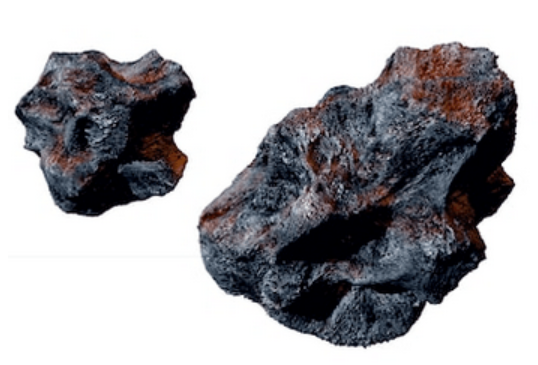
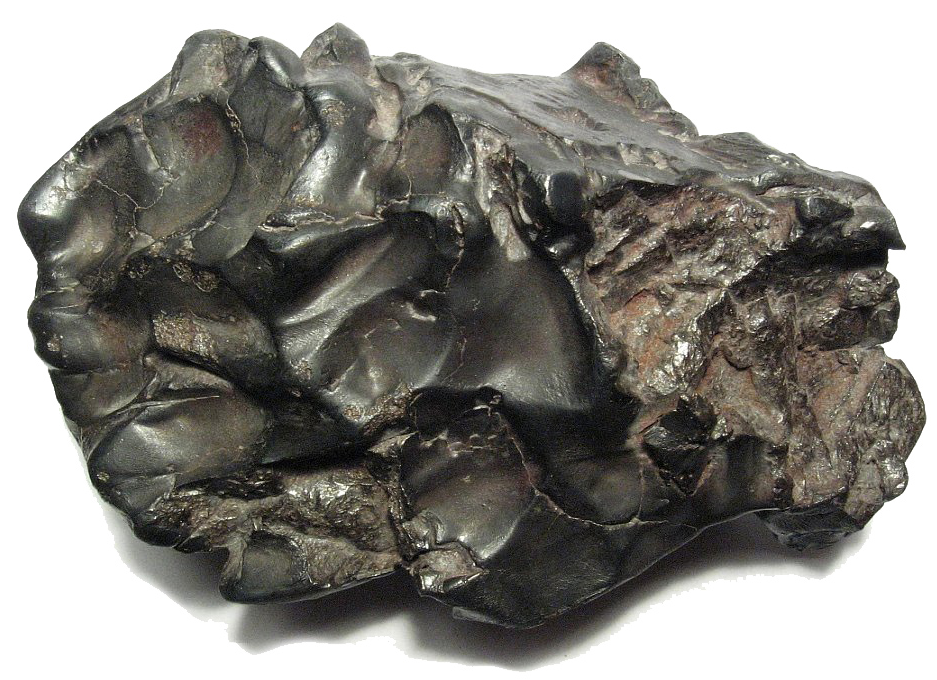
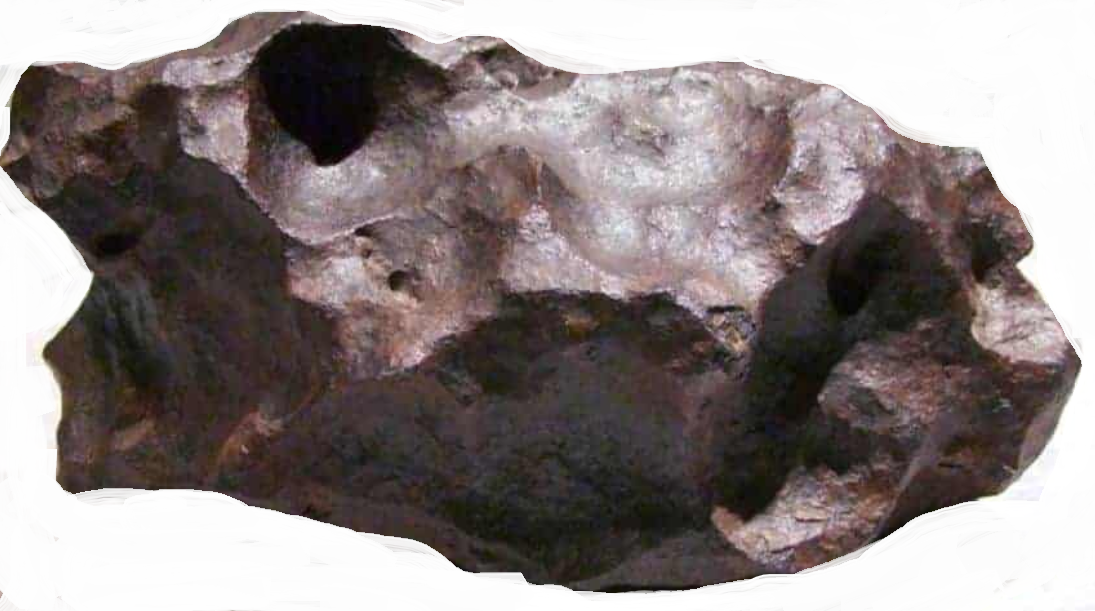
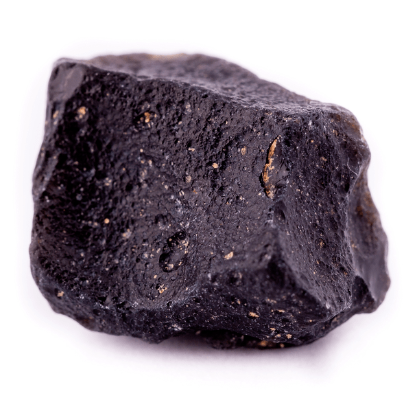
- increases perseverance and resilience in challenging times
- strong energetic effects
- has beneficial effects on our physical body
- strengthens creativity, imagination, and inspiration
- solves problems
- a stone of shamans used for enlightenment, support of strength, transformation of the old into the new, and the realization that light comes through darkness
- harmonizes the third eye chakra
- an excellent helper for people who have experienced encounters with extraterrestrials, whether in dreams or in direct form
According to Cassandra, meteorites help with receiving messages from the universe, whose purpose is to make our earthly world a better place to live through the small actions of each of us.
HEALTH EFFECTS
According to the teachings of the white witch Cassandra, meteorite is excellent in cases of difficult-to-diagnose illnesses or diseases for which treatment is hard to determine.
- strong energetic effects and can help us on the path to health
- according to old sources, it was also used for problems with the eyes, such as strabismus or cataracts
- can help us on the path to health
- this cosmic messenger is effective for problems associated with the head and brain, including their injuries and pain
- its otherworldly radiance also helps with muscle pain, cramps or tension.
SPELLS AND MAGIC
wear the stone as an amulet for protection against international terrorists, bombs, kidnappings, or violent crimes. Especially with the use of firearms and knives!!
SITE
- Meteorites can be found visually, with a magnet, or with a metal detector.The best places to search are areas where meteorites accumulate and where they can be easily distinguished from rocks of terrestrial origin.
- The ice sheets in Antarctica have proven to be the most suitable area for collecting meteorites, where 70% of all the world's collections have been gathered.
- Attention is also focused on the Saharan deserts, where meteorites contrast with the light-colored sand.
You can also identify a meteorite by its weight, specificallydensities.Meteorites are significantly heavier than terrestrial rocks.For the most widespread terrestrial rocks such as granite, sandstone, and limestone, the density does not exceed 3,000 kg/m3.The density of ordinary meteorites is approximately 3,400 kg/m3.Iron meteorites are the densest, with a mass of 7,000–8,000 kg/m3.
COLOR
The most characteristic feature of meteorites is the dark coloration of the crust.They look as if the surface had been scorched by flames.The black coloration is caused by the rapid heating of the meteoroid's surface due to air resistance during its passage through the atmosphere.The crust is 1–2 mm thick and is usually darker than the interior of the meteorite.
HISTORY AND TRADITION
Meteorites have always fallen, are falling, and will continue to fall on our planet. Some are larger, others smaller; they differ in composition, shape, and color, but they all have one thing in common. They whisper valuable information to us about our Solar System billions of years ago. In the right hands, they can serve as a "window" into the past.
According to scholars who understand stones, meteorites come from the asteroid belt between Mars and Jupiter, and the ancients
- According to surviving writings, the Egyptians had a hieroglyph for meteorite that can be literally translated as heavenly metal. It is known that a meteorite was even placed at the top of some pyramids…
Meteoroids are small objects composed of rocks and metals that are found in space. A meteor is a phenomenon, a “shooting star,” although it has nothing to do with a star. It occurs when a meteoroid enters the atmosphere and aerodynamic heating creates a streak of light.
There are iron, stony-iron, and stony meteorites.Iron finds are the most common, as they withstand passage through the atmosphere more easily and are more conspicuous.
PHYSICAL PROPERTIES
- Meteorites do not contain light-colored quartz or calcite, which are very common minerals in terrestrial rocks.Calcite effervesces in dilute hydrochloric acid or in strong vinegar.If the stone "fizzes," it is definitely not a meteorite.
- A typical characteristic of meteorites is also commonly considered to be that they are magnetic.Most meteorites contain iron in metallic form.Even earthly stones contain iron, but not all of them.Thus, a magnet being attracted is an indication that it may be a meteorite.In magnet fishing, this is not an important feature, because we are dealing with stones that have already attached themselves to the magnet.
CAMPO DEL CIELO METEORITE
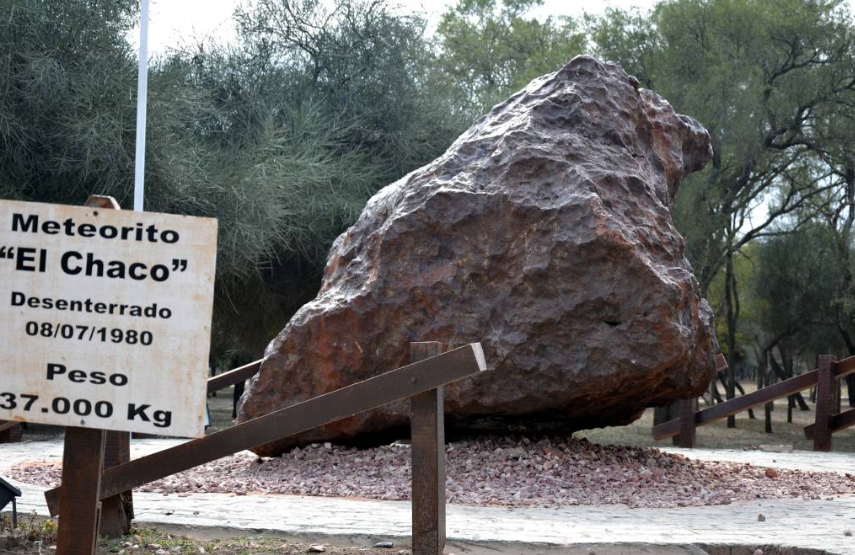
The Campo del Cielo meteorite is an iron meteorite, steel-gray and metallically lustrous, with an octahedral crystal structure, classified in the IAB group. The average composition is 92.9% Fe; 6.62% Ni; 90.0 ppm. Ga; 392 ppm. Ge; 3.2 ppm. Ir.
The name Campo del Cielo ("Field of Heaven") comes from the Spanish translation of the indigenous "Piguem Nonralta," referring to the place where meteoritic irons were found.
The impact crater field is located between the provinces of Chaco and Santiago del Estero, about 1,000 kilometers northwest of the city of Buenos Aires in Argentina.In an area of approximately 19 x 3 km, there are at least 26 craters, and the largest measures 115 x 91 meters.
The number and distribution of craters suggest that the Campo del Cielo meteorite entered the atmosphere as one large body, which broke apart into smaller fragments during its passage through the atmosphere . The total mass of the meteorites recovered so far is estimated at about 100 tons, and the age of the craters (the time of the meteorite impact) at 4,200 to 4,700 years (2200–2700 BC). The meteorite is estimated to be 4.5 billion years old (it is assumed to have formed as part of the development of our solar system).
HISTORY OF THE CAMPO DEL CIELO METEORITE
In 1576, the governor of a province in northern Argentina commissioned an army to search for an enormous mass of iron, which he had heard the indigenous people used to make their weapons.The natives claimed that the mass fell from the sky onto a place they called Piguem Nonralta, which Spanish translated as Campo del Cielo (“Field of Heaven”).The expedition indeed discovered that a large piece of metal was protruding from the ground. They assumed it was an iron vein and brought back several samples, which were described as unusually pure.The governor subsequently documented the expedition and deposited the report in the Archive of the Indies in Seville (Spain), but it was quickly forgotten there.
Later reports about this area merely repeated indigenous legends. According to the legends, in 1774 Don Bartolome Francisco de Maguna rediscovered the iron mass, el Meson de Fierro ("table of iron"). Maguna thought it was the tip of an iron vein. Another expedition led by Rubin de Celis in 1783 used explosives to remove the earth around the iron and found that it was a single piece. Celis estimated its weight at 15 tons and abandoned it as worthless.He himself did not believe that the stone fell from the sky and assumed that it was formed by a volcanic eruption.However, he sent the samples to the Royal Society in London and published his report in the Philosophical Transactions of the Royal Society (a scientific journal published by the Royal Society). These samples were later analyzed and found to contain 90% iron and 10% nickel, and they are attributed to a meteoritic origin.
Later, many pieces weighing from a few milligrams up to 34 tons were discovered in the area.A piece weighing about one ton known as Otumpa was found in 1803. The 634-kilogram piece was taken to Buenos Aires in 1813 and later donated to the British Museum. Other large fragments of the Campo del Cielo meteorite are summarized in the table below.

/search_thin.svg)

/user.svg)
/cart.svg)