
/search_thin.svg)

/user.svg)
/cart.svg)
E-mail: info@energetickekameny.czTelefon: +420 606 647 298
DIAMANT / DIAMOND, purity – fidelity – strength – eternity
DIAMOND THE ABILITY OF THE STONE, THE GEM OF KINGS - IMPROVES THE LIVES OF ITS WEARERS
Encourages strength and endurance, is a symbol of purity. Its pure white light will help bring cohesion and connectedness into your life. It has a beneficial effect on maintaining strong relationships, evokes love, and adds clarity to partnerships.
Diamond perceived as a symbol of devotion and fidelity simultaneously increases the love that a husband feels for his wife.
For thousands of years, the diamond has also served as a symbol of wealth and is considered a stone through which one can express mental abundance while simultaneously attracting it. The larger the stone, the greater the abundance it brings. Large diamonds can also effectively block geopathogenic zones together with electromagnetic disturbances and also serve as protection against the negative effects of mobile phones

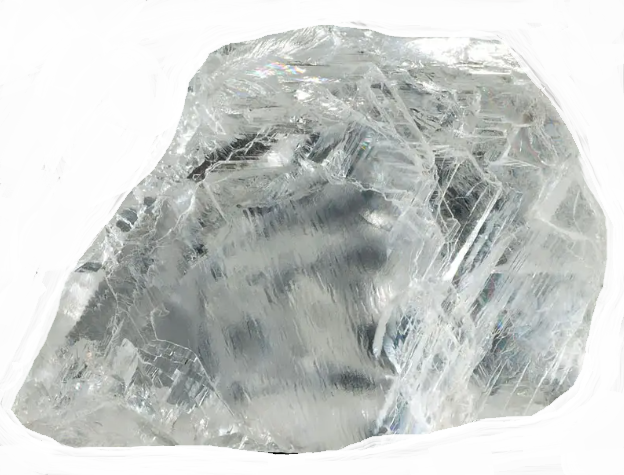
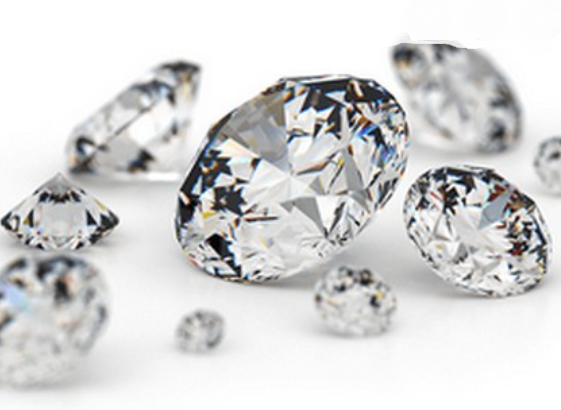
- a symbol of purity
- awakens strength, fearlessness, determination
- brings clarity
- makes us more thoughtful
- stimulates imagination
- helps with spiritual growth
- an energy amplifier, while being one of the few stones that never need to be recharged
- amplifies energy regardless of its source, while at the same time it is true that just as well as positive energy, it can also amplify negative energy
- the merciless light emanating from the diamond also reveals everything that is negative and requires transformation
- relieves emotional and mental anguish, eases fear and offers the possibility of new beginnings
- the stone stimulates creative abilities, as it develops the imagination and inventiveness of its owner
- ensures a connection between reason and higher consciousness
- brings the ability of clear thinking and helps on the path to enlightenment
HEALTH EFFECTS
- treats glaucoma, brightens vision, and has a beneficial effect on the brain
- helps heal allergies and chronic problems
- restores metabolic balance
- was used against the effects of poisons
PLACEMENT
- wear on bare skin or place on the desired area
- particularly strong effects will occur if you wear it as earrings — it is especially effective against radiation from mobile phones
CLEANING AND CHARGING
- Leave the stone under a stream of lukewarm water for several minutes or in a bowl overnight
- If charging it in direct sunlight, a few minutes is sufficient
- Clean it under a stream of lukewarm water
ZODIAC SIGNS
Diamond is a fiery gem that, among all zodiac signs, particularly distinguishes fellow elementalists:
- Aries will provide aspiration for life and perseverance to achieve the set goals. Adamas will make the representatives of the sign fearless and determined, but at the same time cautious, less irritable, and less temperamental. Aries can expect improvements "on all fronts".
- Leos the diamond grants them what is dearer to them than anything else in the world - universal recognition and power, luxury and wealth. It will strengthen the representative of the zodiac sign in every respect, make them more successful in business, and stronger in decision-making. Black Diamond especially favors Leo, and will also help them maintain their health, youth, and attractiveness in the long term.
- Sagittarius the stone is primarily essential for increasing one's self-esteem and also as an advisor and best friend. Diamond will help them with difficult decision-making and finding a way out of a dead end, support them in times of sorrow, and relieve them of the burden of experienced disappointments. Thanks to the tips of the “fiery monarch,” Sagittarius will easily build a relationship with a life partner, find a use for their talent, and gain an excellent return in the form of money from the effort invested in business.
Friendship with Diamond will only not work with signs of the opposite water element:
- Cancer may become depressed because the stone's strong energy "presses" on them. Only yellow varieties are completely contraindicated for representatives of the zodiac, white diamonds may be worn, but only as evening adornments for special occasions, meaning not every day and only for a few hours.
- SCORPIO becoming too emotional. With prolonged wearing of diamonds, disproportionate outbursts of anger and nervous breakdowns begin to appear in the form of insane laughter or an inexhaustible stream of tears.
- Pisces can become friends exclusively with blue diamonds, subject to individual compatibility. Other types of stone are contraindicated for them. Pisces are the emotionally weakest and most unprotected zodiac sign, with their own minimum of energy. Wearing such a powerful gemstone will deprive Pisces of their last strength, which will lead to physical and mental exhaustion.
For air and earth zodiac signs, wearing the stone will not be harmful; on the contrary, it will have a positive effect on certain aspects of life:
- Taurus learn to set goals intelligently, avoid “unattainable horizons” and small unnecessary things. Achieving what was conceived will be much easier, because the stone will give representatives of the sign clarity of mind, teach them to think logically, see solutions, and not give in to difficulties.
- Gemini Those who befriend the diamond are “threatened” with frequent mood swings - this is of course a downside, but an insignificant one, considering that they will become truly lucky.
- Virgo diamond releases phobias and self-criticism. It will help representatives of the sign believe in their importance, feel irreplaceable in their professional field, and loved within the family.
- Libra generally do not like themselves, and under the influence of a diamond their self-esteem may drop even lower, but at the same time representatives of this sign will have an irresistible desire to develop and improve, which they will begin to actively pursue. The result will be a noticeable leap upward at all levels of Libra's life.
- Capricorn the stone will help neutralize negative personality traits such as excessive stubbornness, resentment, and irritability. Representatives of the zodiac who especially appreciate luxury will also be in a better mood and have the strength for new achievements.
- Aquarius the diamond will make them more balanced, calmer, and more cautious, save them from excessive adventurousness, and teach them to understand people.
| Zodiac sign | Compatibility |
|---|---|
| Aries | + + + |
| Taurus | + |
| Gemini | + |
| Cancer | + |
| Leo | + |
| Virgo | + |
| Libra | + + + |
| Scorpio | + |
| Sagittarius | + |
| Capricorn | + |
| Aquarius | + |
| Pisces | - |
(“+++” - perfect match, “+” - can be worn, “-” - absolutely contraindicated)
COMPATIBILITY WITH OTHER STONES
Diamond is the true king of gemstones - dazzling and powerful, luxurious and expensive. Does not tolerate proximity to semi-precious and decorative stones. The best companions for it are jewelry of approximately the same value, but not all of it. Stones belonging to the water element are excluded - these are emerald, chrysoberyl, aquamarine, opal, selenite, coral, and other gemstones. This rule does not apply only to pearls.
- Diamond pairs best with rubies and pyropes, as they complement each other both aesthetically and energetically.
- The combination of the water-air sapphire and the fiery diamond is ambiguous; the consequences of such proximity are difficult to predict.
- Gemstones associated with the Earth element (jadeite, onyx, lapis lazuli, jasper, malachite, turquoise, obsidian, aventurine, cacholong) are rarely combined with diamonds due to their low price and also because fire suppresses their energy.
- For the same reasons, esotericists do not recommend wearing diamonds and airy stones at the same time - amethyst, rock crystal, chrysoprase, carnelian, agate, and others.
COLOR
- In addition to colorless diamonds, we find diamonds in almost all color spectra - brown, also called champagne or chocolate diamonds, and rare green, blue, red, orange, black, yellow, and pink diamonds. Natural red, purple, and pink diamonds are among the rarest and most valuable of all diamonds. Most diamonds used in jewelry are, however, nearly colorless, or possibly very light yellow or brown.
The color of a diamond is an inexplicable phenomenon, because there are no other inclusions that give it this or that color in the composition of the mineral. Other natural minerals contain inclusions of iron, calcium, copper, chromium, titanium, and other elements, thanks to which they acquire their color. But not unyielding. There is a hypothesis that the type of diamond and its color are determined by the degree of exposure of the stone to natural radiation.
Yellow diamond
- Most common.
- It gets its color from nitrogen impurities.
- The complex physical and chemical properties of the crystal will show how many impurities are in the stone and how they are distributed.
- There is a rare group of yellow diamonds whose color is imparted by nickel.
- It was once believed that the “nickel” yellow solid could only be synthetic.
Colorless (white) diamond
The classic white gemstone is a standard in the world of precious stones. But such stones (without flaws and flowers) are relatively rare in nature. Most often, the samples have a yellowish tint and blue luminescence, thanks to which they appear colorless to the human eye. High-quality diamonds used in jewelry are considered to be specimens without tint or with a slight brownish tint, necessarily luminescent blue. All other stones are used in industry.
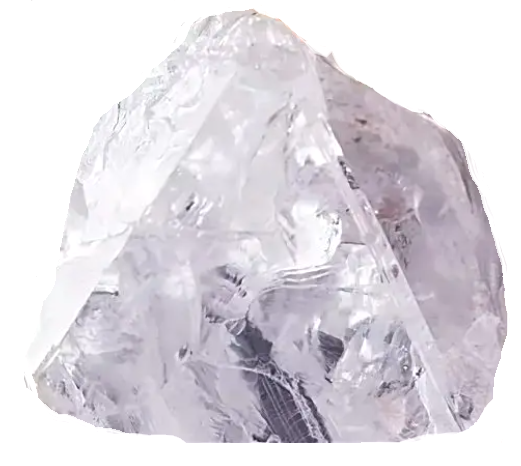
Black Diamond
The black variety of diamond (carbonado) became popular relatively recently; previously, such a mineral was considered waste accompanying the white reference crystals.
Today, its value has increased significantly due to demand. 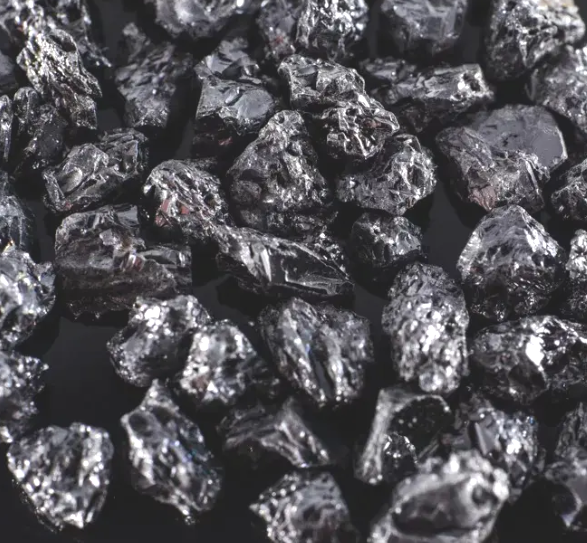
Red diamond
- Not every jeweler can boast of having seen a red diamond.
- The color of red and pink crystals is not caused by impurities - the shade depends on the plastic deformation of the stone during the growth process (according to gemologists).
- Not all treasure owners long to share their joy of acquiring jewelry. Therefore, information about diamonds with fabulous value is reluctantly leaked to the media.
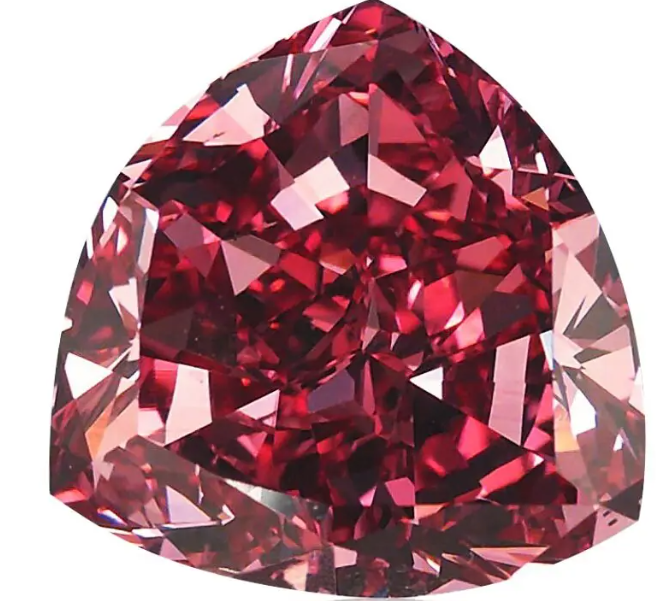
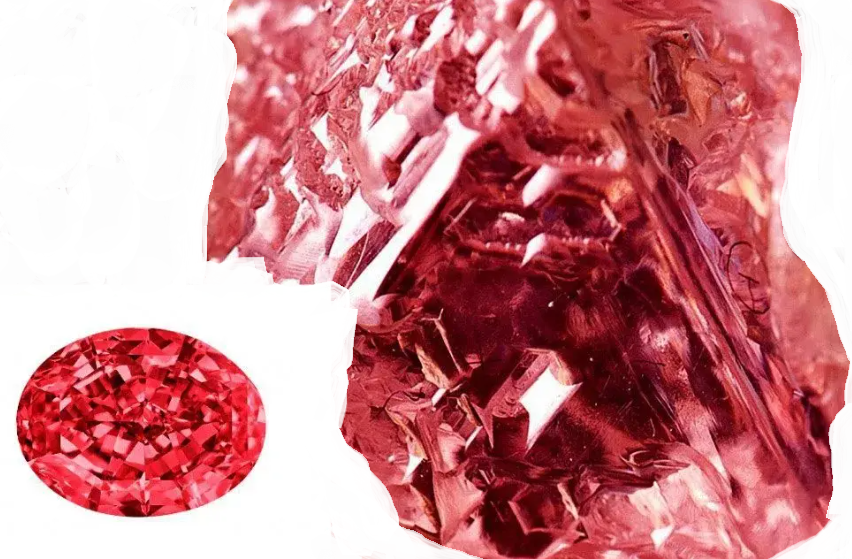
The largest red diamond, the Moussaieff. At the end of the last century, a 13.9-carat red diamond was found in Brazil. After being cut into a shield shape, the unique stone weighs 5.11 carats. A beautiful diamond of a rich cranberry hue cost 8 million dollars in 2001; experts now estimate it at 20 million dollars.
Purple diamond
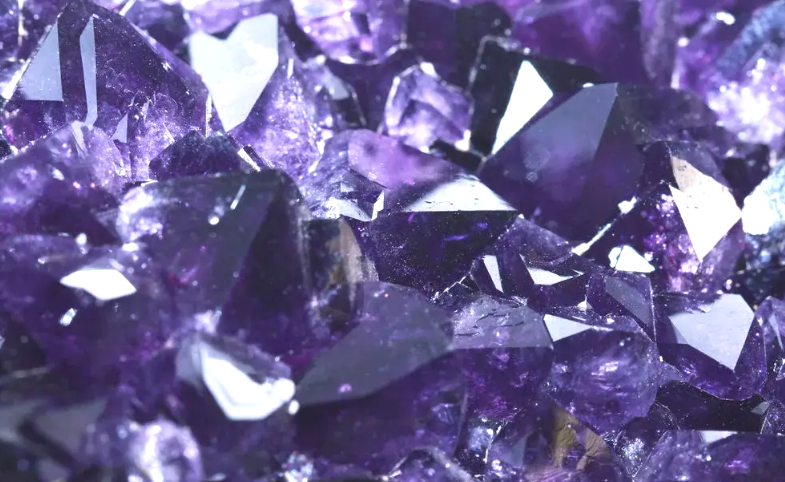
The rarest type, whose cost can range from several hundred thousand to millions of dollars. These stones are considered the property of the country that discovered them.
Pink diamond
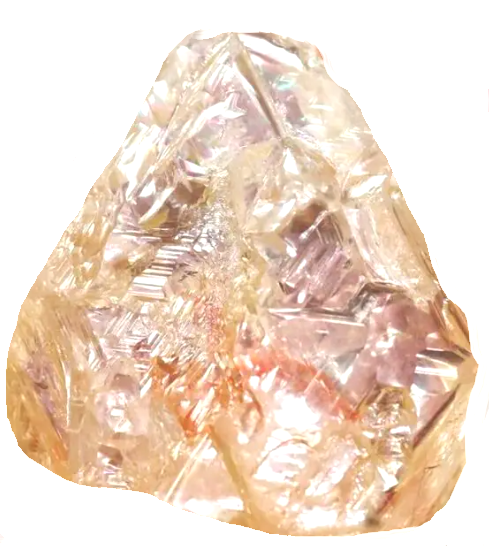
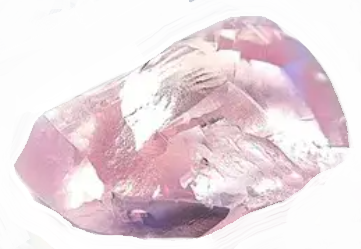
- Pink to red diamonds are found in the Argyle kimberlite pipe in Australia. Before the discovery of this pipe, pink rare minerals were considered the rarest. Flamingo-colored stones are sometimes found in Brazil and India.
- The pink color of the crystals often has additional shades: purple, gray, orange, brown.
- Such jewelry cannot be bought in stores; the place for selling gemstones is at auctions and diamond exchanges.
Other fantastic diamonds include blue, green, pink, yellow, orange, and bright blue stones. All of them are relatively rare in nature and are highly valued. Their price ranges from several hundred, thousand, or even tens of thousands of dollars per carat.
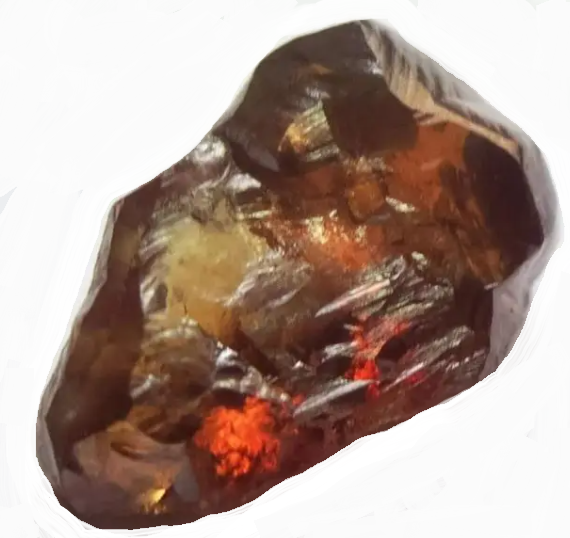
Brown diamond - Brown stones in a wide variety of shades are also available, from “champagne” to “chocolate”. Science still does not yet know how these gemstones form, which gives them even greater mystery.
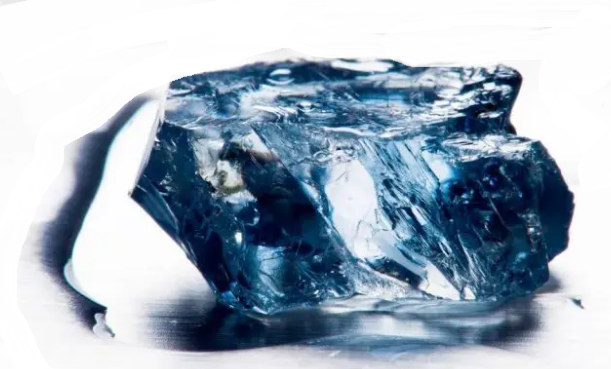
Blue diamond - Blue and light blue diamonds are divided into 2 categories.
- Boron gives one shade of the sky and the sea; these amazing stones have the property of conducting electric current - "hole conduction".
- The second type of stones does not contain boron; based on the results of spectrography, it was decided that hydrogen may give the color. There are refined stones that are colorful. Yellow diamonds can be used to create blue and blue diamonds - there are special technologies for this. However, for a layperson, it will not be possible to determine from any color characteristics whether it is a natural diamond or whether its noble features were acquired by a treated stone.
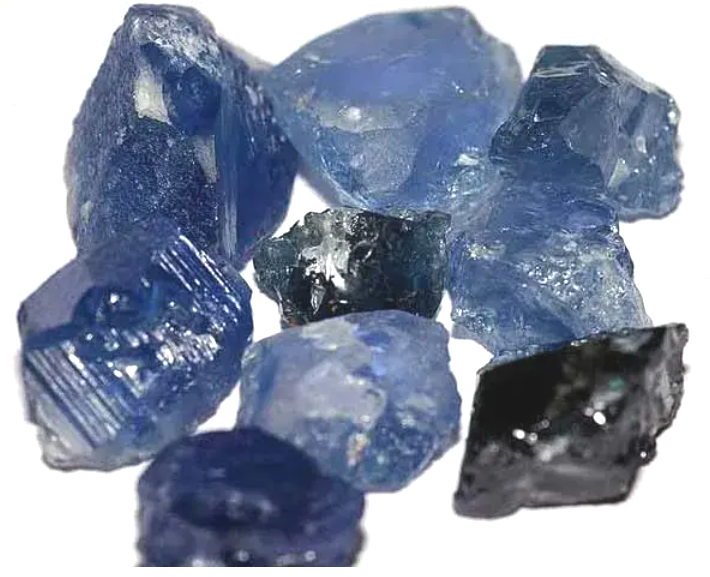
Blue diamond - A heavenly diamond stone - a drop of the sea or a piece of the sky
- Blue diamonds are rare and beautiful. There should be no gray color in the blueness of the stone.
- A rich and intense color will significantly increase the price that will need to be paid for the jewel.
- The chemistry of the stone is simple - the crystal gets the color of the sky thanks to boron.
Green diamond
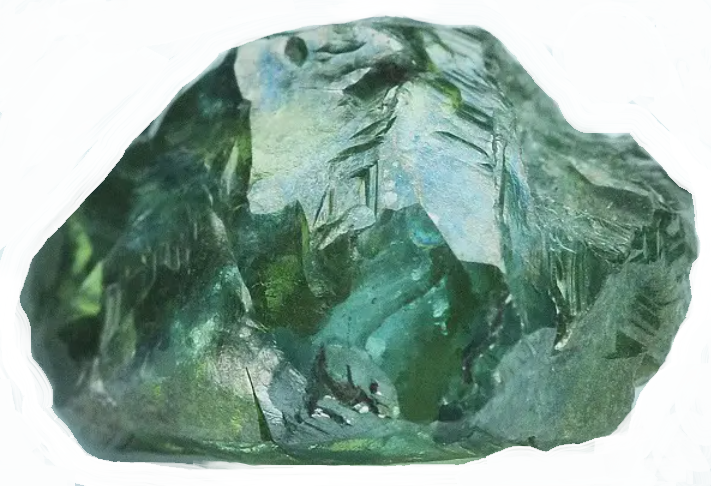
Green faceted crystals are the rarest among their kind, with a striking color.
- The color of the diamond is caused by radioactive radiation; under the influence of α and β particles, the diamond turns green, but not completely - it appears as if the stone is covered with green skin. This is caused by the low penetrating power of this type of radiation.
- Partial green pigmentation with irregular spots is possible. That is why many green diamonds are mined and only a few are cut.
- Samples that were exposed to prolonged gamma and neutron radiation during growth are characterized by high penetrating ability). These very rare stones have a rich green color.
- The largest green diamond is the Dresden Green, weighing 40.70 carats.
Natural diamond analogues
People began attempting counterfeit diamonds at the end of the XNUMXth century. century. Attempts did not stop until a synthetic diamond was obtained.
Fianit - Cubic zirconia is the “poor man’s diamond”.
- It also sparks and shines, but costs a hundred times less. The stone is synthetic, composed of zirconium oxide. First obtained at FIAN, from which it received its Russian name. It is also called zirconite. At first glance, it is difficult to distinguish cubic zirconia from a diamond.
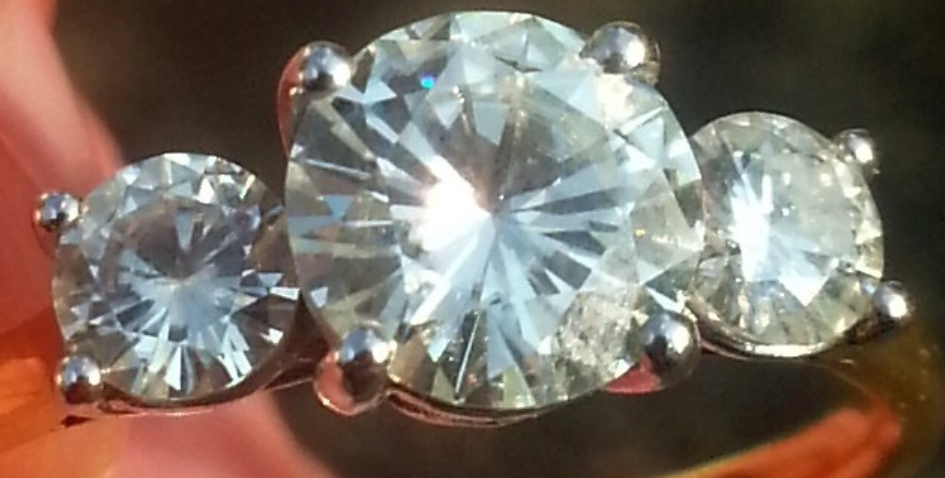
Moissanite
- It is so rare in nature that, with similar “brand promotion,” its price would be much higher than that of a diamond. Moissanites are produced artificially.
- The stone is so similar to a diamond because many of its properties are close to those of a diamond. Only an experienced gemologist can distinguish between minerals.
SITE
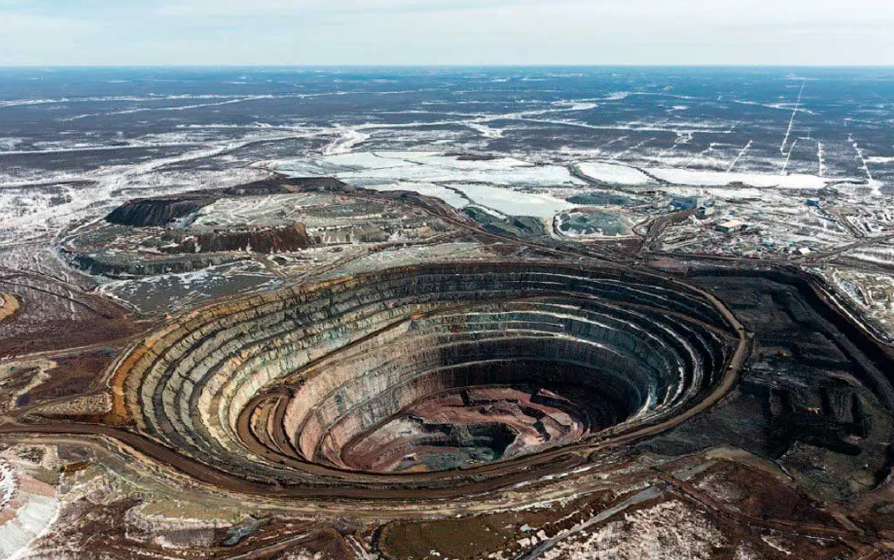
Diamonds are mined on every continent except Antarctica. The following regions are the richest in gemstones:
- India, especially the eastern part of the Deccan Highlands. It is the oldest gemstone mining area in the world, and its deposits are now seriously depleted.
- Brazil, the provinces of Minas Gerais and Bahia.
- South Africa, Cape Town and Namibia and Transvaal. The word “kimberlite” comes precisely from the name of the Kimberley area, where the most stones were found. Tens and hundreds of thousands of prospectors from all over the world dug the famous Big Hole and mined diamonds by hand day and night.
- The Urals and Yakutia, as well as Kazakhstan. The first diamond was discovered in Russia in July 1829. This event took place in the Perm province (Ural) at the Krestovozdvizhensky gold mine. The half-carat stone was found by 14-year-old serf peasant Pavel Popov, for which he was granted freedom. A little later, the teenager led members of Baron Humboldt's expedition to the same place, where they discovered several more small stones. At this moment, the enchanting place is called the “diamond key.” The richest Russian deposits are now located in Yakutia. At the end of 2019, the first diamond in the history of global mining was discovered here: “Matryoshka” — a gemstone inside which another smaller pebble moves freely.
Nearly three quarters of the world's stone production is controlled by the three largest corporations - ALROSA, De Veers and Rio Tinto. Production volume has been declining recently, prices are rising, which encourages many people to use synthetic, artificially grown stones.
In percentage terms, the production volume was distributed as follows:
- Russian company ALROSSA, which also develops mines in Botswana, Zimbabwe, and Angola - 28%.
- The South African company "De Beers", which carries out production in Tanzania, Namibia, South Africa, and Botswana - 20%.
- Australian-British mining company Rio Tinto - 13%.
- Canadian company Dominion Diamond - 6%.
- South African company Petra Diamonds - 3%.
- The remaining 30% of production volume is accounted for by all other diamond miners.
After cutting, the diamond may be reduced by half or threefold, but its price will increase by 3 or 4 times. It is often more advantageous to transform one natural diamond of the correct octahedral shape into 2 smaller diamonds.
HISTORY AND TRADITION
Diamond is the jewel of kings. She loves strong, sharp, and self-confident individuals.
It is important that the owner of the stone be a dignified and generous person in their own right - these are royal qualities. Then the diamond becomes his faithful helper, saves him from any evil (it can even detect poison in wine), helps him find love, etc. It has no clear specialization: it improves the wearer's life "across the entire front side."
- In ancient Rome and Greece, people believed that diamonds were the tears of the gods and fragments of falling stars. The Romans also believed that the arrowheads of the god Cupid were made precisely from sparkling diamonds, which apparently laid the foundation for associating diamonds with the theme of romantic love.
- Some diamonds are even more than 3 billion years old.
- Diamonds formed more than 150 km below the Earth's surface and reached the upper layers of the Earth thanks to subsurface volcanic eruptions.
- Diamonds are composed of only one chemical element, namely carbon. They formed beneath the Earth's surface at very high temperatures and under high pressure, which transformed black carbon into a unique and rare diamond structure.
- The word diamond is derived from the Greek word “adamas,” which means invincible and indestructible.
- Diamonds are the hardest natural mineral. The only thing that can scratch them is another diamond.
- Diamonds have been desired by humans throughout all of human history. This sparkling gemstone was already traded extensively in ancient India in the 4th century. century BC and the Roman naturalist Pliny wrote about diamonds in the 1st century AD expressed it as follows: “The diamond is not only the most precious gemstone, but also the most valuable thing in this world.”
- In ancient India, diamonds were also used by sculptors, who inserted pieces of this gemstone into the eyes of carved religious statues. The ancient Indians also believed that a diamond protects its wearer from danger.
- Many ancient cultures believed that diamonds brought strength and courage to their wearer, which was especially valued by warriors in battle. Some kings even had their armor covered with diamonds, which they wore into battle.
- In the Middle Ages, diamonds were attributed with a wide range of healing abilities, from treating fatigue and nausea to having a positive effect on mental illnesses.
- Diamond mining locations have changed significantly throughout history. Originally, the most significant country mining diamonds was India, approximately from the 15th century. century. Diamonds were also traded intensively throughout Europe during this period, for example in the merchant city of Venice. At 18. In that century, Brazil replaced India in the dominant position, where large sources of rare diamonds were discovered. In 19. South Africa emerged on the world stage in the century, and today diamonds are mined in a number of other places around the world, including Canada, Botswana, Namibia, and Russia.
- The largest diamond ever discovered is called Cullinan and weighs an incredible 3,106 carats, which corresponds to approximately 0.6 kilograms. This gigantic diamond was discovered in South Africa, and the owner of the mines, who was also a representative of the country at the time, presented this diamond to the English King Edward VII. Cullinan was eventually cut into 9 large diamonds and another 100 smaller diamonds. The three largest diamonds are on display in the Tower of London as part of the collection of the royal Crown Jewels.
- The first mention of a diamond engagement ring dates back to 1477, when Archduke Maximilian of Habsburg gave his bride-to-be, Mary of Burgundy, a gold ring with the letter M set with diamonds.
- Lab-created diamonds have the same chemical structure and physical properties as diamonds mined from the heart of nature. Even professional gemologists often cannot tell the difference between natural and laboratory-created diamonds without using an extensive range of specialized testing methods.
- And finally, the most amazing fact from the world of diamonds: In 2004, scientists discovered a planet that is roughly one-third composed of carbon transformed into diamond. The planet orbits a nearby star within the Milky Way and was named “55 Cancri e” (which, in our opinion, is not the most suitable name for such an exceptional planet). And perhaps an even more interesting discovery was made by other scientists, who found a star that is essentially a giant diamond weighing roughly 10 billion trillion trillion carats. The star was named Lucy after the Beatles song “Lucy in the Sky with Diamonds” (which is certainly a much better name).
THE MOST FAMOUS EXAMPLES
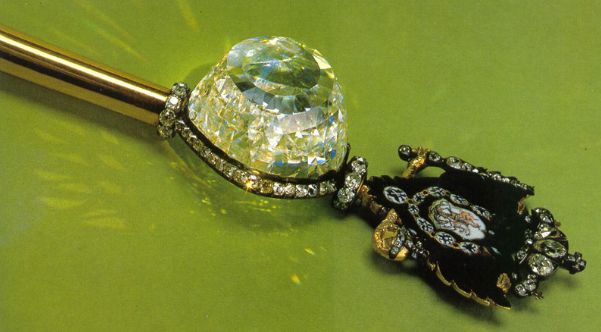
- The "Orlov" Diamond, the largest in the Kremlin collection. It served as the eye of a statue in one of the temples of southern India. It was stolen by a certain French adventurer who expressly embraced Hinduism and got a job as a novice in the temple in order to get close to the stone. A Frenchman sold the stone to Count Orlov in Russia, who presented it to Catherine the Great. The unique Indian cut gemstone became a true jewel of the imperial collection. “Orlov” boasts the scepter of Empress Catherine the Great.
- The “Sancy” Diamond was displayed on King Henry III’s beret. According to legend, the servant who was supposed to deliver the stone to the court was killed, but before his death he swallowed the stone so that the robbers would not get it. During the French Revolution, the jewel was lost, but later returned to the Louvre.
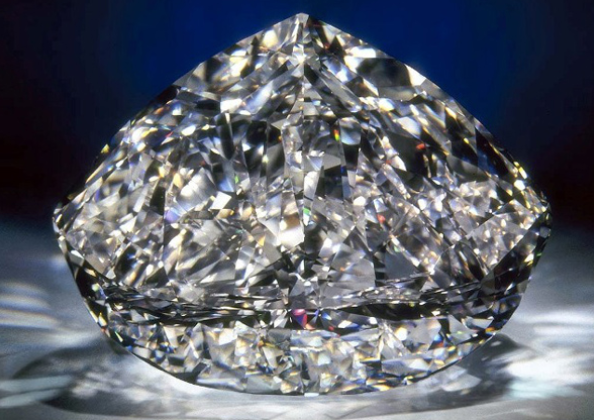
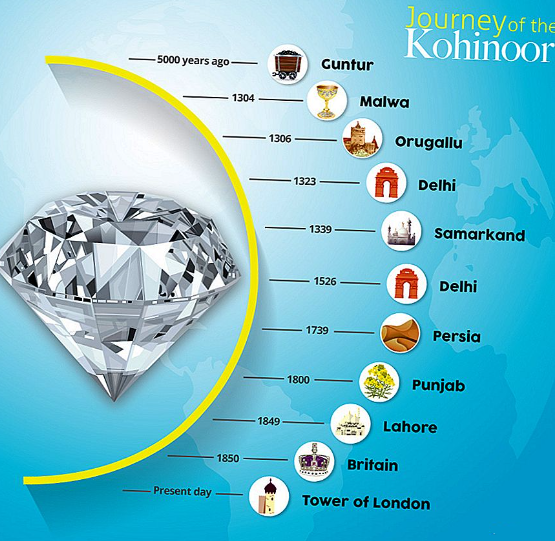
- The "Kohinoor" Diamond, or rather "Koh-i-Nur," meaning "mountain of light," was the principal treasure of the ruling Mughal dynasty in India. It brought luck to almost no one; almost all of its owners became victims of betrayal or intrigue. It once weighed nearly 800 carats; now it is just over 120. Since 1850, when the stone was presented to Queen Victoria, it has adorned the British Crown and is now worn by Elizabeth II.
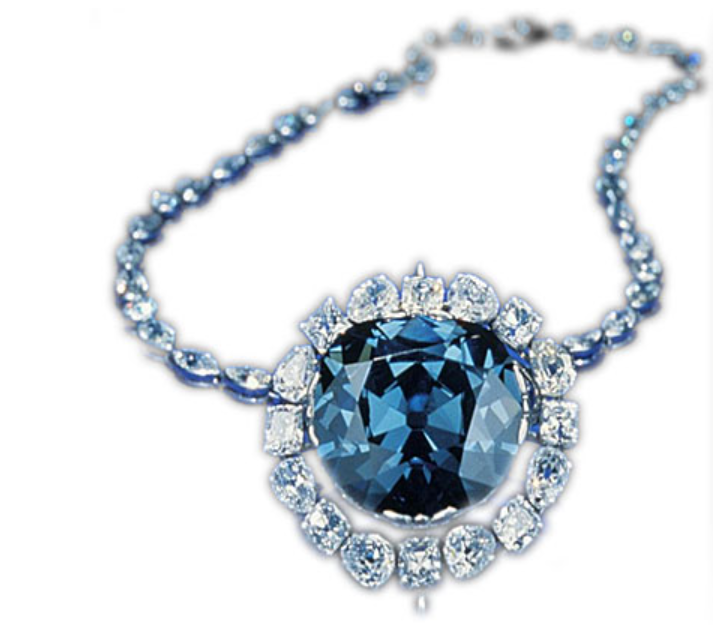
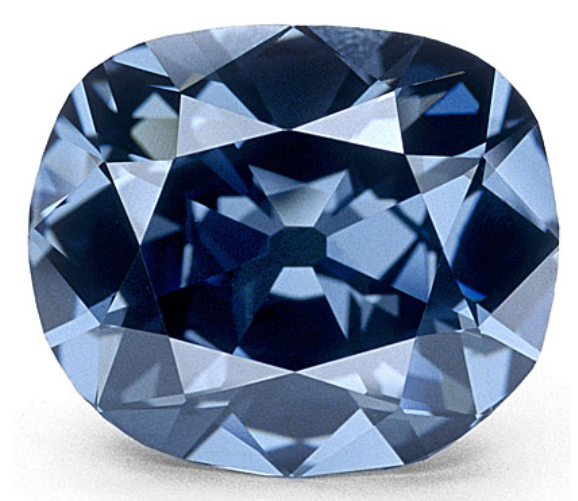
- Hope Diamond, named after the American banker who bought it in XNUMX. century, gained the fame of the damned. Almost nothing is known about its history - neither where it was mined nor which jeweler gave it its shape. There is a version in which this stone was used to adorn the statue of the Indian goddess Sita. The misfortunes that befell its owners were attributed to the wrath of the Indian deity or her husband, the mighty hero Rama (you can read about his deeds in the ancient Indian epic poem Ramayana). At present, the Smithsonian Institution, one of the largest in the United States, is taking over the “curse.” The stone is priced at three hundred and fifty million dollars; it may be the most expensive diamond in the world.
- Is the Hope Diamond considered a cursed stone? Whoever laid a hand on him ended very badly! The curse of its owners began in 1668, when Jean-Baptiste Tavernier was torn apart by dogs. Second owner Louis XVI and his wife Marie Antoinette lost their heads. It is already responsible for two murders, one descent into madness, a suicide, a bankruptcy, a divorce, and also a dethronement. This curse was only lifted by the American jeweler Harry Winston, who donated it as the foundation of the National Gem Collection.
- Regent's Diamond was discovered in 1698. The man who found it was killed by the captain of the guard, who then sold the treasure. This uniquely colored stone was worn by Marie Antoinette and Napoleon III. It is now on display in the Louvre.
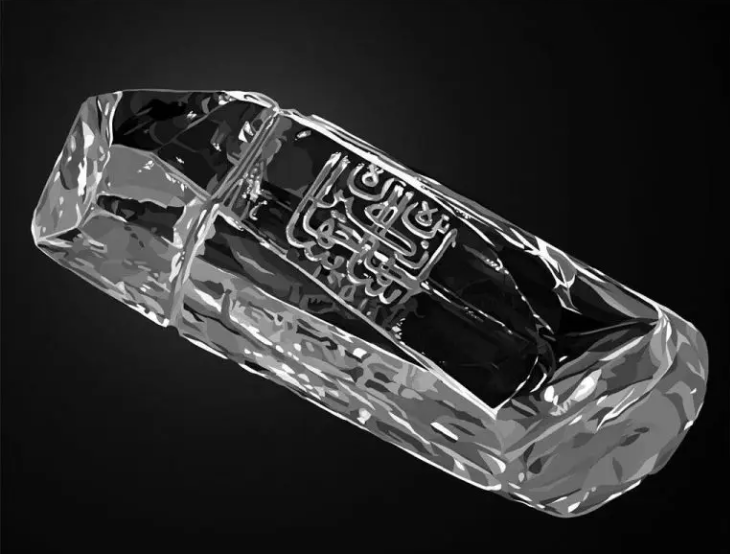
- The "Shah" Diamond was mined in the Golconda mines in the sixteenth century. It was worn as a talisman. The stone bears the engraved names of three powerful Indian rulers - Nizam Shah, Shah Jahan, and Fatah Ali, to whom it belonged. Then the diamond made its way to Persia and from there—to Russia. It was presented as compensation for the murder of Griboyedov.
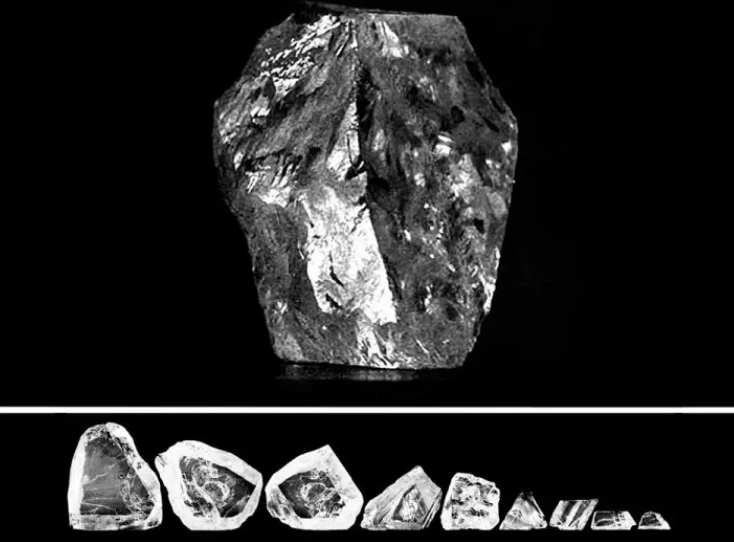
- Star of Africa", or “Cullinan”, is considered the largest gem in the world. This was discovered in South Africa in 1905. Two years later, the government of the Transvaal Colony presented it to King Edward VII. On his name day. According to legend, the jeweler who was ordered to break the stone into fragments (it was too large to be cut as a whole) fainted with excitement. Several pieces of jewelry for the royal family were made from fragments of the Cullinan.
- The first large diamond, which originally adorned the belt of an indigenous magician, weighed 83.5 carats and was called the Star of South Africa. One of the Dutch settlers traded him for a few head of cattle and promptly sold him for 11,200 pounds. It was this very stone that started the year. The greatest diamond rush in history in 1876.
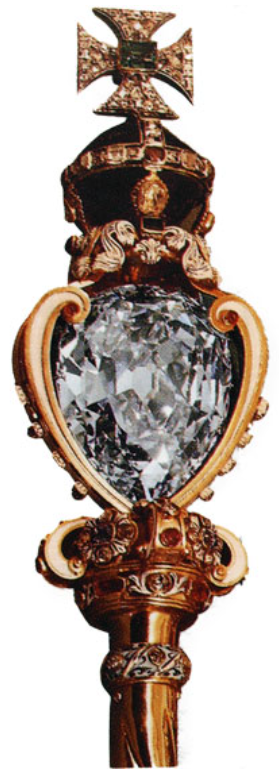
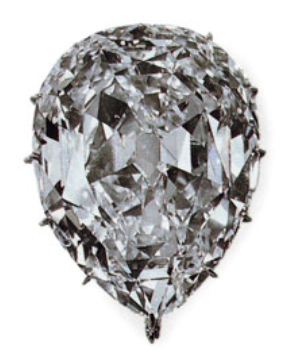
- With its 530.20 carats Cullinan I. - The Star of Africa is the largest cut diamond in the world. The diamond has a pear-shaped form with 74 facets; it is set in the royal scepter (it is part of the royal coronation regalia and, together with them, is kept in the Tower of London). It was cut from the 3,106-carat Cullinan diamond, the largest diamond crystal ever found. Cullinan was discovered in the Transvaal in South Africa in 1905 during an inspection tour of the Premier Mine.
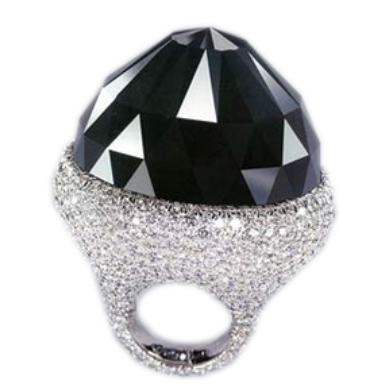
- Spirit of de Grisogono - Spirit of de Grisogono, with its 312.The 24th largest black cut diamond in the world. In the picture, it is set in white gold with 702 white diamonds that themselves weigh an additional 36.69 carats. The original stone weighed 587 carats and was found several decades ago in Central Africa. It was named after the famous Swiss jeweler.
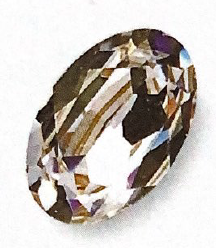
It is unlikely that you could ever buy one of these famous stones. Don't despair: jewelers often make copies of them. The material for them is usually Herkimer diamond, better known as crystal. Technically, this mineral belongs to quartz, not diamonds, but it looks almost indistinguishable and is well suited for processing.
Diamond is almost the hardest known natural mineral and one of the hardest substances of all (harder are, for example,fullerite, rhombohedral modification of diamond or nanocrystalline form of diamond – ADNR).The most popular cut for use in jewelry is the one called brilliant.
Striations are often developed on the diamond, the faces are sometimes etched and then appear matte. Diamond is the only gemstone that occurs in all color variations, but it is most commonly white. It is usually gray, opaque bort, carbonado, colorless, perfectly cleavable according to the octahedron.
The weight of diamonds is given in carats.Diamonds in commonly sold jewelry usually have a weight in hundredths, tenths, or whole carats.
The color of a diamond may be caused by a chemical impurity or structural defects in the crystal lattice. The saturation and hue color can both increase and decrease the price of a diamond. For example, clear diamonds with a yellow or brown tint are usually cheaper, while pink, red, vivid yellow, or blue diamonds (such as the Hope Diamond) are highly valued. This is also why the color of diamonds is sometimes artificially altered using physical processes such as irradiation or annealing under high pressure and temperature. Another modification (improvement) of color is the bleaching of diamonds. All diamond color treatments are intended to increase the value of the diamond. Diamonds with treated color must be labeled as treated.
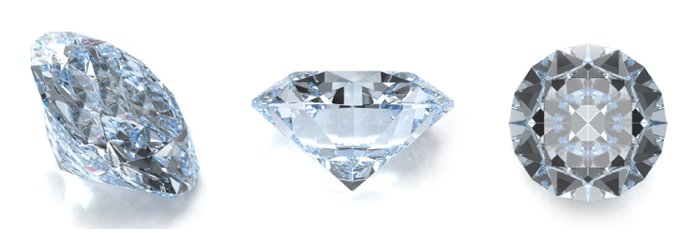
Diamond cutting is both an art and a science of how to create a gemstone from a rough diamond.Diamond cut describes the way a rough stone was cut and polished into its final gemstone form. It is often confused with the brilliant cut shape. Diamond cutting techniques have been improved for hundreds of years. One of the main contributors to the modern cut is the mathematician and gemstone enthusiast Marcel Tolkowsky, who in 1919 perfected the round brilliant cut by calculating the ideal shape for maximum light return and color dispersion. A modern round brilliant has at least 57 facets (polished surfaces).
Currently, most smaller diamonds are cut in India and Russia, where labor is inexpensive. Most operations involved in polishing smaller diamonds are more or less automated.
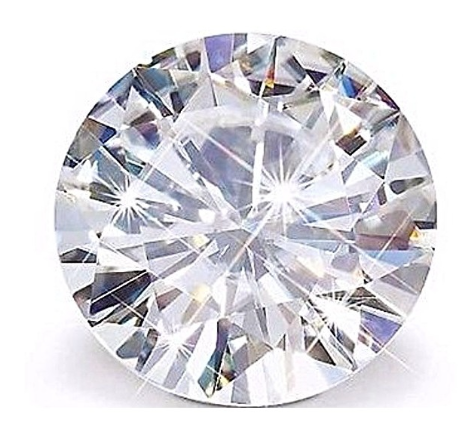
By polishing facets, a masterpiece is created: a sparkling diamond. A typical round brilliant has a total of 57 facets, or faces: the table (the large facet in the center), 32 facets on the crown (the upper part of the brilliant), and 24 facets in the pavilion (the lower part of the brilliant ending in a point). During grinding, it loses more than half of its original weight. Nowadays, diamonds are processed primarily using modern methods; for example, lasers are used when cutting and shaping the stone. However, for the final stage of shaping the diamond and cutting it into a magnificent shiny gem, human work and skill remain irreplaceable.
Its most valuable property is the ability to split light into spectral components and thus reflect colorful glints. This property is achieved by the cutter when shaping a rough diamond into one of the precisely calculated diamond cuts.
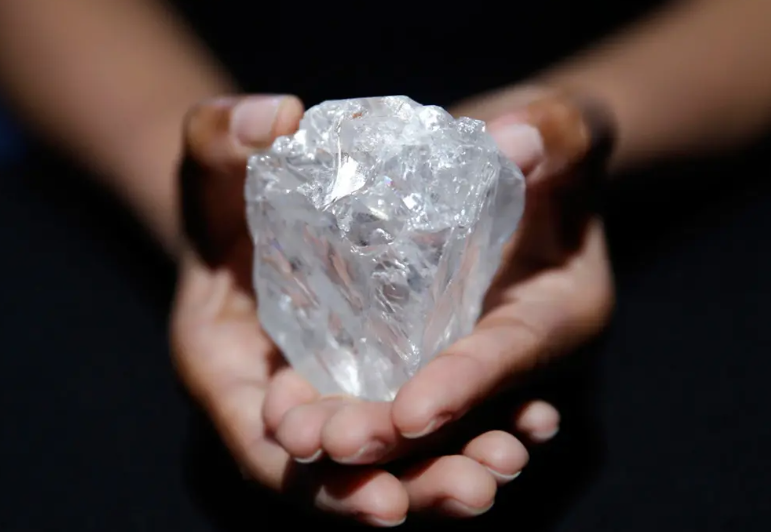
15 minutes ago.Until the century, only raw uncut gemstones were used in diamond jewelry; people did not yet know how to work this hardest mineral. Diamonds first began to be cut during the 15th century.century, when the Belgian Lodewijck van Bercken discovered a way to cut a rough diamond – only with another diamond. The most commonly used cut today is the brilliant cut. A rough and unpolished diamond looks like a piece of glass.
DEFINITION OF AUTHENTICITY
There are several ways to distinguish natural diamonds from their imitations:
- Walk through the glass. A real diamond will cut it, but other cheaper gemstones will also scratch it. Therefore, this method is well known, but not very effective.
- Drag the diamond with the fat. A clear continuous line will remain on the diamond, while on fakes only a barely noticeable dotted line.
- Check the thermal conductivity using a special probe - for diamonds it is very high, so the sensor will detect significant heat loss within 2-3 seconds.
- Breathe on the stone: a specimen born of nature will not fog up, while a small amount of condensation will appear on artificial analogues.
- Immerse the gemstone (if it has no edges) in a glass of clean water. The real stone becomes invisible.
- Check the gemstone for fluorescence by illuminating it with an ultraviolet lamp. The original will emit a bluish light even after the lamp is switched off.