
/search_thin.svg)

/user.svg)
/cart.svg)
E-mail: info@energetickekameny.czTelefon: +420 606 647 298
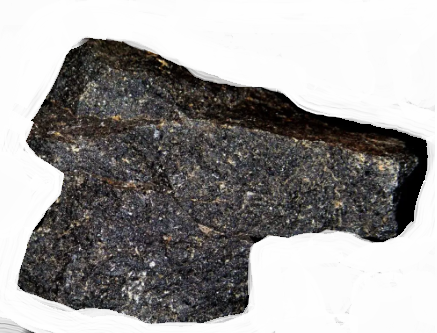
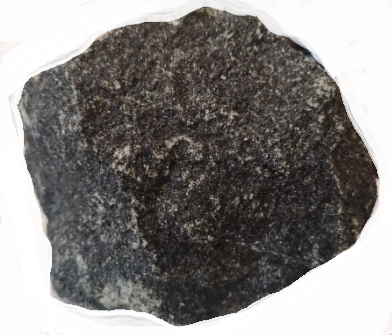
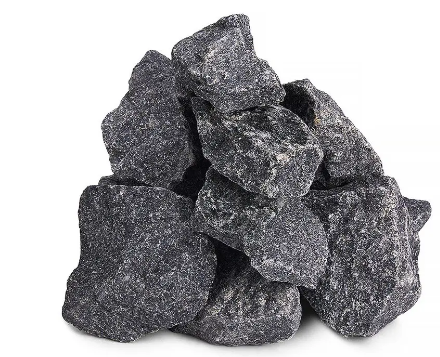
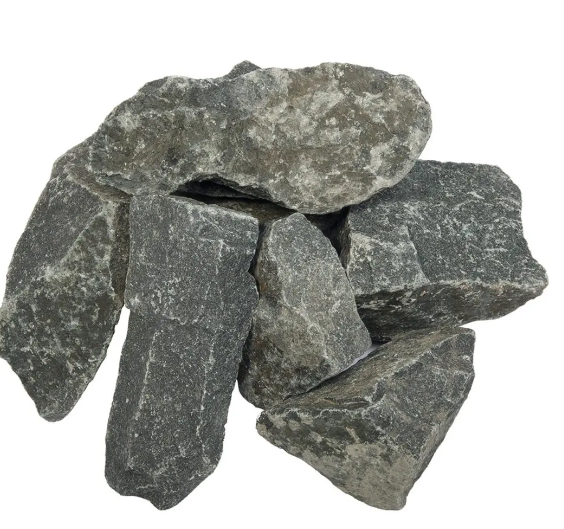
DIABASE / DOLERITE, harmony of space – stability – grounding – calm
DIABASE STONE ABILITIES, STRENGTHENS - PROTECTS - GUIDES
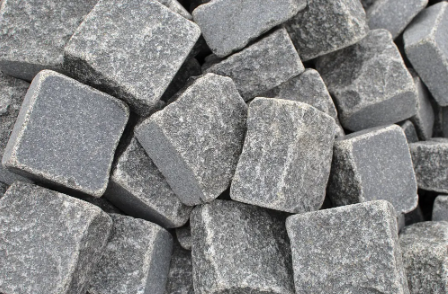
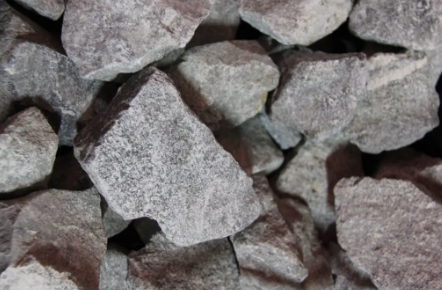
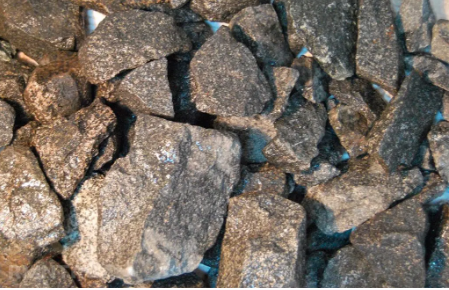
- supports the owner when starting a new project, helping them overcome the difficulties of the initial period
- shows the right path out of a critical situation
- creates a pleasant microclimate in the family and work team
- helps support stagnating businesses
- protects the owner from negativity coming from ill-wishers, energy vampires, and envious people
- strengthens the performance of its owner
- helps the owner avoid making mistakes in a difficult situation
People who take an active approach to life can gain the support of this mineral.
Passive and lazy individuals cannot count on the help of the stone.HEALTH EFFECTS
To improve the health of the house’s residents, it is enough to place an untreated block of diabase or several figurines made from this mineral in it.
- normalizes blood pressure
- strengthens the nervous system.
- improves vascular permeability.
- WELLNESS all systems of the human body. For this purpose, massage of the Zakharyin-Ged zones, performed with a diabase ball, works well. To speed up the treatment of the organs of the genitourinary system, the patient is advised to hold green diabase in their hands from time to time and bring it into close tactile contact.
- treatment superficial hyperalgesia (a painful sensation in certain areas of the skin arising without any mechanical irritation), accompanying some diseases of the peripheral nervous system. In this case, multicolored diabases are used, crushed into powder and mixed with a massage cream, which is then used to rub the sore area.
- local therapeutic warming of problem areas. Flat diabase pegs with rounded edges, which accumulate heat well and gradually release thermal energy, are excellent for such procedures.
ZODIAC SIGNS
Diabase is focused not so much on specific zodiac signs as on people’s personal qualities; it is equally suitable for representatives of all zodiac constellations, but on one condition: they must be efficient and active.
- Lazy and apathetic individuals cannot count on the support of the stone.
- The only exception to this rule is people born under the sign of Scorpio, who enjoy the mineral’s special favor. Black diabase will be an ideal talisman for them, capable of ensuring success in all endeavors.
TALISMANS AND SPELLS
For the magical properties of the diabase talisman to be fully revealed, it should be worn properly:
- If the owner of the stone has something new and unknown, any business in which they have no experience, they should wear the mineral around their neck. The magical power of the stone will help its owner succeed in any endeavor (for example, when attending an important interview or starting a new business).
- With the aim of gaining the support of influential people.After securing participation in any project, obtaining sponsorship, a loan, or a grant, it is necessary to wear diabase on the left side of the body. Likewise, the talisman should be worn by people who need qualified advice from a real estate agent or a lawyer.
- Placing an amulet or talisman made of diabase on the right side of the body is recommended for those who want to quickly resolve long-standing problems, as well as for those who find themselves in a critical or risky situation (for example, employees of a company on the verge of collapse or people who are about to take part in a court case).
DEPOSITS
- Numerous diabase deposits, available on all continents, vary in size (the thickness of lenses and layers of this mineral can range from tens of centimeters to several hundred meters) and in the value of the extracted raw materials.
- For example, Karelian black diabases are valued much more highly than the greenish-gray rock quarried in Crimean quarries. The quality of Australian diabases is identical to the properties of Karelian stones, but they are three times more expensive than the latter.
Largest deposits:
- Brazil, Great Britain, Argentina, Finland, India, Russia (the main suppliers of the mineral are: Crimea, the Urals, Karelia, Altai, and Eastern Siberia).
Diabase extraction is carried out using gentle methods that maximize the preservation of the stones' integrity.
HISTORY AND TRADITION
Diabase is one of the oldest volcanic rocks, naturally occurring in the form of granular masses or, rarely, crystals. This unusually strong and beautiful mineral was appreciated by stonemasons, builders, and lovers of Russian steam baths.
- Diabase, extracted from sedimentary rocks, is of volcanic origin and its history dates back hundreds of millions of years. The explored reserves of this rock on a global scale amount to millions of cubic meters, and the thickness of the layers ranges from several tens of centimeters to hundreds of meters.
- Massive blocks of gabbro-diabase rock, which perfectly accumulate heat and are not afraid of sudden temperature changes when in contact with cold water, have been used by the people of Russia as sauna stones since time immemorial.
- Crimean diabase was used for the construction and cladding of the Vorontsov Palace, which is located in the city of Alupka (Crimea).
- Red Square in Moscow was paved in 1930 with paving stones made of Karelian diabase, quarried on the shore of Lake Onega. In 1974, during the reconstruction of Red Square, the paving stones were completely renewed and laid on a concrete base. The new paving stone was made of gabbro-diabase.
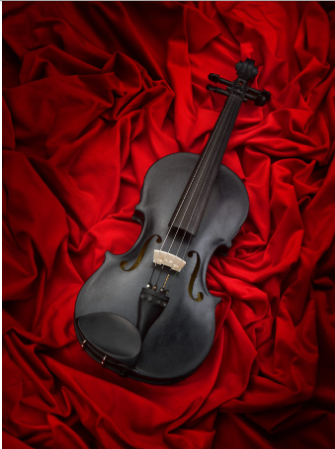
The only full-size diabase violin in the world was created by the Swedish sculptor and artist Lars Wiedenfalk based on sketches by Antonio Stradivari. The stone instrument, called Blackbird (partly because of the color of the violin and partly in homage to the tradition according to which Stradivari named his instruments after songbirds), sounds just as good as its wooden counterparts.
Wiedenfalk noticed that when diabase is struck with a chisel and hammer, it produces a melodic sound, so he decided to turn it into a full-fledged musical instrument. As material for the violin, the sculptor used an old tombstone from his grandfather's grave, which remained after the restoration of the family burial site. Work on the tool lasted 2 years. Inside, it is covered with gilding; the stand is made from the bone of a Siberian mammoth. The Stone Violin received the Pope's blessing, and the music for it was specially composed by the Swedish composer Sven-David Sandström.
Even members of royal families come to listen to the sound of this amazing instrument.The violin weighs only 2 kg because the thickness of its wall does not exceed 2.5 mm. The idea for creating the tool originated in Wiedenfalce in 1990, when the concert hall in Oslo was clad with black diabase blocks.
Additional facts:
- The inner circle of the world-famous iconic structure Stonehenge, located in the English county of Wiltshire, consists of multi-ton dolerite blocks, skillfully worked by the hands of ancient stonemasons.
- Dolerite was a favored material of Egyptian sculptors, who used it to create statues of pharaohs: most of the statues that have come down to us, displayed in many museums around the world, are made of this mineral.
In specialized literature, diabase is often referred to as:
- dolerite
- altered fully crystalline basalt
- fully crystalline basalt with ophitic structure
WHAT IS IT ACTUALLY?
- Diabase stone is a hypabyssal rock formed at a relatively shallow depth, occupying in its structure and conditions of occurrence an intermediate position between volcanic and deep-seated (abyssal) rocks of igneous origin.
- Diabases are granular crystalline rocks that are aggregates of augite and plagioclase.
- The mineral composition of various types of diabase may include additional minerals, for example: limonite, quartz, enstatite, hornblende, olivine, apatite, ilmenite, biotite, magnetite, calcite, serpentine, etc.
- Due to the similarity of its mineral composition, diabase is often considered a type of basalt; however, compared to basalt, its silicon dioxide content is relatively low and does not exceed 50%.
- The formation of thick layers of diabase—traps—from the point of view of mineralogists was caused by geological processes taking place in the depths of our planet, as a result of which volcanic magma in colossal volumes rose into the upper layers of the Earth's crust.
- One of the most significant traps, located in the territory of the Deccan Plateau (Hindustan), was formed, according to one version by scientists, as a result of volcanic lava being ejected onto the Earth's surface after its collision with a huge meteorite.
- Deposits of silver and copper are often found accompanying diabase deposits, as well as radioactive elements (thorium, uranium) and rare earth elements (niobium, titanium, tantalum).
PHYSICAL PROPERTIES
Diabase, which is an opaque, fully crystalline fine-grained rock, is very similar to basalt in its properties as well as its mineral and chemical composition.Natural diabase, which is not afraid of frost, intense heat, or sudden temperature changes, is characterized by:
- High compressive strength (up to 500 MPa). This characteristic of the stone has the greatest value. Granite - for comparison - has a strength of 90–250 MPa. Thanks to this property, diabase is able to withstand colossal loads (dynamic and static).
- Excellent frost resistance (up to 300 cycles), which allows the mineral to easily withstand the effects of abnormally low temperatures.
- Hardness (on the Mohs scale) exactly 7 points.
- Microhardness from 7 to 10 GPa.
- Abrasion which represents 0.07 g / cm2.
- High (2.79-3.3 g / cm3) density.
- Specific gravity approximately 3 g / cm3.
- Coefficient total porosity 0.8–12.
- Ophitic structure formed by chaotically arranged elongated plagioclase crystals, between which there are cavities filled with augite.
- Uneven break.
- Melting point, ranging between 1000–1250 degrees.
- Negligible coefficient of uniform thermal expansion when heated.
- Thermal conductivity in the range of 1.71-2.90 W / (m K).
- Heat capacity, in the amount of 783-929 J / (kg K).
- Low (no more than 0.1%) according to the level of water absorption. Stone practically does not absorb water.
- Specific radioactivity not exceeding 74 Bq / kg.
- Limited color gamut represented in black, green, and gray.
CHEMICAL COMPOSITION
The average chemical composition of diabase is as follows:
- 49% SiO2, 15.7% Al2О3, 9.3% CaO, 7.7% FeO, 5.9% MgO, 4% FeO3, 2.8% Na2O, 1.5% TiO2, 0.3% P2O5, 0.3% MnO, 0.9% K.2O.
The main diabase deposits are formed in areas with gentle bedding of mountain sedimentary rocks and in areas of accumulation of volcanic lava and tuffs:
- In the vast majority of cases, diabase rocks form intrusive (created as a result of the solidification of volcanic magma at a certain depth below the Earth's surface) geological bodies called dikes and sills. Their capacity may vary (from 2–3 to several hundred meters).
- Veins and layers of diabase quite often form at the bottom of seas and oceans.
- Diabases are sometimes used to form effusive geological bodies (they arise during the solidification of lava on the Earth's surface or near it): sheets and flows.
VARIETIES
According to the classification dividing diabase rocks into three large groups, diabases are:
- quartz;
- ordinary (not containing olivine);
- olivine (also called dolerites).
The most popular type of mineral - gabbro-diabase - is mined in large volumes in the USA, Great Britain, Ukraine, Australia, France, and Russia.
- Diamond cutting method, consisting of the use of special stone cutters equipped with diamond-coated wires. The ropes are guided through pre-drilled holes and, under continuous pulling by wire saw machines, blocks of the required size are cut out and then extracted by excavator.
- Drilling and blasting method, in which boreholes (narrow openings) are drilled into the rock, explosives are placed in them, and an explosion is carried out to obtain blocks of the maximum possible size.
- Hydraulic method, ensuring the use of a hydraulic wedge installation. Hydraulic wedges are inserted into pre-drilled holes, where under the pressure of hydraulic fluid they push the walls of the holes apart and split the monolithic layer into pieces.
As an unusually strong, hard, and durable material with a low coefficient of linear expansion during temperature fluctuations and capable of withstanding colossal static loads, diabase has found application:
Under construction: This is the main industry that consumes most of the raw materials.
- Diabase slabs and blocks are used for the construction and cladding of buildings, swimming pools, and fountains. This surface treatment gives them strength and monumentality.
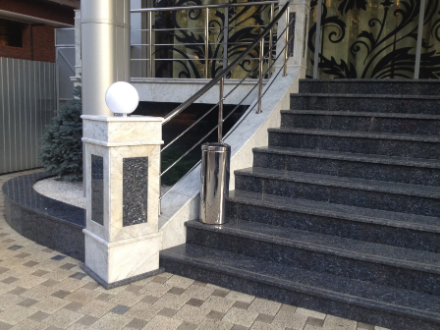
- In the interior of living spaces, diabase is used for the production of stair treads, window sills, slabs, shaped balusters, fireplace cladding, and wall cladding. Thanks to these details, the interior of the room gains sophistication and aristocracy.
- Diabase chips and crushed stone are used as a thermal insulating and reinforcing filler for building mixtures and concrete.
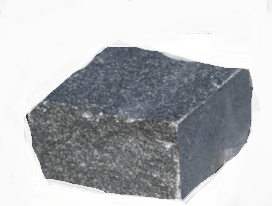
- Diabase is an excellent material for paving and surfacing urban areas. This is confirmed by the diabase paving stones that cover Red Square and have served well for 46 years already.
In applied art:
- Polished dark gray and black diabase is used to make small decorative items, photo frames, boxes, vases, candlesticks, writing accessories, and chess pieces. Any products made from this stone look magnificent and belong to the category of prestige gifts.
- Diabase is used to create highly artistic castings whose beauty is comparable to Kasli castings. In this respect, diabase is practically no inferior to cast iron and bronze. When strongly heated, the stone softens and fills the molten mold of the thinnest bends of the casting mold without losing its physical properties after cooling. After final polishing, cast products become particularly striking.
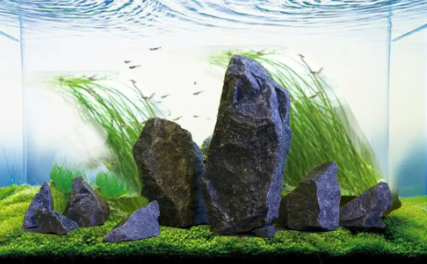
In the aquarium hobby. Soil made from gabbro-diabase, which does not contain easily soluble minerals and therefore does not release harmful substances into the water, can be used in an aquarium for planting aquatic plants and creating effective compositions.
As an ideal sauna stone: It heats up quickly, retains heat for a long time, and is not afraid of stove heat, steep boiling water, or sudden temperature changes. When selecting a sauna stone, it is necessary to prefer samples with a fine-grained structure, because they are the ones capable of withstanding the maximum number of heating and cooling cycles. All these requirements are met by Karelian gabbro-diabase: an environmentally and chemically safe mineral that has no contraindications.
As an ideal material (most often black gabbro-diabase), from which monuments and gravestones are made.
STONE CARE
Diabase care consists of regularly removing dirt with soapy water or a special cleaning product for marble or granite. To prevent the formation of chips, the cleaned surface of the stone is covered with wax. Thanks to this treatment, it acquires an enhanced appearance and stays clean longer.