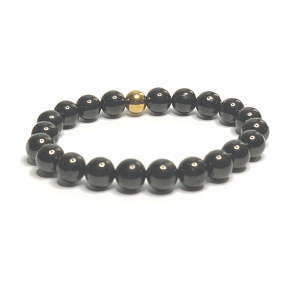
COAL THE ABILITY OF STONE, STRONG PROTECTION - DEMOLITION - REINSTATEMENT
black mineral full of life energy, support, harmony, and amazing strength from nature
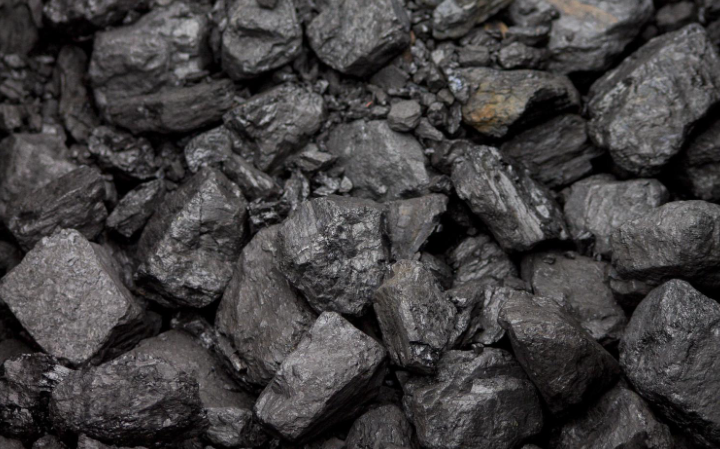
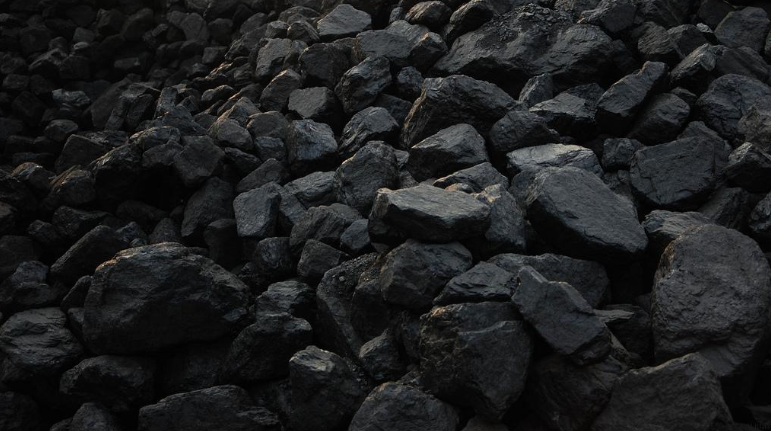
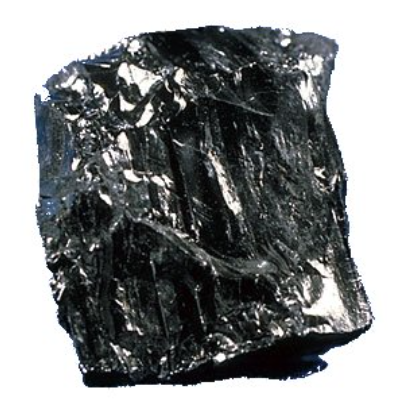
- protective mineral
- brings energy
- protects, calms
- cleanses, regenerates and heals
- absorbs impurities and chemicals
- helps rid your life of everything unnecessary or destructive
- helps in difficult situations
HEALTH EFFECTS
Charcoal has amazing healing properties; if I were ever stranded on a deserted island and could take only one thing with me to protect against illness, infections, and injuries, I would choose activated charcoal.
- relieves pain
- is very beneficial for compresses against fever and inflamed wounds
- reduces the symptoms of bloating and abdominal cramps associated with excessive production of intestinal gases
- provides relief in acute diarrheal conditions, binds bacteria that cause the problems, and carries them along with other impurities out of the intestines; a side effect is black discoloration
- in the acute treatment of specific types of poisoning (alcohol poisoning) and drug overdoses, to stop the poison from being absorbed through the stomach into the body
- for bowel movements, to prevent constipation, drink plenty of water with charcoal tablets
- helps reduce cholesterol levels
- makes the kidneys’ work easier because it captures toxins
- acts as an exfoliant
- absorbs excess sebum from the skin’s surface
- prevents acne, reduces blackheads
- has antibacterial, antiviral, antifungal, and antimicrobial properties
- works as a moisture regulator, absorbs sweat
- treats eczema, psoriasis, and dry cracked skin
- is a natural deodorant, disinfectant, and one of the best known absorbent and adsorbent agents
You may also know it as an ingredient in personal care products such as skin cleansers and face masks, which are intended to rid the skin of unsightly blackheads and other impurities. Another use of it is for teeth whitening, and it is also used in nutrition for its ability to bind harmful substances and remove them from the body.
Do not confuse it with animal charcoal.
CLEANING AND CHARGING
- clean briefly under a stream of lukewarm water, or overnight in a glass together with crystal quartz
- charge in direct sunlight
COLOR: Black, black-brown, bBlack, black-brown, brown
APPEARANCE: Matte or glossy, porous as well as smoothMatte or glossy, porous as well as smooth
LOCALITY: USA ,USA, China, Russia, Poland, Germany, Czechia, Australia, Colombia
INTERESTING FACTS - DID YOU KNOW? - 7 benefits of activated charcoal for our health
1. Reduction or elimination of gas
- Activated charcoal may be effective in reducing flatulence, especially after consuming foods such as legumes, which commonly produce excess gas. This may also alleviate stomach discomfort.However, it is worth emphasizing that activated charcoal should only be used occasionally to relieve these symptoms and should not be used every day.
2. Alcohol poisoning
- Activated charcoal does not adsorb alcohol, but it helps quickly remove other toxins from the body that contribute to poisoning. Alcohol is rarely consumed in its pure form. Contains artificial sweeteners and chemicals.Activated charcoal removes these toxins.
3. Reduces high cholesterol
- Studies around the world show that activated charcoal lowers bad cholesterol and raises good cholesterol just like some prescription medications.
4. Removes parasites
- Activated charcoal removes parasites and bacteria from the body. This includes bacteria that cause a stuffy nose as well as more invasive parasites.
5. Teeth whitening
- Charcoal shares many properties with toothpaste and can be used to whiten teeth and improve bad breath because it kills bacteria. Smoking, drinking coffee, tea, or red wine gradually affects the discoloration of our teeth. Activated charcoal will deal with this problem immediately. Many well-known people also use this “black trick” and know very well why.Not only does it whiten their teeth immediately, but it also does not damage tooth enamel.
- How to proceed? It is very simple. Crush the animal charcoal into a powder in a bowl. Apply a small amount of regular toothpaste to the toothbrush to make it easier to work with. Carefully apply the black powder to the toothpaste and brush your teeth thoroughly for at least one minute.Then rinse your mouth with water and, if necessary, finish cleaning with toothpaste. Repeat the whitening procedure at least once a week.
6. Hemoperfusion
- Activated charcoal plays a very important role in hemoperfusion, which is the process of removing blood from the body to cleanse it of toxins and then returning it back to the body.Removing toxins requires an adsorbent material, and polymer-coated activated carbon is used most often.Hemoperfusion is usually performed in patients with kidney failure and in patients undergoing liver transplantation.
7. Further use
- Activated charcoal helps remove bad breath by cleansing the mouth and digestive tract, relieves symptoms of nervous diarrhea, traveler’s diarrhea, colon cramps, digestive difficulties, and stomach ulcers. Activated charcoal is most effective when taken between meals, because food can reduce its effectiveness.
HISTORY AND TRADITION
Hippocrates, the Greek physician considered the father of natural remedies, used activated charcoal to treat many patients.
- Activated charcoal was called black magic for its color and healing abilities.
- The ancient Egyptians used activated charcoal just like the Indians.
- In many cultures, walking on hot coals is a powerful ritual for achieving personal and spiritual growth and often literally signifies a new beginning in life. Firewalking is one of the oldest known transformative rituals of humankind.
Coal (colloquially or dialectally also uhel) is a brown, black, or brown-black combustible rock. It is obtained by mining from surface or deep mines and is used as fuel. Coal is composed primarily of carbon, hydrogen, and oxygen, but it also contains other chemical elements, especially sulfur, and radioactive impurities (uranium and thorium). Since the Industrial Revolution, coal has primarily been an important energy resource. A large part of the world's electricity generation (40%) uses coal combustion, which takes place in conventional coal-fired, or rather thermal, power plants. In addition to generating electrical energy, coal is also used for heating and water heating (production of process heat), and coal is also a very valuable primary raw material for many branches of the chemical industry.
For consumers, the bulk density of loose coal upon delivery is of interest, ranging from approximately 720 kg (brown coal) to 750 kg (hard coal) per 1 m3.
Scientific research on activated carbon began in the year 1785, when Lowitz discovered its absorption of dissolved substances. At 17. In the century, they began to study it scientifically and found that it can protect the skin from harmful external and internal factors. At the beginning of the 20th century, absorption mechanisms were mathematically described in various scientific publications and its broad-spectrum use began.
Activated charcoal has climbed to the top spot among the trendy ingredients of the cosmetics industry. This ingredient has been used since ancient times in multiple fields, but most notably in healing.
- Small amounts of activated charcoal were given to his patients by Hippocrates, the father of medicine, as early as 2,500 years ago. Activated charcoal was called black magic for its color and healing properties.
- The ancient Egyptians used activated charcoal just like the Indians, but the Egyptians already knew their stuff back then. It was used not only internally, but also for skin treatment during beauty procedures and for cleaning wounds
What is activated charcoal?
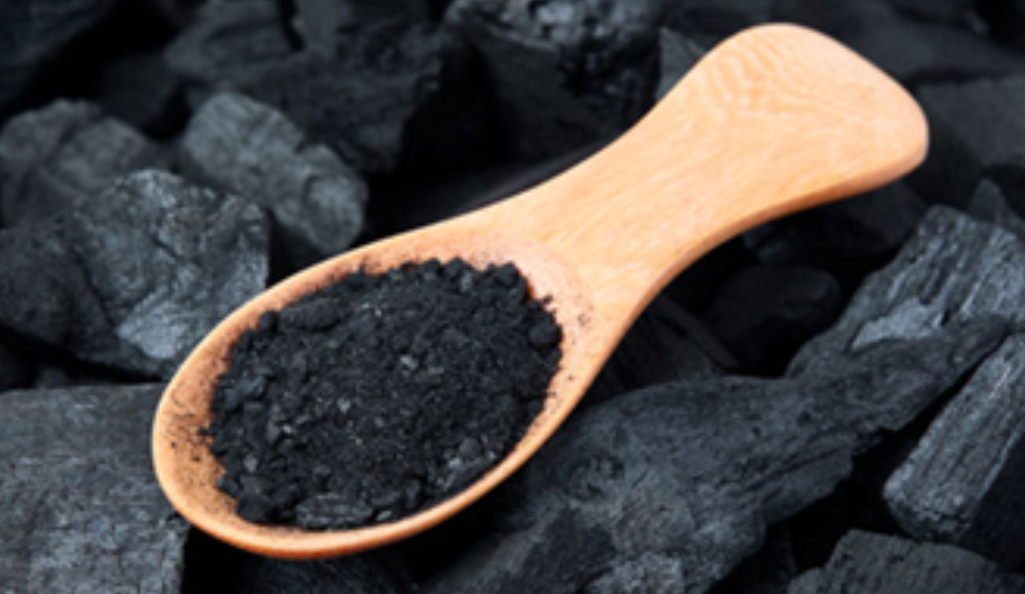
- Activated carbon is usually made from coconut shells, wood, or peat. It is called activated thanks to an additional process it undergoes, during which it is exposed to certain gases at very high temperatures.This causes the formation of a large number of very small pores on the surface of the carbon, which act as microscopic traps for capturing compounds and particles.
- Previously, the so-called was also used. animal charcoal, which is an almost identical product and is incorrectly referred to as a synonym, but it was produced by burning animal bones at high temperatures without the presence of oxygen and works on the principle of absorption, not adsorption.Its role as one of the most widely used and safest medicines used against diarrhea has been taken over by activated charcoal.
How is black coal formed?
Coal is a porous material with a sponge-like structure, characterized by a large active surface with a high capacity to absorb a wide spectrum of micro- and macromolecular substances. However, it is necessary to keep in mind what it may arise from! We distinguish between animal and plant-based activated carbon. Animal charcoal is, of course, produced by burning animal bones, while plant-based charcoal is obtained from wood, coconut shells, peat, or coal. Animal charcoal is no longer produced, and today medicinal charcoal made from carbonized plant material is used.
The input materials carbonize first, but this process creates only very small pores. Unstable substances (hydrogen, oxygen, nitrogen, sulfur, etc.) are removed from the active porous system in the process.).The positive properties of charcoal are multiplied by the action of hot steam. At temperatures ranging from 900 to 1,100 °C, tar products deposited in the finely porous carbon are also released simultaneously. This will release and make accessible an extensive carbon skeleton. Subsequently, an oxidative chemical reaction occurs between carbon and water on the internal surfaces of the carbon, which also removes carbon from the pore walls: 2 C + 3 H 2 O → CO + CO 2 + 3 H 2
And that is not all! The pore size can be "tailor-made" according to the type of application by changing the temperature, steam exposure time, etc. No wonder, nearly 250,000 tons of activated carbon are produced worldwide each year.

/search_thin.svg)

/user.svg)
/cart.svg)

/heart.svg)
/compare.svg)