
/search_thin.svg)

/user.svg)
/cart.svg)
E-mail: info@energetickekameny.czTelefon: +420 606 647 298
GALIOTIS / HALIOTIS / RED ABALONE, luck – harmony of the home – peace – protection
GALIOTIS / HELIOTIS / RED ABALONE, STONE PROPERTIES, LUCK - OPTIMISM - INTUITION - FAMILY
A stone of organic origin that is the shell of a gastropod mollusk from the Haliotidae family. These organisms act as the “parents” of large sea pearls, and their shells are an amazing iridescent creation of nature. For more than two thousand years in a row, people have been using the healing and magical properties of the ocean’s mother-of-pearl gifts.
The magical kaleidoscope of shades of ears could not have attracted the magicians of antiquity. And for more than two thousand years in a row, paua shells have been considered a magical object.
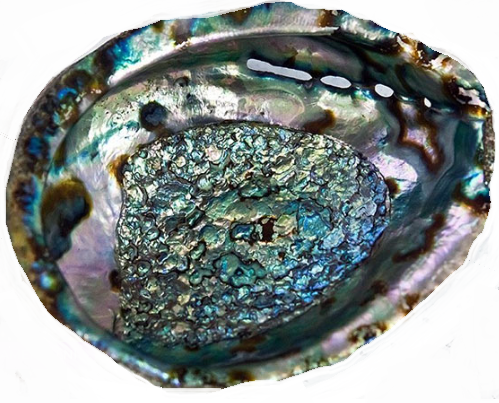
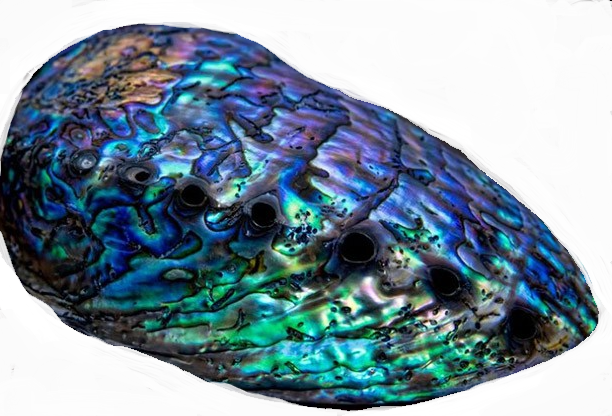
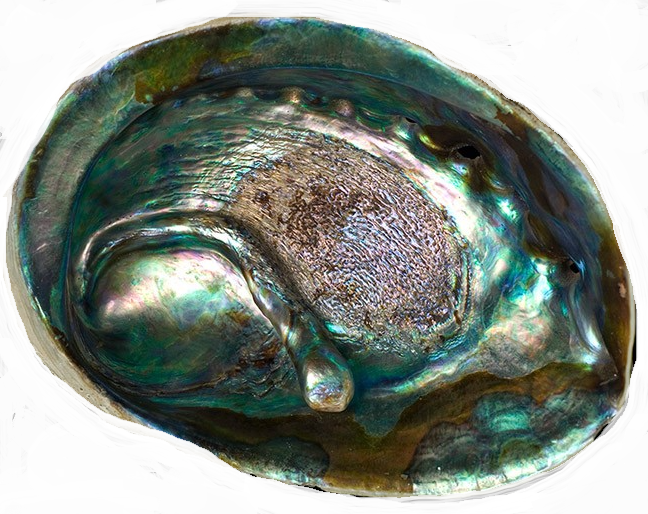
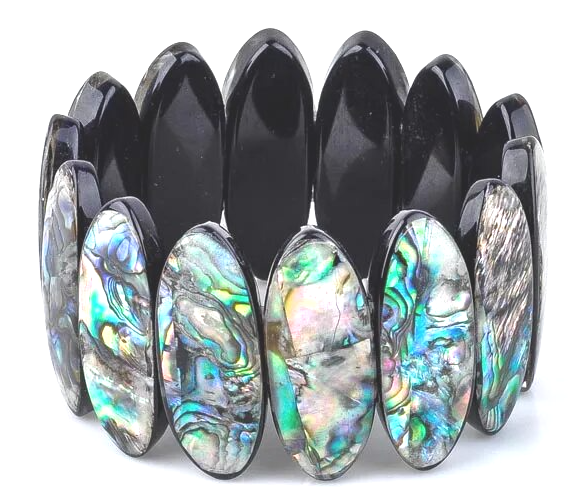
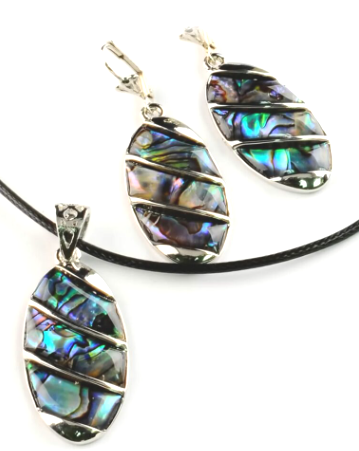
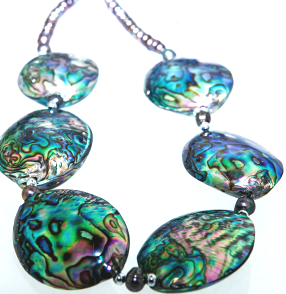
It is known that haliotis:
- attracts good luck,
- helps draw attention to the owner of the gemstone and also create mutual trust between people,
- repels pessimism and impure thoughts;
- serves as a family amulet that protects marriage from separation or adultery,
- brings a long and happy family life
- develops intuition and a person's mental abilities,
- protects during a long journey,
Galiotis has a beneficial effect on the "weather in the home.Since ancient times, all items with these shells have been considered the finest and kindest gift. Such a talisman extinguishes manifestations of negativity and maintains harmonious relationships among all family members.
HEALTH EFFECTS
Galiotis absorbed all the healing possibilities of the pearl oyster. And Western and Eastern cultures attribute their own unique qualities to abalone shells. The gemstone is believed to help cope with chronic illnesses. Powder made from Haliotis is used to treat diseases, as are all kinds of products made from these shells.
The use of agaliotis is versatile:
- People suffering from hearing loss are advised to wear shell earrings.
- For respiratory illnesses, wearing a necklace or beads helps.
- To defeat pediculosis and dandruff, as well as to strengthen hair, a shell comb will help
- Shell powder is used to rejuvenate the skin and remove age spots or freckles.
In ancient times, ground mother-of-pearl was used as an antiseptic for wounds. Haliotis was also considered a main ingredient of longevity elixirs. Even modern inhabitants of countries where these mollusks live add powder from paua shells to food and drinks. It is assumed that in this way the body is cleansed, the immune system is strengthened, and the body retains its youth and beauty for longer. There is also an opinion that dishes made from agaliotis improve the quality of products.
CLEANING AND CHARGING
Despite its high strength compared to other types of mother-of-pearl, haliotis requires simple but gentle care:
- Avoid contact of the mother-of-pearl with cosmetics, otherwise the shell will lose its natural charm.
- Protect the products from mechanical damage.
- Store jewelry separately, preferably in a fabric pouch.
- Use warm water and a soft cloth for cleaning, no chemicals.
The most important rule for earplug safety is regular wear. This gemstone is a gift from the depths of the ocean, so it needs moisture. The more often haliotis touches the human body, the more moisture it draws from this contact. If decorative items are made of colored shells, these items must be sprayed with water regularly.
- Shells can be used as part of a ritual ceremony or for the energetic cleansing of a house or other space. They are used when burning white sage, palo santo, and other incense.
- During smudging, lit incense is placed on them, or the incense can be extinguished against the shell. We recommend pouring a layer of fine sand into the shell so that it does not overheat and crack.
- Shells will add the energy of water and the sea to the ritual. We recommend using a bird feather during smudging to disperse or direct the smoke, which in the ritual represents the element of air.
USE
When purchasing jewelry made from ears, you should listen to your inner voice – an invisible connection should be established with this miracle of nature.
ZODIAC SIGNS
Astrologers recommend amulets to creative individuals, as well as to people involved in charitable work. Regardless of astrological affiliation, shell products will bring peace and happiness to every home. And any item with a shell will be an excellent gift for newlyweds, as a guarantee of a long and happy family life.
Astrologers are unanimous in the opinion that galiotis is a universal patron. Each of the zodiac signs will feel the energy of the deep sea. In some constellations, however, this pearl mussel becomes native.
- Fish. For representatives of this stellar family, abalone is a source of energy and optimism. The talisman will not allow Pisces to commit rash acts.
- Aquarius. The multicolored amulet will give this sign confidence, thanks to which Aquarius will soar up the career ladder.
COLORS
The uniqueness of agaliotis lies in the fact that among thousands of specimens, no two identical shells can be found. The color palette of the shells, combined with unusual patterns, resembles a kaleidoscope where purple, blue, black, orange-red, emerald, and crimson colors intertwine. The play of shades is explained by the structure of the shell - there are no coloring pigments in its composition, but there are tiny plates that refract light. There are air gaps between these boards.
Nacre formed by other mollusks usually does not dazzle with vivid colors. Its palette is a cool play of shades of blue and pink. Haliotis differs from pure mother-of-pearl not only in its spectrum of colors. The shells of these mollusks are strong yet flexible. Thanks to the fragility of the molecular bonds, haliotis dampens impacts during mechanical shock.
SITE
The versatility of shellfish is also reflected in the large number of names. Multicolored mother-of-pearl is called: abalone, haliotis, haliotis, Firebird feather, paua shell, or simply rainbow shell. This stone is also called “sea ear” because the haliotis mollusk differs from its relatives by having a single shell that resembles the shape of a human ear.
The animal whose shell serves as a source of a popular ornamental stone lives at a depth of around 30 meters. The muscular body of the mollusk is completely covered by a hard shell, except for a small opening from which a visible “foot” protrudes, helping the body move. With its body, the mollusk clings firmly to the rocks, so the miners have to pry it off with a knife.
Haliotis is harvested in all warm ocean and sea waters. The exception is the Arctic Ocean. The largest number of marine gastropods is caught in the Pacific Ocean, off the coasts of America and Australia. Mining is also carried out by:
- China.
- Japan.
- Philippine Islands.
- Mediterranean countries.
- Atlantic.
Abalone are also popular in East Africa, where the Indian Ocean is the birthplace of mollusks. Countries of Southeast Asia are also among the pearl oyster harvesters. Russian waters are unfortunately too cold and too fresh for warmth-loving marine inhabitants. However, the northern inhabitants live on the coast of Moneron Island, which is 43 kilometers from the Russian island of Sakhalin.
HISTORY AND TRADITION
Haliotis is one of the varieties of pearl oysters.
- Abalone is a shell of a marine mollusk traditionally used by Native Americans for burning white sage, smudge bundles, or dried herbs and woods.The Indians attach great ritual significance to it; it symbolizes the element of water and, indirectly, also the earth.
- At first, the shells of these mollusks were used as raw materials for making dishes, tools, jewelry, and even served as a unit of currency.
- Later, pearl powder became a dye, a medicine, and also a basis for the production of cosmetics and clothing.
- Weapon handles were made from these shells - it was believed that such an element brought good luck in battle. In the event of an injury, shell powder was applied to the damaged areas of the skin to prevent blood poisoning.
- A little later, iridescent mother-of-pearl served secular ladies as a material for making fans. This technique was used to protect women from all kinds of infections, because haliotis has the ability to purify the air. And to prevent the occurrence of dandruff or lice, hair ornaments were made from these shells
- Since the 13th century The century began a period of popularity of seashells throughout Europe. Galiotis, along with other mollusks, was used as a material for inlaying many objects - furniture, mirrors, knife handles, and gunstocks. Mother-of-pearl decorated chessboards and game pieces, coffins, boxes, and even buttons.
- At 18. Mother-of-pearl snuffboxes came into fashion in the century.
- The Renaissance was marked by the presence of seashells in painting, sculpture, and architecture.
The many faces of the ear once inspired the Russian artist M. A. Vrubela to paint a picture called “Pearl”. It seems that colors come alive on the paper, and before us appears a shell with unique iridescent shades, in whose colorful folds sea nymphs are found. This work depicts the reunion of man with nature, where both worlds merge into one in the glow of multicolored mother-of-pearl. The image shows an abalone, its contours echoing the human ear, compelling us to hear the melody of the sea depths with the soul, not the body. The work is dated 1904.
INTERESTING FACTS
- Archaeologists found ancient evidence of abalone use.
- Native American necklaces were decorated with pendants made from these shells. These findings date from before Christopher Columbus discovered America. In addition, the Indians used shells as a container for preparing herbal mixtures.
- Most species of Haliotis mollusks are listed in the Red Book because they are on the verge of extinction. These snails produce amazing pearls, one of which became a legend with its own name – “Big Pink Pearl”. This creation of nature weighs 469 carats. In 1990, they found a curiosity in the shell of an inhabitant of the California reserve Salt Point.
- Galiotis is popular among masters of various disciplines. There are several examples of handmade watches from Angular Momentum in the world. This accessory is remarkable for its steel case, inside which is a dial made of abalone shell. Diamonds serve as hour markers on the dial. The products are manufactured in Bern under the name "Abalone".
PHYSICAL PROPERTIES
- The haliotis shell is composed of elements such as calcium carbonate and proteins. The shell length ranges from 7 to 40 centimeters. The hardness of the shell is the highest among its siblings. During its life cycle, haliotis produces about 130 pearls.
- The hardness of sea mother-of-pearl is high: 5–6 points on the Mohs scale (for other pearls, no more than 4). In the shell, pearls with a unique pattern grow, sometimes very large. The record weight is 469 carats.
DEFINITION OF AUTHENTICITY
Despite the low cost of natural auricles, counterfeits still occur. Sometimes it is plastic coated with imitation mother-of-pearl or the same plastic, but colored with dyes during the melting process. A few signs will help you recognize a real shell:
- Uniqueness of the drawing. When purchasing jewelry with multiple inserts or beads, pay attention to the pattern. Natural shells vary, each one unlike the others. Counterfeits often imitate the same pattern on all insoles.
- Sound. A natural shell sounds loud when tapped on a wooden surface, while plastic sounds dull. In addition, the pearlescent coating of the plastic is also removed.
- View "from the inside out". The plastic imitation looks equally good from all sides, while the natural shell is dull and matte on the back side.
- Only a genuine haliotis will additionally pass the mechanical impact test - the shell withstands a blow or a test with a sharp object. In this case, the plastic or glass breaks or cracks and the coating is erased.