/search_thin.svg)

/user.svg)
/cart.svg)
E-mail: info@energetickekameny.czTelefon: +420 606 647 298
DOLOMITE, masculine energy – attractiveness – self-confidence – harmony
DOLOMITE ABILITIES OF THE STONE
Gives: assertiveness, willpower, success, and also attractiveness in the eyes of women.
A man who has such an amulet becomes a knight and gains qualities that attract the fairer sex to him. Esotericists advise using dolomite amulets or jewelry as a means of strengthening bones, normalizing blood pressure, and relieving joint pain.If a person is tired and has lost a lot of strength, the stone will help them regain vigor and energy.
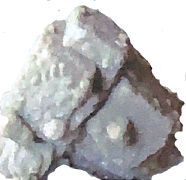
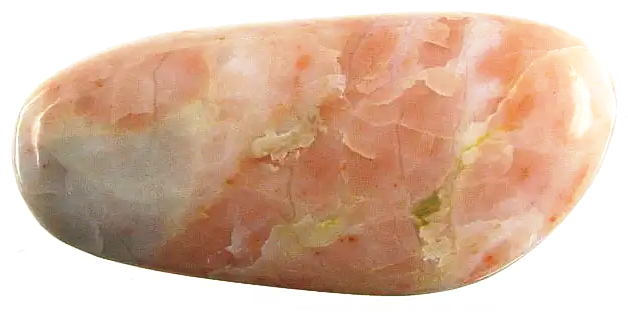
- positive effect on acid-base balance
- reduces the risk of cardiovascular diseases
- normalizes blood pressure
- normalizes blood sugar levels
- prevents osteoporosis
- reduces the likelihood of urolithiasis
- relaxes muscles
- increase life potential
- increase resistance to stress
For magical purposes, dolomite is used not only as an amulet, but it can also be used to decorate household items, figurines, chests, and other things that people often use.
- if a man wears the stone on the little finger or ring finger of his right hand, he becomes more reasonable, attentive, and responsible
- it is undesirable for women to wear jewelry with dolomite (with rare exceptions), because its strong masculine energies may harm them
- it is a very good gift for a young single man, because it strengthens masculine qualities and helps him be restrained and responsible
- people who are contraindicated from wearing dolomite are those with a quick temper and an aggressive nature
- wearing dolomite is not recommended for managers. This may provoke aggression, conflict, and tyranny on his part
HABITAT
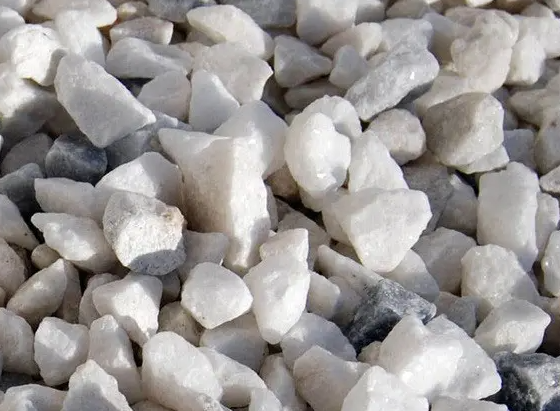
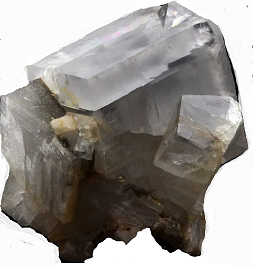
Dolomite can be found both in the form of solid materials and as a component of limestone. The essential condition for its formation is the presence of salt water.Deposits of this material are very often found along the coastal zones of seas or lakes with a high salt content. Dolomite deposits are found all over the world.
Countries where this stone is mass-produced: Canada; Switzerland Italy; Spain; USA.
There are also relatively rich deposits in the territory of the former USSR: Karelia; the Caucasus; the southern Urals; the Volga region; Vitebsk Region, Belarus; Donbas, Ukraine; Kazakhstan; Armenia; Uzbekistan; North Ossetia.
COLOR: Dolomite can have various shades depending on the inclusion of different components:
- Pink. This color is obtained due to manganese impurities. The name of this variety is grinerit.
- Purple. This color will be dolomite with an admixture of cobalt. Its name is cobalt dolomite.
- Black color. A relatively rare variety of dolomite is black in color and is called teruelite.
- Dolomite acquires a green color thanks to the admixture of iron and nickel. The name of such a stone is taraslite.
- Dolomite acquires a reddish tint due to the presence of iron. The variety is called ferrodolomite.
- Ankerite brown. Calcareous (ferruginous) dolomite with an admixture of calcite. Color defines iron.
But in the Dolomites, just like in the maternity ward, gems can be found. So in Macedonia, pink translucent corundums are found in dolomitic marbles. In the Baikal dolomites, findings of noble spinels in red and blue.In the dolomites at the Putin Bay deposit (Lake Erie), pale blue celestite crystals were mined. Gem-quality dolomite crystals are found in hydrothermal veins and metasomatites.
HISTORY AND TRADITION
Dolomite is named after the French geologist Déodat Gratet de Dolomieu, who discovered it in the 18th century. century in the Italian Alps. The mountains in which the mineral was found came to be called the Dolomites. Dolomite has several alternative names: brown spar, rhombohedron, miemite, tarandite, kodatsiyat, and ridolphite.
Belogorsk dolomite marble (from White Mountain in Southern Karelia). There are more than 10 varieties of it. All of them found use in the interiors of the palace complexes of St. Petersburg. The most beautiful varieties have a delicate pink and cherry-red color. The hall "People of Russia" in the Ethnographic Museum of St. Petersburg is clad with this marble.
The Hermitage (Saint Petersburg) has a vase made of Nevyansk larch. A similar vase is in the Ural Geological Museum (Yekaterinburg).