OPAL STONE ABILITIES, MAGICAL STONE - STONE OF TRUTH - SYMBOL OF HOPE - WILL TO LIVE - AMPLIFIER
Balances emotions, helps heal old wounds,
- can absorb as well as emit
- receives thoughts and feelings from its surroundings, amplifies them, and returns them to their source
- it is a karmic stone that teaches us that everything we send out will return to us
- acts as a protective stone — if properly programmed, it can make you unnoticeable or invisible
- it can be used if you want to dare to enter a dangerous place
- encourages artistic inclinations
- since ancient times it has been associated with love and passion, with desire and eroticism
- it is a stone of temptation that intensifies emotions and releases inhibitions; it acts as a stabilizing element for feelings, but in some cases it rather disperses energy, and its user must be very focused before using opal to explore or evoke emotions
- it will show you what your emotional state was in the past — especially in past lives — and teach you how to take responsibility for what you are feeling right now
- encourages the expression of positive feelings
- evokes faithfulness, loyalty and spontaneous action, but it can also intensify fickleness if you already have tendencies toward it from earlier times
- it can be used to heal the earth’s energy field, where it removes damage and gives it new energy and stability
- it also fulfills its role during shamanic journeys, where it is necessary to be invisible
- amplifies peculiarities of character while simultaneously bringing personal traits to the surface so they can then undergo transformation
FIRE OPAL (ORANGE-RED) STONE ABILITIES
Stimulates personal power.. restores energy, protects
- a symbol of hope
- restores energy, serves as an energy amplifier
- increases personal power, awakens inner fire, and protects against danger
- balances emotions, controls mental state, absorbs feelings, amplifies them, and sends them back to the source
- encourages love and desire - brings devotion and fidelity, strengthens self-esteem
- brings change and progress
- protects against danger
- excellent for business and trade
- can reveal deeply hidden ideas and feelings of regret or sadness, even if they come from one of past lives
- it is an excellent stone enabling journeys into the past, although it can sometimes act quite explosively if emotions with which it was previously filled are suddenly released
- resonates with the abdomen, lower back, and the meridian called the triple warmer
- heals the intestines and kidneys, keeps the adrenal glands in balance, and prevents burnout
- stimulates the activity of the sexual organs
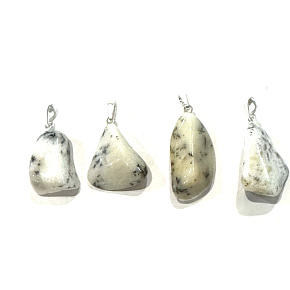
WHITE OPAL STONE ABILITIES
Physical and spiritual strength - an amplifier of our feelings, for happiness, optimism, and the will to live
- an amplifier of our feelings
- helps one be more attentive and patient
- this gem helps control emotions
- enhances memory, concentration, and energy
- its vibrations support the zest for life and help overcome obstacles
- the mineral is dangerous for people prone to lies and self-deception
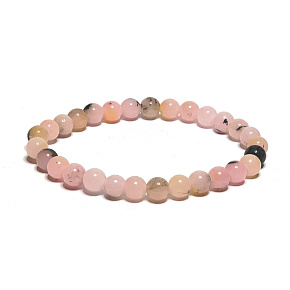
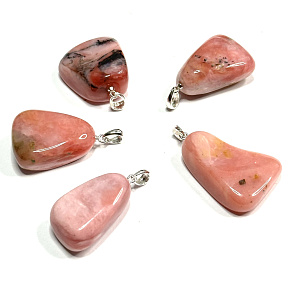
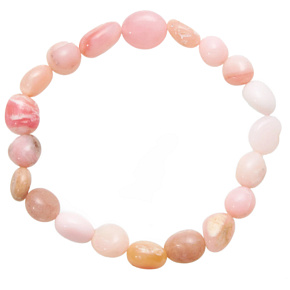
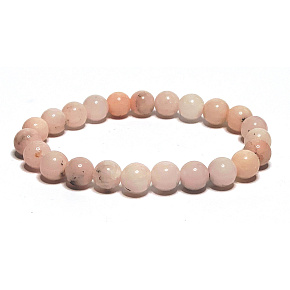
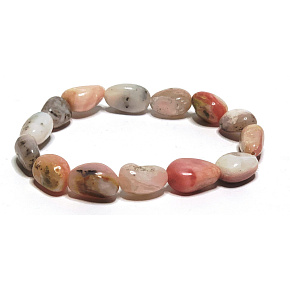
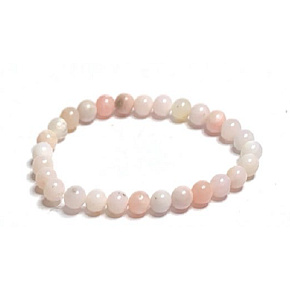
PINK OPAL STONE PROPERTIES, QUEENS' STONE - HOPE - LOVE - EMOTIONAL HEALING
- it is a great stone of attraction, feminine intuition, and beauty.
- feminine and gentle strength helps give great love to others.
- helps to love, give love, and opens the tender feminine side of the soul
It is the best amulet of all colors. Such opals have a mild effect, so they rarely harm people.
- helps you cope with any problems and improve relationships with others
- encourages kindness, compassion, empathy, and tenderness in your relationships
- opens your heart so you can feel what others feel, without judgment
- instills an attitude of compassion and love that helps you find common ground with everyone you meet
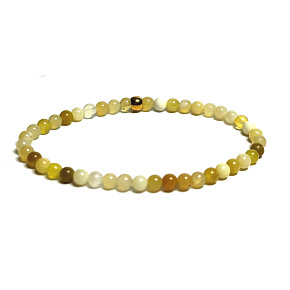
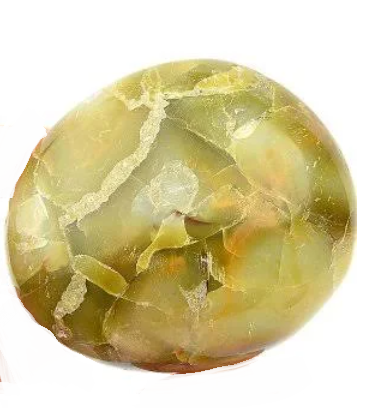
YELLOW OPAL STONE ABILITIES
- is considered the main assistant in the event of internal conflicts
- helps improve relationships and strengthen the family
- yellow minerals are mild, but may increase worries and phobias
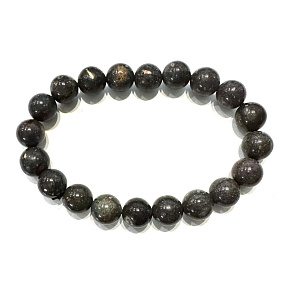
BLACK OPAL, DARK STONE ABILITIES
- helps develop thinking
- improve emotions and impressions
The stone is dangerous for arrogant people and lovers of gambling. It can also harm a weak person who has poor control over their feelings
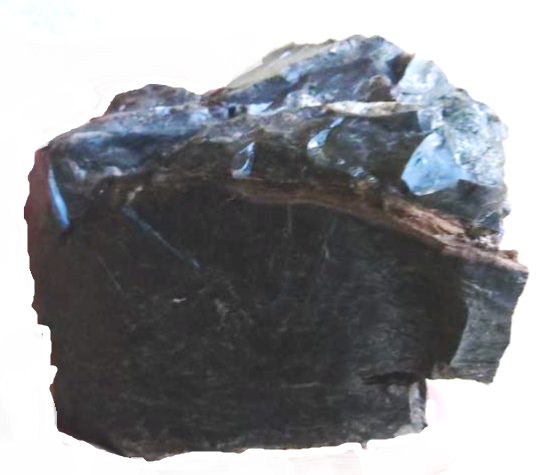
BLACK-BROWN-GRAY OPAL STONE PROPERTIES
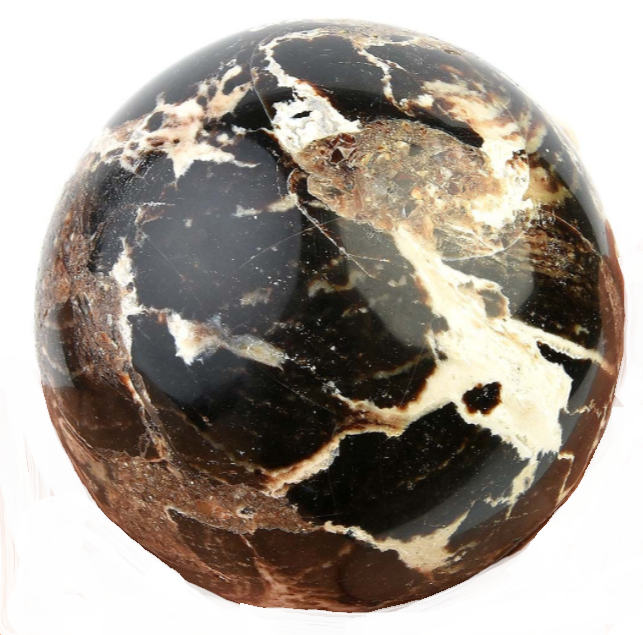
- resonates with the spiritual chakra and reproductive organs
- it is useful in releasing sexual tension arising from emotional causes
- it also helps in managing and integrating newly manifested emotions
BLUE OPAL STONE ABILITIES
- attracts a lot of good luck
- is especially useful for career advancement and achieving set goals
- resonates with the throat chakra and can improve communication, especially in cases where one’s own thoughts have been suppressed or self-confidence has been lost
- helps with experiences connected to past lives or injuries that affect the present life; these issues can heal through a higher cosmic plan
Blue opals are impatient and may harm an emotional or inattentive wearer.
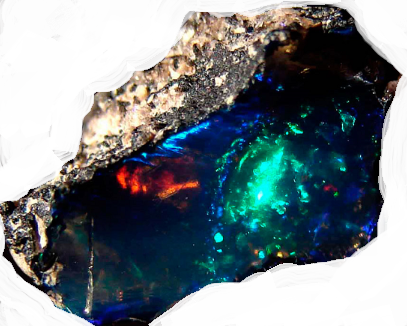
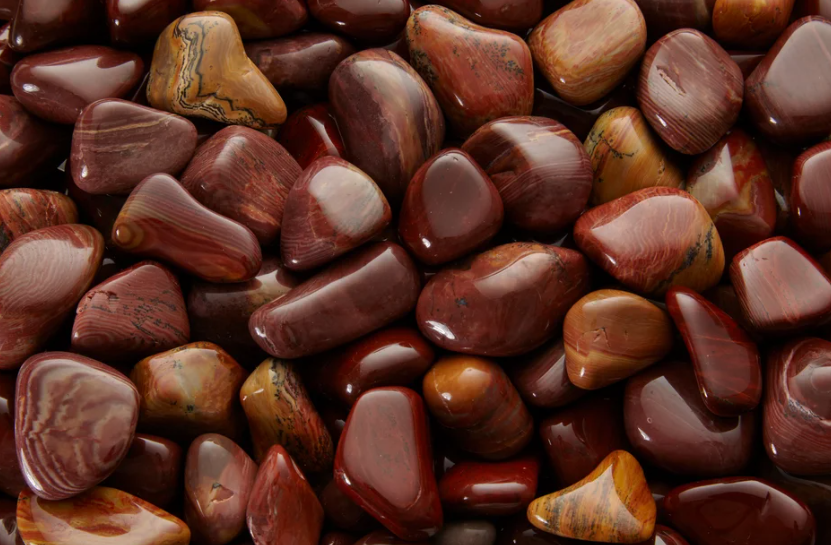
RED OPAL STONE ABILITIES
Makes the owner more confident and optimistic.
- help with love affairs
- bring a sense of focus and grounding
- are exceptionally useful in treating headaches caused by a blocked and unopened third eye
- support tissue regeneration and the healing of blood disorders, muscle tension, and spinal problems
- suppress symptoms associated with menopause
- help with cleansing and activating the root and spiritual chakras
- this stone awakens clairvoyance and prophetic intuition
- minerals of this color may adversely affect people who are prone to a slow pace of life
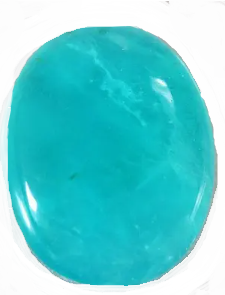
OPAL CHRYSOPAL (BLUE-GREEN) STONE PROPERTIES
- opens the mind to new impressions and encourages openness toward other people
- helps to observe the world with new eyes. It is a stone that improves mood
- makes it easier to let go of emotional burdens, often through crying and the release of emotions
- removes toxic substances from the body and contributes to liver regeneration
- drives away constricting feelings from the heart and chest
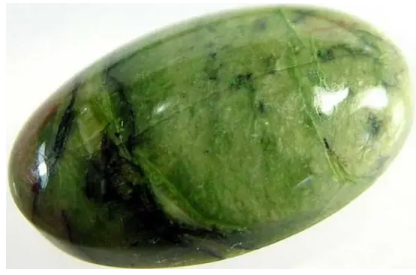
GREEN OPAL STONE PROPERTIES
It stands out for its healing effects. Samples of this color can not only protect against diseases, but also help treat them. This opal may be harmful to health if used improperly.
- it is a cleansing and rejuvenating stone that supports emotional healing and helps develop relationships
- thanks to its ability to filter information and reorient the mind, it gives meaning to everyday life while also bringing a spiritual perspective
- it strengthens the immune system and suppresses colds and flu
HYALITE OPAL (WATER OPAL) STONE ABILITIES
- it is an excellent stone for crystal ball divination
- its “watery” depths have a beneficial effect on connecting with the spiritual world
- stabilizes mood, connects the root chakra with the crown chakra, and enhances experiences gained during meditation
- hyalite helps people who are leaving the physical body
- it teaches the wisdom that the body is only a temporary vehicle for the soul
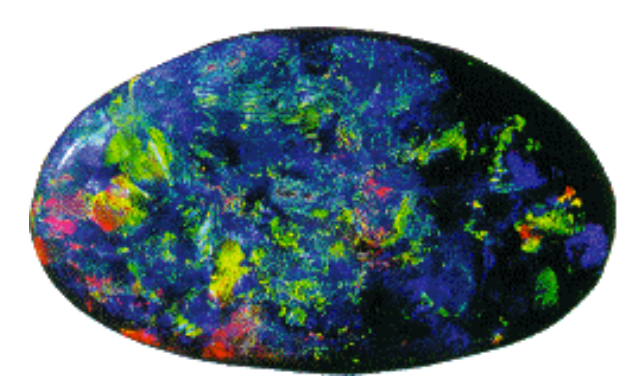
AURORA OPAL STONE ABILITIES
HEALTH EFFECTS
- strengthens the will to live
- helps vision, especially as an essence
- treats fever and inflammation
- helps with poor gland function and fluid retention
- treats Parkinson's disease, infections, and fevers
- cleanses the blood and kidneys, regulates insulin levels
- helps during childbirth and eliminates premenstrual syndrome (dark opal)
- has a beneficial effect on the eyes, especially as an elixir
- helps heal old wounds
PLACEMENT
- place as needed, especially on the heart or solar plexus
- wear on the little finger
CLEANSING AND CHARGING
- clean them in lukewarm water with a few drops of dishwashing detergent, using a soft cloth or sponge; do not use any other chemicals, fabric softeners, bleach, etc. Never clean opal in an ultrasonic cleaner; then rinse the opal with clean running water and dry it with a soft cloth
- it is one of the few stones that suffers in the sun, so clean it as often as possible under a stream of lukewarm water
- leave it to charge either in daylight out of direct sunlight, preferably early in the morning, or on a clear night during the full moon; precious opal should not be worn often, or even permanently, with other stones.
CRYSTAL
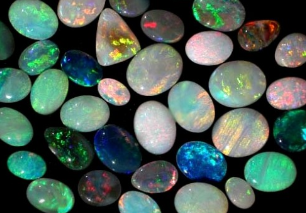
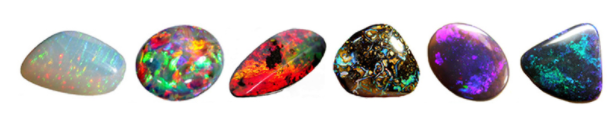
Opals play with one, two, or three colors, or reflect the entire spectrum of the rainbow. The underlying shade, against which the play of colors stands out, is caused by the arrangement of tiny impurities in the silica spheres. It is precisely on the basis of this background shade that opal is divided into individual types, some of which are valued more highly, others less so. Opalescence stands out better against a dark background. The play of color is among the most significant aspects of opals – if the color tones are not only vivid but span the entire spectrum, the price of the stone rises at a rocket-like pace. The desired opalescence is also determined by the colors themselves, as red and orange, for example, are considered the best, with white close behind them. The value of individual shades is also influenced by fashion trends and personal preferences. Opalescence also varies depending on the viewing angle or the type of light: in the same part of the cabochon, red may dominate from one perspective, while blue may dominate from another angle. The most valuable opals stand out with a play of colors from every angle.
Color is also assessed by pattern, which refers to the arrangement of opalescence in the stone. In general terminology, the following terms are used:
- Flashes or pinheads: small colored spots close together.
- Harlequin or mosaic: broad angular colored patches close together.
- Flame: broad reddish streaks or smudges scattered throughout the stone.
- Peacock: predominant blue and green.
In general, experts look for large patches of color close to each other. For gemstones, the opalescence pattern matters less than the brightness of the colors. When evaluating the pattern, one must not forget the so-called dead spots, which are visible in the play of colors only against the background and which can reduce the price of an otherwise beautiful stone.
In the world of natural precious opals, everything revolves around play-of-color (opalescence). It is also the first thing that catches our eye at first glance. As if all the colors of other gemstones could be seen in a single stone. When evaluating natural precious opals, color is also an absolutely essential and decisive factor. Color content, color intensity, color composition, predominant colors, color pattern — all of these have a great influence on the price. As secondary factors, consideration is given to the weight, findspot, size, or shape of the polished section. This is what makes precious opal unique. The color-play structure of every natural opal is so unique that each precious opal becomes a complete original.
HISTORY AND TRADITION
The name opal comes from the ancient Indian word "upala," which means precious stone. Humanity has known it since the 6th century. century BC. For many centuries, the most beautiful opals came from eastern Slovakia, from the area around the village of Červenica.
- it is said that Opal is made of rain because it is beautifully colorful
- another legend claims that these are the tears of the god Dino, which fell from the sky to the earth and transformed into rainbow opals
- according to another legend, they are the tears of the goddess Iris
- Opal is known for its ability to bend light
You may have heard that opal brings bad luck and is a stone of evil. For a long time, the whole world believed it. However, this myth only arose on the basis of Sir Walter Scott’s bestseller Anne of Geierstein, in which the main heroine, accused of conspiring with the devil, died when a drop of holy water accidentally fell on her opal-adorned jewel and destroyed its color. The public took it as a warning against this unfortunate stone, and the European opal market fell into serious trouble for more than 50 years.
- In ancient times, opal symbolized loyalty and self-confidence, and later it began to be associated with Christian prayer. It was believed to have strong therapeutic effects and to protect against eye diseases. As an amulet, it was said to help against illnesses and strengthen the eyes and mind. Flashes of red and green led people to attribute to it the healing properties of ruby (stopping bleeding) and emerald (treating illnesses).
- In the Middle Ages, people believed that if blond women wore an opal necklace, they would prevent their hair from fading or darkening. Similarly, there was a belief that opal would make a person invisible if they truly wished it, and therefore it was called the “patron of thieves” (patronus forum).
- Australian Aboriginal legends tell how the pelican used an opal to give fire to people. One day, the Wangkumara people decided to send a pelican to the Northern Territory so that, upon his return, he could tell them what was there. The pelican flew away, carrying fish and water in its beak for the journey. After some time, he decided to rest for a while at the top of the hill. At the same time, he looked down beneath himself and marveled at the beautiful colors shimmering from the rocks below him – he saw opals. The pelican was so captivated by the sparkling stones that it began pecking at them with its beak. Flying sparks ignited the surrounding dry grass. The flames grew and spread down toward the Wangkumara people, who were camped at the foot of the hill. For the first time, people could roast meat and fish, and they were very grateful for it.
- In ancient Rome, opal was regarded as the mother of all semi-precious stones and gemstones. The prominent Roman philosopher and historian Pliny said of opal that it possesses the qualities of all precious stones: “It has a gentler fire than the ruby, the dazzling purple of the amethyst, and the sea-green of the emerald—and all of this shines in an incredible unity.” Their beauty is rivaled by the colors of painters, flames leaping from burning sulfur, or fire fueled by oil.“
- In Greek mythology, they in turn believed that opals were Zeus’s tears of joy, which he shed after his victory over the Titans.
- For the Aztecs, opals represented earthly proof of the waters of paradise. In India, opals were considered the “goddesses of the rainbow,” who turned into stone to escape the unwanted attention of other gods. In the Arab world, they in turn believed that opals were sent from heaven in the form of lightning and that they captured divine light within themselves.
What causes the various colors of opal? It can retain (for a stone) a relatively large amount of water – usually between 6–11%, though in some cases even up to 30%. The fact that opals can be artificially color-enhanced was discovered quite by accident. One of the French miners in Slovakia found out one night. Several opals lay scattered on his desk, which he accidentally spilled ink on in the intensity of his work. These stones were colored so perfectly that even after drying, thorough rinsing, and polishing, they still retained a blue tint. To this day, opals artificially dyed blue in this way are called chameleons.
FACTS
1. Opal is Australia's national gemstone.
2. Empress Eugénie, wife of Napoleon III., she refused to wear opals because of their bad reputation. On the other hand, the British Queen Victoria laughed at superstitions and gave opals to all her daughters when they married.
3. In Asia, opal is considered a stone of hope.
4. Opal does not change color according to the mood or temperature of its wearer. It only depends on the orientation of the stone and the lighting conditions.
There is a whole range of opal varieties - below are the most common ones:
- precious opal is transparent, bluish-white, and displays rainbow colors,
- fire opal is yellow to red, transparent, and opalescent,
- hyalite is transparent and resembles frozen drops of water,
- geyserite is a porous opal precipitated from hot springs,
- common opal is opaque, or translucent only at the edges,
- cacholong is a chalky white opal formed by loss of water, so it is sometimes classified as chalcedony,
- menilite is a nodular, dull opal of gray to brown colors.
1. Ordinary opaque opal is classified according to its appearance, e.g. waxy is brown in color, milky is white, woody was formed by the silicification of wood, so-called. opal jasper is permeated with limonite or hematite, and therefore it is brown to red.
2. The highest-quality opals come from Australia (Queensland, New South Wales), Mexico, the USA, Great Britain, South Africa, and Canada, but among the important places where they are also found are Bohemia and Slovakia.
Opal is a sensitive stone with gentle vibrations. Opens access to cosmic consciousness and awakens spiritual and mystical visions. Stimulates original and dynamic creative forces. Helps its owner discover and express their true self.
INTERESTING FACTS
1.It is said that natural opal can support devotion
Opal, with its unique, beautiful, and shimmering colors, brings good luck; legends about the bad luck this fragile stone brings most likely originate from times when jewelers broke it while trying to set the stone.
It is a stone with an absorbing ability; it senses your emotions, amplifies them, and then reflects them back to you while revealing your hidden desires.
This stone teaches you to take responsibility for your feelings; it can show you how to dissolve emotional blocks that prevent you from having a stable, long-lasting, and loving relationship.
Commitment is one of those words that many people dread: you may have met the right partner, but you feel that they do not take you quite that seriously, and your relationship is stagnating. Or perhaps you yourselves are holding back, unwilling to commit permanently to a single person.
The energy of precious opal can support the devotion and fidelity you seek, but beware of doubts, as the stone can amplify those as well.
PMS PLACEMENT: above the heart chakra in the center of the chest or it
PHYSICAL PROPERTIES
Opal is an amorphous silicon dioxide without a crystal lattice. Semi-precious stone gemstone.
Opal color varies, but all types share one common characteristic: a pearly luster.The effect in which light radiates from within the stone and disperses across the surface is named after the stone - opalescence... Also applies to other rare minerals.
Opals are transparent or translucent. This determines the percentage of water in the stone: the more there is, the more transparent the gemstone is. Premium ones have strictly 6–10%.
| Formula | SiO2 nH2O |
| Color | White, yellow, red, orange, brown, blue, green, black |
| Luster | Glassy, dull, sometimes pearly |
| Transparency | Transparent to translucent |
| Hardness | 5.5 - 6.5 |
| Cleavage | No |
| Fracture | Conchoidal; brittle |
| Density | 1.96 - 2.20 g / cm |

/search_thin.svg)

/user.svg)
/cart.svg)

/heart.svg) Favorite
Favorite/compare.svg) Compare
Compare