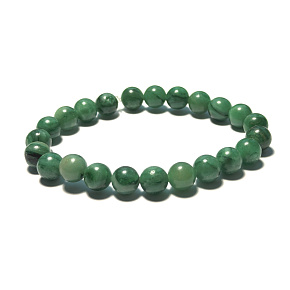
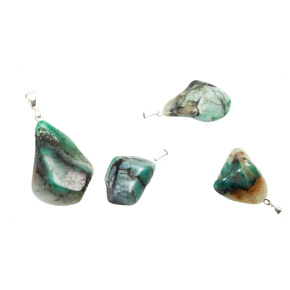
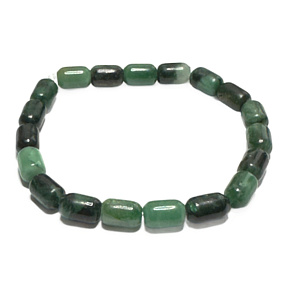
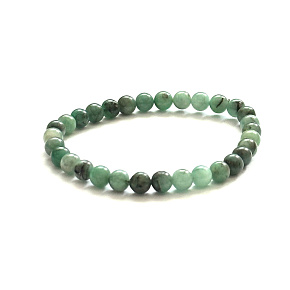
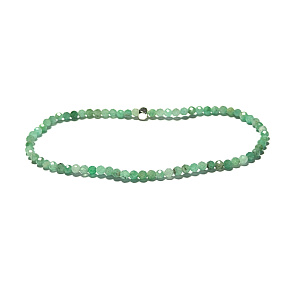
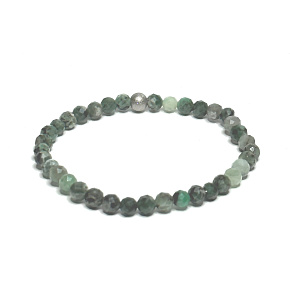
SMARAGD / EMERALD / STONE PROPERTIES, THE STONE OF QUEENS AND KINGS - THE STONE OF WISDOM - INSPIRATION - PATIENCE - BALANCE
A symbol of purification and regeneration = a stone with strong powers = a stone of luck, successful love, a symbol of fidelity and devotion. It is said to have been the sacred stone of the goddess of love, Venus, and is said to conceal phenomenal healing power within itself.
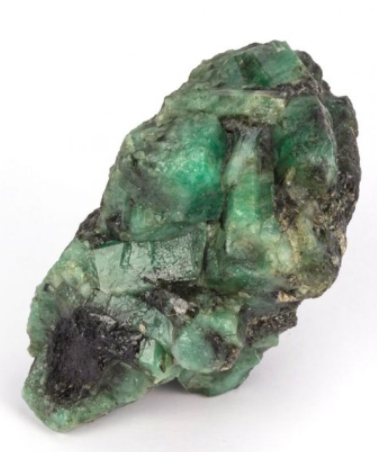
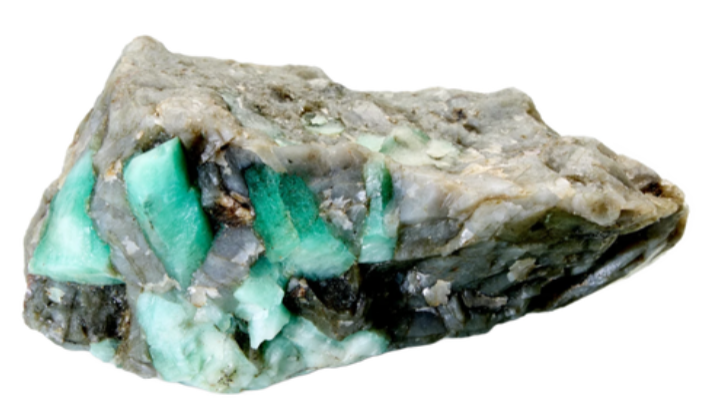
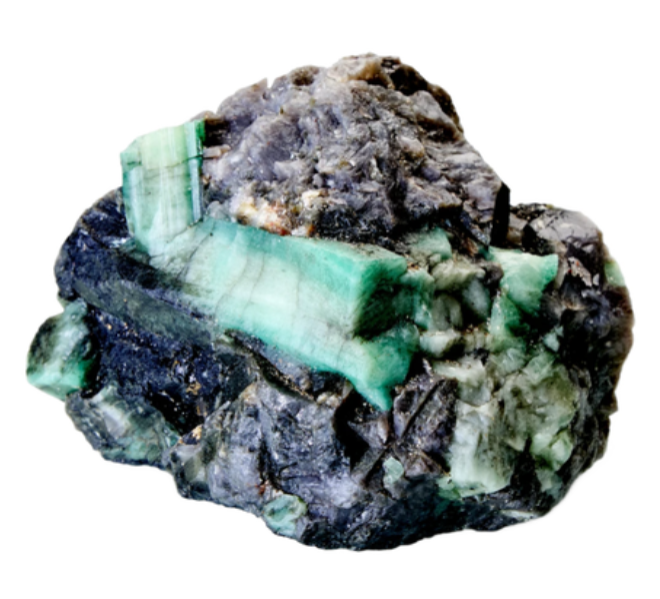
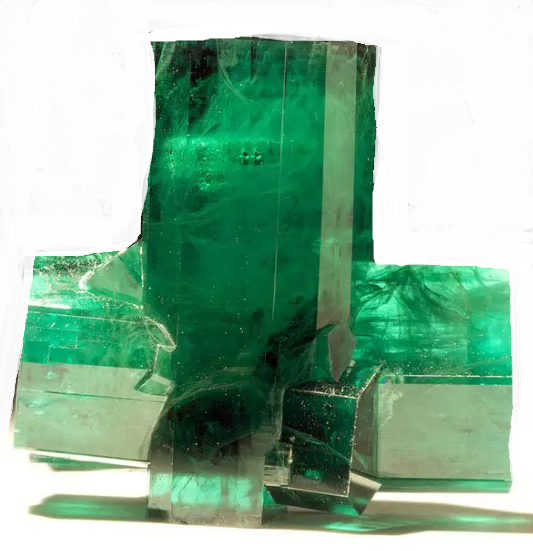
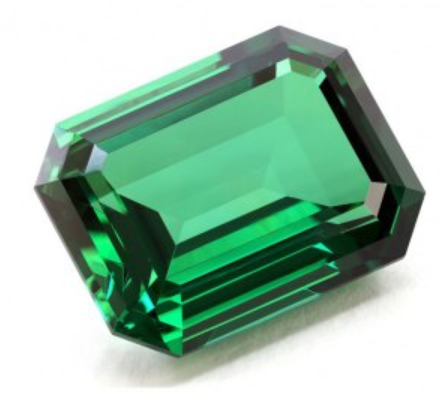
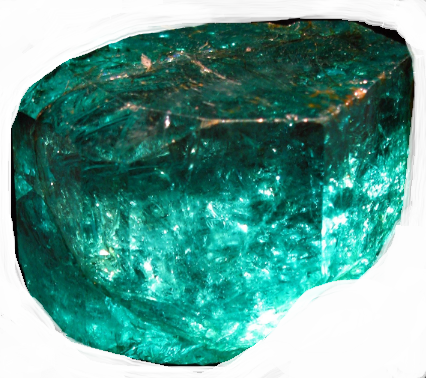
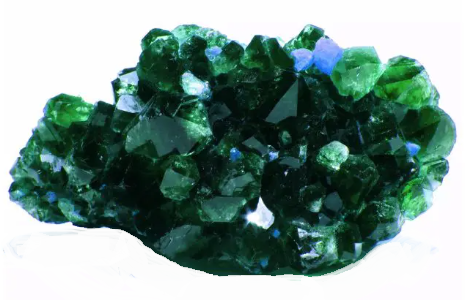
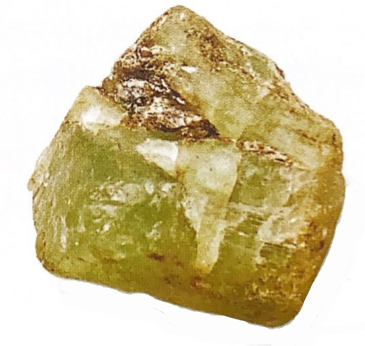
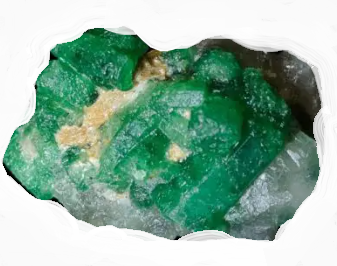
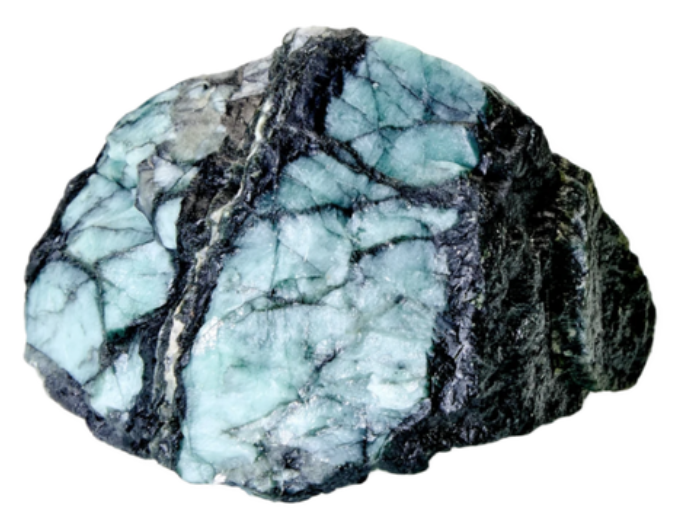
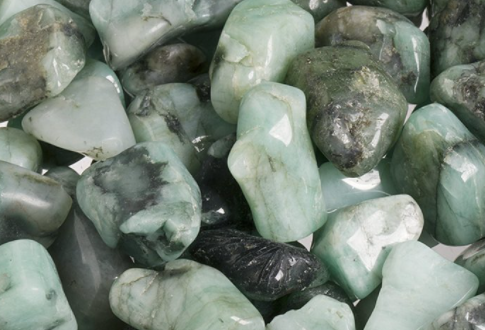
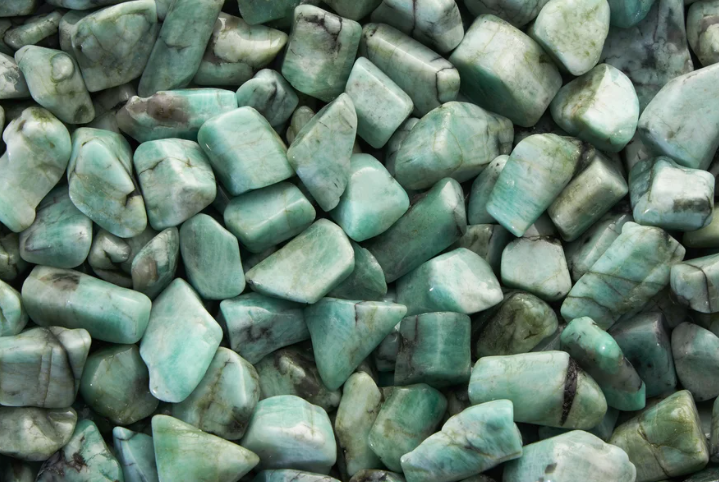
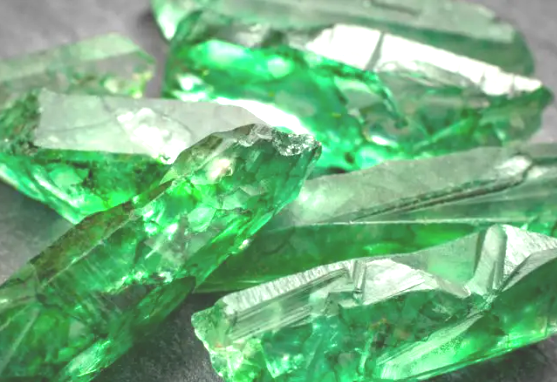
- a stone with strong abilities
- attracts love, abundance
- brings the wearer loyalty and good fortune
- supports a balanced relationship, balances inner feelings
- encourages unconditional love, strengthens friendship and partnership
- alleviates stress, melancholy, depression
- improves memory, supports the intellect
- calms emotions, ensures physical and mental balance
HEALTH EFFECTS
- aids recovery after infectious diseases
- treats inflammation of the sinuses, lungs, and throat, as well as the spine and muscles
- has a beneficial effect on the eyes
- improves vision and detoxifies the liver
- brings relief for rheumatism and diabetes
- is used as an antidote
- strengthens heart function, balances irregular blood pressure, helps in the treatment of gout and rheumatism
- helps in the treatment of infectious diseases such as flu, tonsillitis, diarrhea, and stomach poisoning; it is suitable for use in inflammation of the paranasal and frontal sinuses, diabetes, migraine, and multiple sclerosis
- in the past, it was believed that an emerald pendant worn around the neck protected against epilepsy
- its green rays can help in the treatment of malignant tumors
emerald water is suitable for treating aging skin and refreshing deteriorating eyesight; it is suitable for bloating, liver and gallbladder problems, heartburn, and stomach ulcers
LOCATION
- wear on the little finger, ring finger, over the heart, or on the right hand
- it can also be placed on an area you wish to heal, but do not wear it permanently, as it could release negative emotions
- a matte emerald is not suitable for mental attunement
CLEANSING AND CHARGING
Emerald is a very delicate mineral that absorbs every tension, including the negative vibrations of our organism. If the energy emanating from us is strong, intense, and negative, and if the emerald is not carefully and regularly cleansed, it is no longer able to absorb it. It develops cracks and eventually it may happen that it cracks, that it literally explodes. Therefore, it is necessary to carefully clean the emerald with lukewarm water after each use and not overstrain its powers. Do not clean with ultrasound or steam, do not expose it to sudden temperature fluctuations, and charge it only briefly in indirect sunlight
- after each use, carefully clean with lukewarm water and do not overstrain its strength, do not clean with ultrasound or steam, do not expose it to sudden temperature fluctuations, and recharge it only briefly in indirect sunlight
- it is best recharged during the full moon, in virgin soil
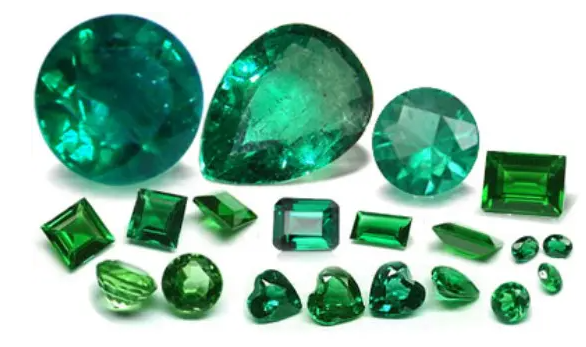
In jewelry making, we encounter several shapes and cuts. Most often, these are oval cuts or teardrop or pear shapes. If the stone contains multiple inclusions, it is usually cut into a rounded cabochon shape.The most well-known cut, however, is the emerald cut. It is a rectangular or square shape with chamfered corners. This is precisely how the beautiful coloring of the emerald stands out best.
Emeralds are the symbol of the 20th and 35th wedding anniversaries, making them an excellent gift for these significant occasions.
ZODIAC SIGNS
- According to the horoscope, emerald is ideal for Gemini - it endows them with wisdom, balance, and perseverance. The strong energy of the gemstone will help them get rid of excessive emotionality that disrupts life. It also helps improve memory and increase concentration. The owner of the stone will be able to find new friends, become more sociable and cheerful.
- It will be an excellent talisman for those whose zodiac sign is Cancer. Its support will help them cope with a hot temper, aggressiveness, and impulsiveness, and will charge them with the energy needed for self-development and doing good deeds. By getting rid of depression and shyness, many Cancers will become more self-confident.
- The true lovers of emerald are Libra and Taurus. After purchasing the stone, they will easily achieve their goals, become more sociable and efficient.
- Sagittarians, who have become owners of the gemstone, gain self-confidence, get rid of causeless anxiety, worry, and temporary failures.
- With emerald able to protect its owner from stressful situations and contacts with dishonest people, Aquarius will learn to cope with fits of anger, gain self-control, and above all value family well-being.
- The emerald talisman will help Aries with irritability and excessive impulsiveness, and by balancing their emotional state, it will help harmonize relationships with loved ones.
- Emerald for Pisces - promotes a positive outlook, self-confidence, and the ability to make objective and balanced decisions.
- Stone support will help Leo get rid of his own vanity and focus all efforts on achieving his goals.
- Don't forget to consider whether the mineral is suitable for the zodiac sign. You should not buy such an amulet for Scorpio and Capricorn.
COMPATIBILITY WITH OTHER STONES
- As a mineral of the air element, emerald does not go well with the stones of Water: opal, pearls, topaz, amethyst, heliotrope, alexandrite.
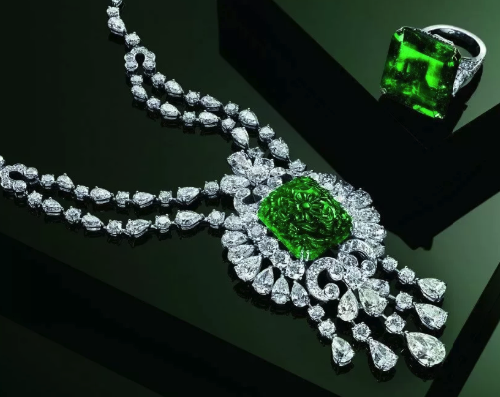
- In jewelry, a cut emerald is ideally combined with diamonds, as well as with stones of the same category, which includes: sapphire, chrysolite, and ruby.
- Agate creates an equally harmonious pair for it.
- According to astrologers, emerald is in conflict with amethyst.
A GOOD TIME TO BUY
It is better to buy an emerald or jewelry with them on the first or second lunar day. Start using or organize a jewelry “presentation” - 16. day of the lunar cycle, that is, after half a month.
Celebrities love emerald jewelry:
- the stone of wisdom and balance is set into a ring owned by A.S.Pushkin;
- the golden cross with emeralds became Marlene Dietrich's wedding gift to her friend Edith Piaf;
- Lyudmila Zykina's collection includes three pieces of jewelry with Ural emeralds: a yellow gold ring with a scattering of diamonds and a silver set (ring plus earrings);
Emerald is the stone for those born in May and a royal birthday gift.
Silver with emerald is used as a magical artifact that creates an inheritance talisman.
- Emerald jewelry, which is a luxury item, is recommended to be worn to social events.
- Rare items, set in platinum or gold and complemented with diamonds, will be suitable for adult women. For young girls, more modest accessories with synthetic or pale-colored crystals of small sizes are suitable.
- A man can complement your look with cufflinks, a tie clip, or a massive platinum or silver ring.
- Emerald was associated with the image of mature femininity and the beauty of various nations. In Kievan Rus', it was an attribute of married women who had more than three children.
COLOR
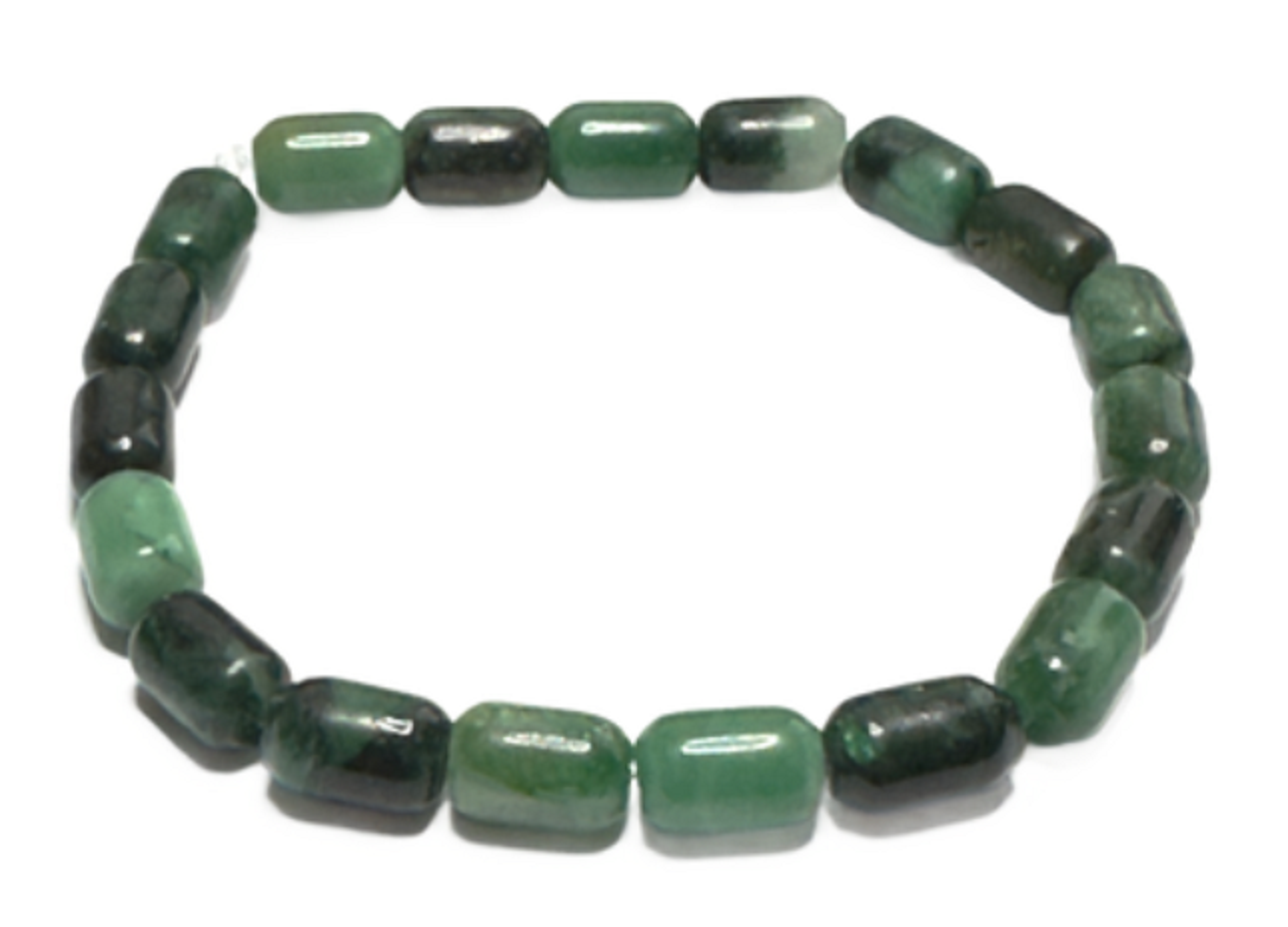
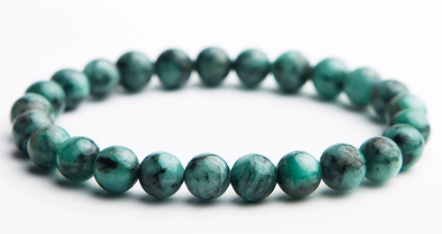
For emeralds, color is an even more important factor than for other colored gemstones. The most valuable shade of this gemstone is a deep green tone with hints of blue. Such a stone is referred to as a 'Colombian' emerald, although this designation does not necessarily correspond to the gemstone's geographical origin. Lighter-colored emeralds with shades of yellow are referred to as so-called 'Brazilian' emeralds, and again, it applies that these do not necessarily have to be emeralds originating only from Brazil.
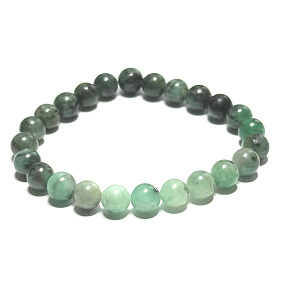
The main characteristic of a natural emerald is its green color. The base ranges from light tones to shades of dark green leaves. The mineral can simultaneously shine in tones of green, yellow, and blue. Types of stone are determined by the place of extraction.
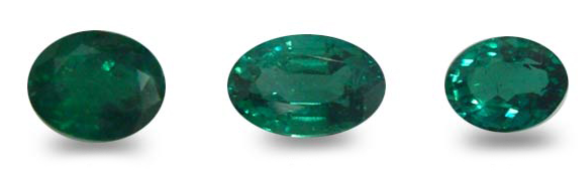
APPEARANCE: Small radiant gemstones or larger and darker crystals
OCCURRENCE: Gemstones are sold at a high price, while unpolished emeralds can be obtained quite easily
DEPOSITS: India , Zimbabwe , Tanzania , BrazilIndia, Zimbabwe, Tanzania, Brazil, Egypt, Austria
EMERALDS OF COLOMBIA
Nowadays, 50 to 95% of all emeralds are mined in Colombia (the exact percentage varies greatly from year to year in different directions). Colombian emerald production increased by 78% between 2000 and 2010. In addition to ordinary emeralds, Colombia also produces trapiche emeralds, which are characterized by crystal formation in the shape of a wagon wheel.
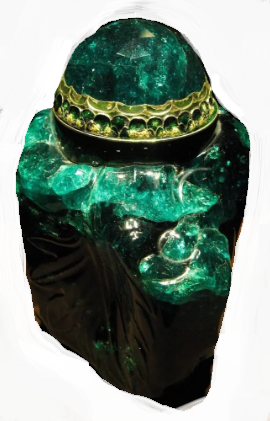
ZAMBIAN EMERALDS
Zambian emeralds are of higher quality than Colombian ones. The largest emerald deposit in Zambia is the Kagem mine, located 45 km southeast of the city of Kitwe. In 2004, about 20% of all emeralds mined that year were extracted here, making Zambia the second "emerald" country after Colombia. In the first 6 months of 2011, 3 were mined at the Kagem mines.74 tons of emeralds.
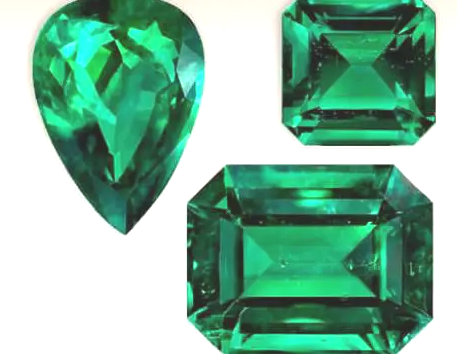
ZIMBABWE EMERALD
A combination of yellow and green appreciated by jewelers.
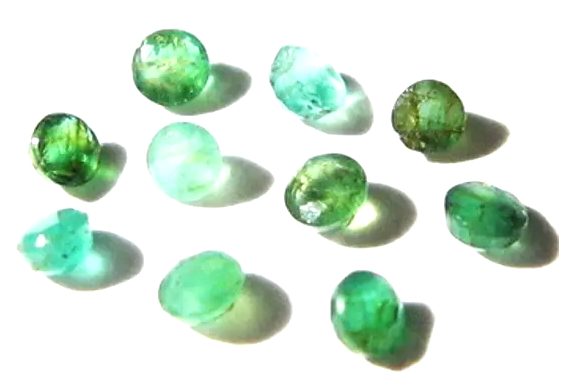
BRAZILIAN EMERALD
Stones mined in Brazil are lighter and much clearer than Colombian ones. It was right here that the world's largest emerald was found, weighing 57,500 carats (11.5 kg), named Teodora, and estimated at approximately $1 million.
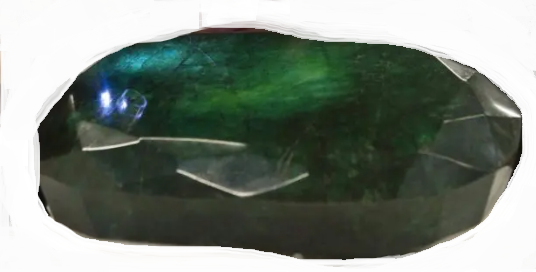
SOUTH AFRICAN EMERALD
Stones from South Africa are light, but cloudy, and are used for cabochons.
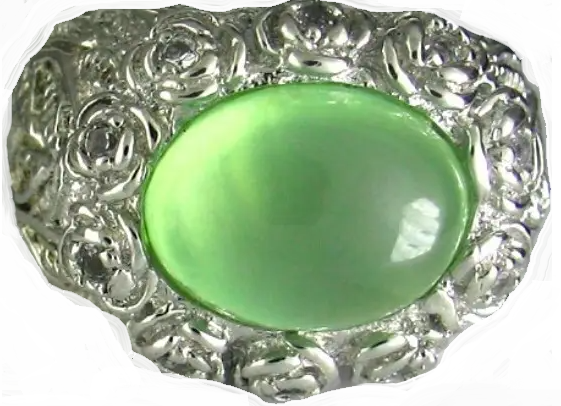
EGYPTIAN EMERALD
In Egypt, emeralds are mined in mines near El-Quseir and near Mount Zabara (according to the hieroglyphic monuments found there, this deposit was already developed as early as 1650 BC). The deposits near Aswan, 50–60 km from the Red Sea coast, were developed during the reign of Pharaoh Sesostris III about 37 centuries ago. In solid shale, slave miners dug mines as deep as 200 meters, in which up to 400 people could be present at the same time.
It was believed that the emerald feared light, because the work was carried out in complete darkness. On the surface, the rock bearing the emerald was broken into pieces and coated with olive oil to distinguish the precious crystals.
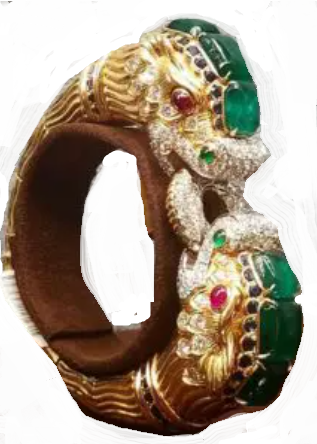
EMERALDS OF AFGHANISTAN
Or Panjshir emeralds, mined in the upper reaches of the Panjshir Gorge, in the Pavat area, in the villages of: Piryakh, Mabain, Zaradkhak - 10–13 kilometers southeast and east of the settlement of Pishgor, in each of which 20 to 40 mines were concentrated, and there are also significant emerald finds in the Darkhinj Gorge. During the Afghan War (1979–1989), the development of emeralds in the Panjshir Valley was under the control of the chief field commander Ahmad Shah Massoud. After mining, the emerald was sent to Pakistan for processing, and from there it was distributed to international markets. The volume of financial resources obtained for emeralds during this period averaged up to $10 million per year. Rock extraction was carried out by Japanese drilling rigs with the participation of Western European engineers.
Afghan emeralds:
According to jeweler Oded Burstein, Afghan emeralds are no worse than emeralds from Colombia and Zambia; they compete equally in beauty and are of even better quality, because Afghan emerald crystal is purer and denser and gives off a brighter luster, has a unique shade and hardness when cut, thanks to the natural hardness of the crystal itself.
- Only when you possess an Afghan emerald can you truly appreciate its beauty, intense luster, durability, and unique green hue.And the fact that there are only very few green beryls from Afghanistan on the gemstone market makes them even more desirable.- Oded Burshtein "Inbar Fine Jewellery".
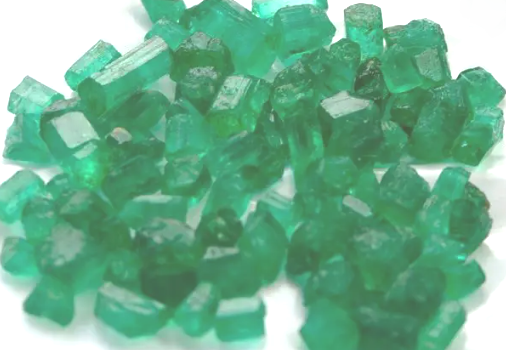
URAL EMERALD
The emerald mines of the Urals were discovered by Maxim Kozhevnikov and Yakov Kokovin in 1831 at the confluence of the Tokovaya River with the Bolshoi Reft River, 90 km northeast of Yekaterinburg. They are known for their unique sizes of emerald crystals, alexandrite, and phenakite. When evaluating costs, the color of natural stones comes first. A bright green specimen with small flaws is more valuable than a transparent, crack-free but pale one.
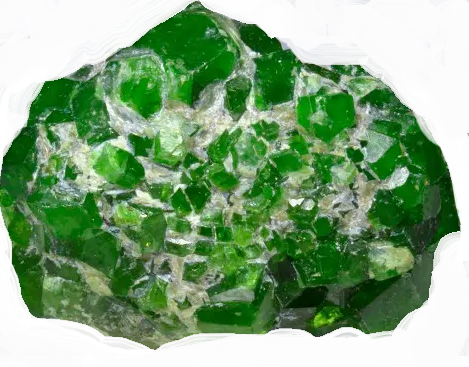
- There are no blue emeralds: they are beryls or artificially created specimens.
- The so-called red emerald is actually bixbite from the same beryl family as the true emerald. Emerald can have a very dark green shade, but not black.
HISTORY AND TRADITION
Emerald (its archaic name “smaragd” comes from the Latin word “smaragdus”) is a rare mineral of the beryl group. According to the Bauer-Fersman classification, emerald, together with diamond, alexandrite, chrysoberyl, noble spinel, sapphire, euclase, and ruby, is a first-order gemstone.
Today, this gemstone is celebrated as the official stone of the month of May and is a symbol for the 20th. and 35. wedding anniversary
- The main criteria for evaluating the quality of an emerald are its color and transparency. A transparent crystal of a saturated and evenly distributed grassy green color is considered ideal.
- The cost of large (weighing more than 5 carats), vividly colored, flawless emeralds often exceeds the cost of diamonds.
A whole series of stories and anecdotes arose around this magnificent jewel. For example, the ancient Incas and Aztecs already considered emerald a sacred stone. The probably oldest emerald finds come from the time of the pharaohs in the area along the Red Sea. These gemstone mines were operated by Egyptian rulers between 3000 and 1500 BC. n. l. and later were called Cleopatra's mines.
- Emerald trade, highly valued in ancient cultures, existed in ancient Babylon as early as 4000 BC. E. At that time, a merchant could ask for a small herd of cattle for one raw crystal.
- In 1818, near the Egyptian city of Aswan Cleopatra's emerald mines were rediscovered (tools found in the abandoned mine were dated by archaeologists to 1300 BC. n. l.).
- In ancient Egypt Emerald, considered the stone of the goddess Isis, was used by seers to predict the future, delve into the past and realize prophetic dreams, and also as a powerful talisman for women in childbirth.
- Jewelry with precious crystals was available only to high priests and members of the highest nobility. After the owner's death, the emerald jewelry was placed in the deceased's tomb.
- Description of emeralds can be found in the writings of Pliny and Theophrastus.
- According to historical records, emerald was also popular in ancient Rome. For example, Emperor Nero is said to have watched the course of gladiatorial games through a flat-cut emerald.
- Shah Jahan I., whose name among our contemporaries is associated with the construction of the Taj Mahal, always kept several emeralds with sacred texts engraved on their surface as a talisman.
- In medieval Europe and Russia emeralds, imported in small quantities by Persian merchants from Egypt or India, were extremely rare and unusually expensive. After the final colonization of the territory of Colombia by the Spanish conquistadors (between 1536 and 1539), emeralds taken from the indigenous tribes arrived in Europe in enormous quantities.
- The Indians also valued emeralds, especially for their healing properties.
They even believed that it brought luck and prosperity. - In 1839, in Yekaterinburg Province (in the area of the Tokovaya River), the first large emerald deposit in Russia was discovered and subsequently developed.
- This is the third jewel on the breastplate of the High Priest of Judah.
- Gemstones such as emeralds were a lucrative investment for the elite of Babylon.
- The Greeks called it the stone of radiance.
- Arab sheikhs collected heaps of flawlessly high-quality green gemstones.
- In the Islamic world, the magical properties of natural emeralds made them the principal stone of adepts of occult practices.
- For Christians, the emerald and the meaning of the stone evoke mixed feelings.
According to the Old Testament, an emerald fell from Lucifer's helmet when he was cast down to earth. So this is the embodiment of the forces of darkness. But the Holy Grail is made of it, which means it is a light stone. - In Persia, the term “emerald” meant “green stone.”
- In Russia, the gemstone was known as emerald; in the English-speaking world, the mineral is called emerald.
- Europe became acquainted with the jewel in 1831. century: conquerors who returned from America spoke of the deposits of Colombia.
- Geologists believe that emerald as a stone is not yet "mature": its hardness is increasing.
- Emerald is a stone of inspiration and endless patience. It lends balance and integrity to life. As a stone of successful love, it brings domestic happiness and fidelity. Increases the feeling of unity, unconditional absolute love, has a beneficial effect on partner relationships, which it keeps in balance, and brings friendship. If it changes color, it is a sign of infidelity.
- Emerald opens the heart chakra and has a calming effect on emotions. The crystal ensures emotional and mental balance. Removes everything negative and triggers positive events. It helps the owner focus on their intentions and elevates their consciousness to a higher level. Encourages positive actions. Improves mental abilities, opens the way to clairvoyance* and leads one on the path to attaining higher wisdom. According to ancient traditions, emerald provides protection against sorcerers' spells and helps predict the future. In mental life, it increases the strength of character needed to overcome life's setbacks. It is a stone of regeneration and healing that heals negative emotions. Enhances the ability to enjoy life to the fullest and in all its beauty. It also helps in cases of claustrophobia.
- Emerald is a source of mental clarity, strengthens memories and encourages deeper self-knowledge. Expands consciousness. It is a stone of wisdom, bringing sharpness of judgment and truth. Helps with eloquence when expressing one's own opinions. Emerald exceptionally supports achieving mutual understanding within a group and promotes cooperation among its members.
PHYSICAL PROPERTIES
Emerald is a green variety of beryl. The herbaceous green color of the crystals is caused by impurities of vanadium oxide (V2O3), ferric oxide (Fe2O3), or—as in South African emeralds—chromium oxide (Cr2O3).
As a distinct variety of beryl, emerald has:
- Density equal to 2.69-2.78 g / cm3;
- Hardness (according to the Mohs scale) from 7.5 to 8 points;
- Hexagonal system;
- Uneven conchoidal fracture;
- Imperfect cleavage;
- Vitreous luster;
- High resistance to acids and other reagents;
- Ability to change color when heated to temperatures exceeding 700 degrees;
- Pronounced dichroism: a change in the crystal's color (from yellowish to blue-green) when the angle of its illumination changes.
The mineral also has:
- Increased brittleness, which is why stones without flaws practically do not exist in nature: most natural crystals have many chips and cracks. Thanks to this property, they are difficult to cut, because a stone that appears strong can split apart with any careless movement.
Unlike diamonds, whose quality is usually assessed at tenfold magnification, emeralds are evaluated only by eye: crystals are considered flawless if they lack visible cracks (the appraiser’s visual acuity should be normal). - With varying degrees of transparency. The highest-quality emeralds are completely transparent. In most cases, their cloudiness is caused by the presence of healed fractures, gas or liquid bubbles, and point inclusions of rocks captured by the crystals during their growth. Because flawless stones are extremely rare, their surface is treated with special chemical compounds that give them a flawless appearance.
Wide range of green shades: from the lightest to dark green. Depending on the impurities that make up the gemstone, its shade may be bluish, reddish, or even black, but the main tone should remain green.
| Formula | Be3Al2Si6O18 |
| Color | Green, yellow-green |
| Luster | Glassy |
| Transparency | Transparent, translucent |
| Hardness | 7.5-8.0 |
| Cleavage | Imperfect |
| Fracture | Conchoidal, uneven |
| Density | 2.69 - 2.78 g / cm |

/search_thin.svg)

/user.svg)
/cart.svg)

/heart.svg) Favorite
Favorite/compare.svg) Compare
Compare