


E-mail: info@energetickekameny.czTelefon: +420 606 647 298
COPPER, vitality – harmony – love – flow of energy
COPPER – THE METAL OF VENUS, WARMTH AND LIFE FORCE - VITALITY – HARMONY – LOVE – CREATIVITY – INNER STRENGTH – CONNECTION – BEAUTY – BALANCE
“Strength doesn’t have to be hard and cold. Sometimes it takes the form of a warmth that reconnects us with life."
Copper is one of the oldest metals that humans began working with. Its reddish sheen has accompanied human history in the form of jewelry, tools, ornaments, and ceremonial objects. It evokes fire, sunlight, and the warmth of human touch.
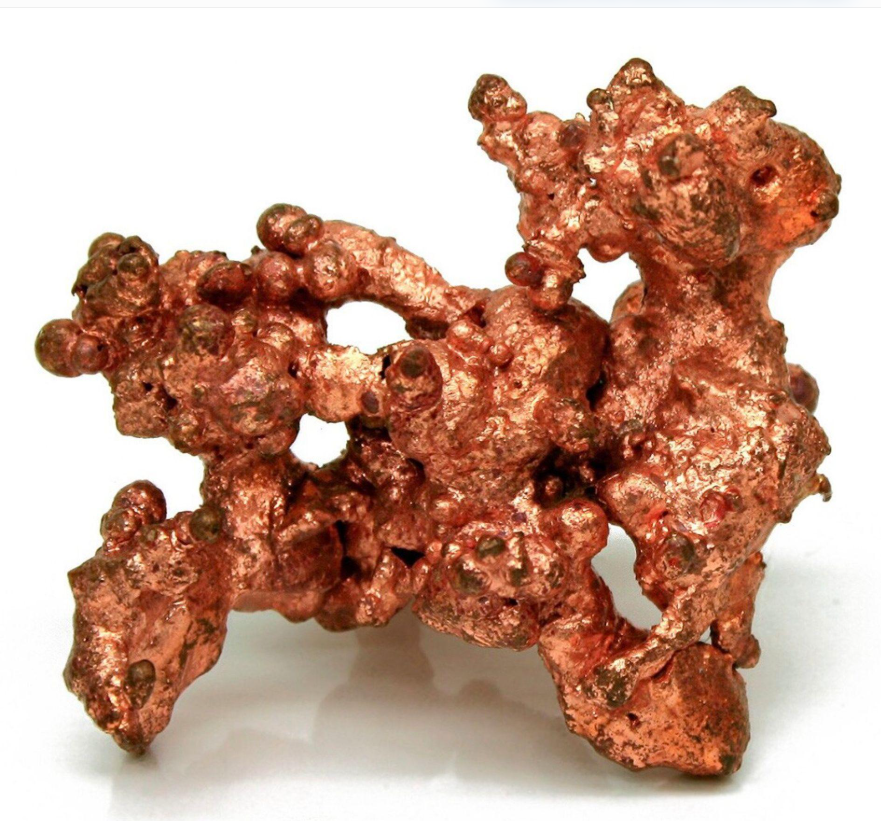
Although copper is not a stone in the usual sense, it belongs in the Atlas: in nature, it also occurs as native copper, an individual mineral from the native elements group. Jewelry is made using metal extracted and processed from ores; a finished copper bracelet therefore need not be made from a naturally occurring piece of pure copper.
In Western alchemy and esotericism, copper is associated with Venus, love, beauty, and harmony. In modern crystal work, it is often described as a symbolic intermediary between a person, a stone, and a personal intention.
THE SOUL OF COPPER
Copper symbolically combines malleability and perseverance. It can be shaped without losing its character. It can thus remind us of our ability to adapt to change while still staying true to ourselves.
Its warm color invites kindness, closeness, and joy in life. As a personal talisman, it can represent a return to what brings us joy, connects us with others, and inspires us to create.
MAGICAL AND SPIRITUAL PROPERTIES
In esoteric traditions, copper is primarily associated with the following meanings:
- Flow of energy: It is often considered an intermediary in energy work.
- Connection with crystals: used to symbolically amplify the intention of the chosen stone.
- Love and relationships: as Venus’s metal, it is associated with attraction, tenderness, and reciprocity.
- Harmony: represents the search for balance between one’s own needs and relationships with others.
- Creativity: is often part of rituals focused on beauty, art, and inspiration.
- Grounding: in some modern approaches, it symbolizes a connection with the body and the Earth.
These are spiritual interpretations and symbolism. Copper’s actual ability to conduct electricity does not, in itself, confirm that it conducts spiritual or healing energy.
COPPER, VENUS AND LOVE
In classical Western alchemy, copper is the metal of Venus. This association is the source of its reputation as a material of love, beauty, pleasure, and harmonious relationships.
A copper piece of jewelry can therefore carry a wish for greater closeness, kindness, and openness. In a personal ritual, it can also serve as a reminder of self-love—the ability to give ourselves the same care we give to others.
CHAKRAS AND ZODIAC SIGNS
In modern chakra symbolism, copper is primarily associated with the following centers:
- Root chakra: grounding and a sense of stability.
- Sacral chakra: creativity and joy of life.
- Heart chakra: closeness, compassion, and relationships.
Assignments vary from school to school. In astrological symbolism, its connection with Venus is particularly associated with Taurus and Libra. However, you can choose a copper piece of jewelry regardless of your zodiac sign.
TRADITIONALLY ATTRIBUTED HEALTH BENEFITS
Copper bracelets also have a place in folk beliefs about health. They are best known for being worn in the hope of relieving joint problems.
In folk medicine and later alternative interpretations, ideas are particularly common about:
- relief from joint pain and rheumatic complaints,
- relief from stiffness and easier movement,
- improved circulation,
- restoration of vitality and physical balance.
These points describe beliefs about the effects of copper, not proven effects of wearing it. Controlled studies of copper bracelets for rheumatoid arthritis and osteoarthritis have found no significant therapeutic benefit compared with placebo. Therefore, the bracelet does not replace examination or treatment.It can, however, remain a personal symbol of wishes for good health and a reminder to take regular care of yourself.
WHAT WE REALLY KNOW ABOUT COPPER IN THE HUMAN BODY
Copper is an essential trace element that we obtain from food. Participates in:
- energy production in cells,
- iron metabolism,
- the formation of connective tissues,
- the functioning of the nervous and immune systems,
- cell protection by certain enzymes.
These biological functions relate to copper utilized by the body from its diet. They cannot automatically be attributed to copper jewelry, wearing which is not a verified way to supplement copper.
COPPER AND WATER CARE FOR ANIMALS
The antibacterial properties of copper have also inspired the production of copper bowls and discs for water containers.
However, effectiveness and safety depend on the specific design and the amount of copper released into the water. This is not a treatment for animals or a substitute for washing the bowl daily and changing the water regularly. It is essential to verify the product’s intended use and safety for the animal species in question.
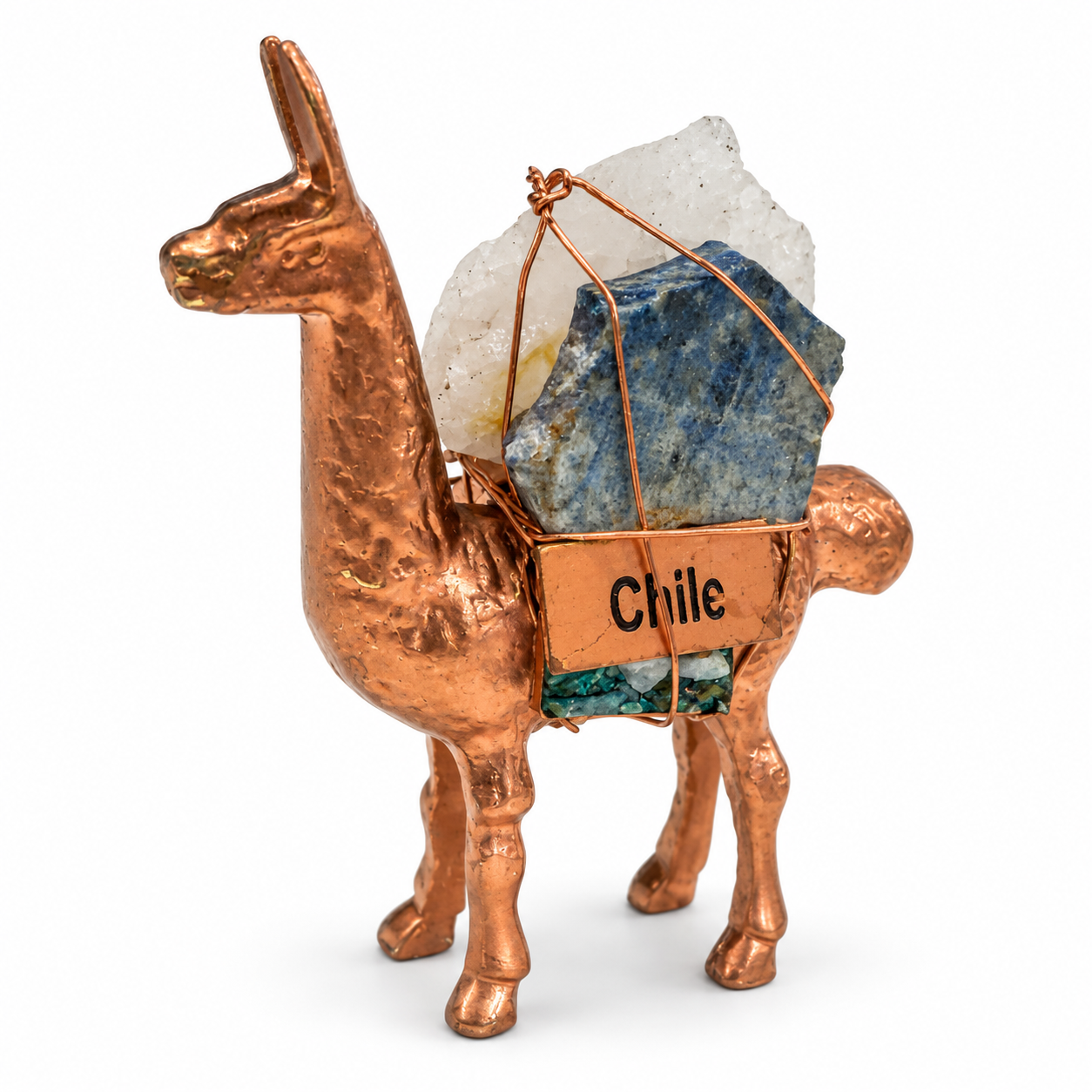
CHILE – A LAND OF COPPER AND ANCIENT JEWELRY-MAKING TRADITIONS
Copper holds a special place in Chile. It is one of its most significant mineral resources, but its story does not begin with modern mines. The original inhabitants of what is now Chile processed it and used it to make personal ornaments long before the arrival of Europeans.
Copper ornaments of the Diaguita culture: The collections of the Natural History Museum in Concepción include copper earrings, chest ornaments, discs, and a bracelet from the Diaguita culture.
They show that copper had its place in pre-Columbian body adornment.The museum also notes that bracelets were relatively uncommon in pre-Columbian Chile. It is therefore inaccurate to describe today’s copper bracelets as a shared tradition among all Indigenous peoples.
Millennia-old earrings from Araucanía: Nine copper earrings associated with the Pitrén culture, approximately a thousand years old, were found at the Labranza site.
Examination of part of the sample confirmed the use of high-purity copper.These small ornaments are a beautiful testament to ancient craftsmanship: people were able to work metal and create objects of personal adornment from it long before European influence.
Copper and the Mapuche: The Mapuche are also known to have made copper ornaments from sheet metal. Their renowned silversmithing later built on this earlier experience.
Today's copper jewelry can thus evoke the long history of metalworking in this part of the world. Archaeological finds, however, do not by themselves confirm that the ornaments were worn for their healing effects.
HISTORY AND INTERESTING FACTS
A metal associated with Cyprus: The Latin name cuprum, from which the chemical symbol Cu is derived, is linked to Cyprus, an important source of copper in ancient times.
Copper helped shape human history: It was one of the first metals to be worked. Its alloy with tin—bronze—became so important that it gave its name to an entire historical era.
Connection to popular minerals: Copper is part of the chemical composition of malachite, azurite, and turquoise. Different compounds of the same element thus help create the surprisingly diverse colors of the mineral world.
Patina as a mark of time: The fresh surface of copper has a reddish metallic sheen. Over time, it may darken and, under suitable conditions, develop a green patina. Its appearance depends on the environment and corrosion products.
CLEANING AND CHARGING
Practical care: Copper is relatively soft, so protect it from scratches and sharp bends. Wipe the jewelry with a soft cloth and store it in a dry place. If washing is necessary, briefly use lukewarm water and mild soap, then dry thoroughly.
For painted, plated, or intentionally patinated products, follow the manufacturer's instructions. Acidic cleaners, salt, and abrasive polishing can alter or damage the surface. Do not leave jewelry in water or a salt bath for extended periods.
Symbolic cleansing and charging: For a personal ritual, you can place the copper in a dry spot under the moonlight, beside a crystal, or hold it in your palms for a moment and focus on your intention. It is a spiritual practice, not a measurable change in the properties of the metal.
GREEN MARKS ON THE SKIN
A copper piece of jewelry may leave a greenish discoloration on the skin when it comes into contact with sweat and cosmetics. They can usually be washed off with soap and water. This is not evidence of toxins leaving the body or of copper being replenished in the body.
If itching, redness, or a rash occurs, remove the jewelry.
PLACEMENT AND PERSONAL USE
You can wear copper as a bracelet, ring, or pendant. The mineral specimen can be displayed in a collection or placed in a space intended for meditation. When combining them with stones, choose based on appearance and personal significance.
Do not prepare drinking water elixirs from jewelry or mineral specimens.
AFFIRMATION
“I remain firmly connected to the earth, open myself to life, and make room for what fulfills me."
MINERALOGICAL DATA
- Czech name: copper, native copper.
- English name: copper, native copper.
- Chemical symbol and composition: Cu.
- Classification: chemical element; native copper is a mineral from the native element group.
- Crystal system: cubic.
- Hardness: approximately 2.5–3 on the Mohs scale.
- Color: copper-red, brown on weathered surfaces, sometimes with colorful coatings.
- Luster: metallic.
- Transparency: opaque.
- Properties: malleable, ductile, conducts heat and electricity very well.
GEOLOGICAL FORMATION AND OCCURRENCE
Native copper can occur in hydrothermal veins, cavities in volcanic rocks, and in certain altered sections of copper deposits. It forms irregular masses, branched structures, and crystals.
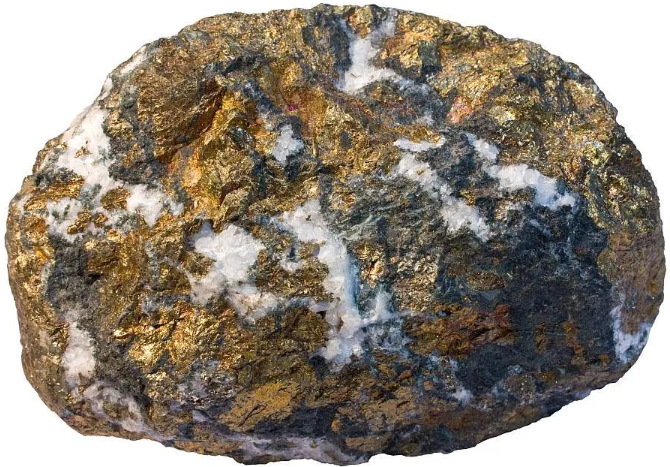
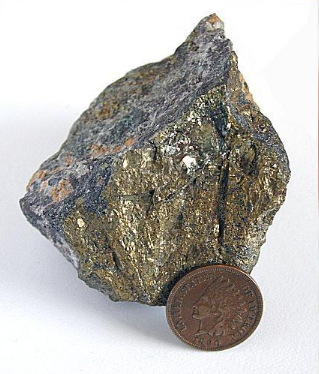
However, most copper produced industrially comes from ores, not from deposits of pure metal. Chalcopyrite is an important copper ore.
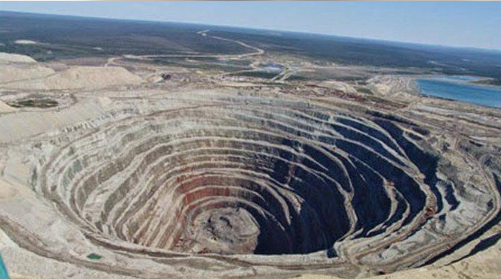
Chile is one of the world's most important copper-producing regions. The regions of Michigan and Arizona in the USA are also known for collectible native copper finds.
Copper reminds us that beauty, malleability, and strength can coexist.


