/search_thin.svg)

/user.svg)
/cart.svg)
E-mail: info@energetickekameny.czTelefon: +420 606 647 298
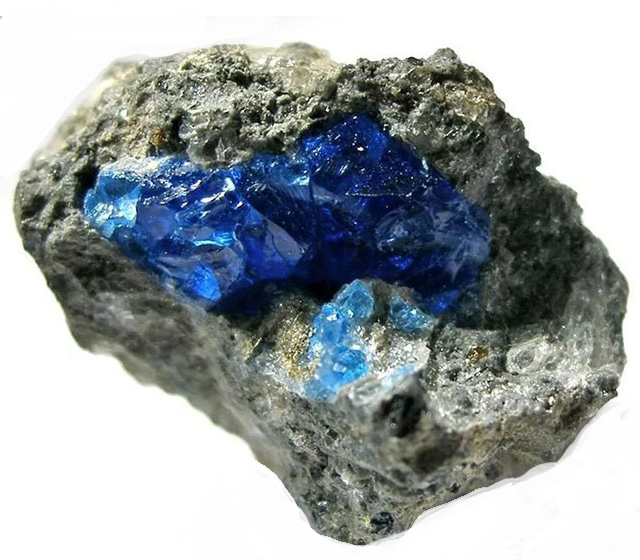
HAUYN / HAUYNE, Tears of Vesuvius – rarity – blue beauty – volcanic origin
HAYUINITE / AYYUIN STONE PROPERTIES, CALM - RELEASE - ANALYSIS
hauyne is called the tears of Vesuvius – in memory of the inhabitants of Pompeii who died during the eruption of this volcano, wearing the stone balances emotions, lifts you out of depression, suppresses anxiety
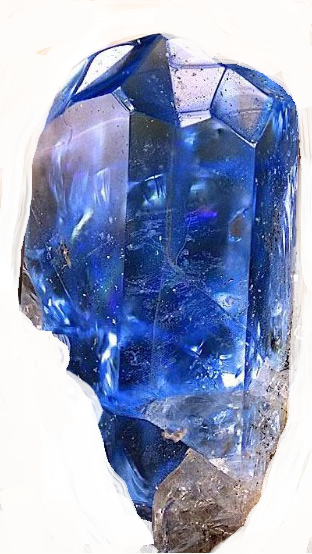
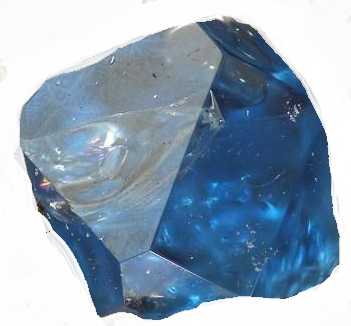
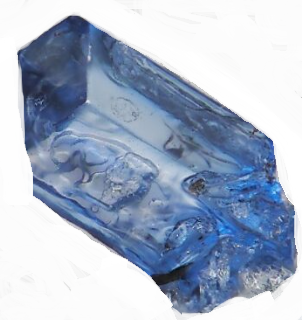
Stones in shades of deep blue:
- is proven effective during meditation or deep concentration
- helps organize thoughts, calmly analyze a situation, and leads to the right decision
- is suitable for an office or living room. The magic of the stone will have a beneficial effect on those present
Stones in shades of yellow or pink:
- help connect with the other world
HEALTH EFFECTS
- stabilizes the nervous system
- helps with diseases of the upper respiratory tract
- neutralizes inflammation of the kidneys and the urogenital system
- eliminates dermatitis and other skin problems
CLEANSING AND CHARGING
Gayuin is quite hard, but brittle. In bright sunlight it may fade; if dropped or struck, it will break. Given these characteristics, you must take care of it.
- it should be washed once a week under lukewarm running water
- afterwards, it is recommended to recharge it in a bowl of water, into which it is immersed together with a crystal, or to recharge it together with rock crystal or in sunlight
ZODIAC SIGNS
universal stone, suitable for a person of any zodiac sign,
- for the magic to work, it must be used by a single owner
- you cannot gift the stone again, except when passing it on as a family heirloom
COLORS
- typical natural hauyne appears as a transparent or translucent aggregate predominantly in shades of blue
- the blue color is the main characteristic by which natural hauyne can be easily distinguished.
- deep blue like sapphire, pastel blue. Sometimes they come across red, yellow, white, and black stones
- after cutting, a sheen appears - pearly luster to glass
Outwardly, this gemstone resembles a top-grade sapphire. However, the hauyne stone is a distinct mineralogical unit. Because of its rarity, it is more expensive than blue corundum
SITE
- a gemstone is rare, beautiful, fragile, expensive.
- it is located near extinct volcanoes
- solid deposits are found in Italy, Germany (in the area around the Eifel Mountains, specimens larger than 3 mm occur), Spain, the USA, and China. Raw materials are extracted in Transbaikalia on the territory of Russia.
HISTORY AND TRADITION
Haüyne is a mineral from the tectosilicate group, specifically a member of the sodalite group.
The first samples of the mineral were found in the lava of Mount Vesuvius (Italy). In 1807, Theodore Brun described the mineral and proposed that it be called hauine in honor of René Just Haüy. This French scientist went down in history as the founder of crystallography and the author of fundamental works on mineralogy.The final verdict on this mineral was not reached until 1868, when James Dwight Dana officially established the name hauynite, in Czech it is known as haüyn.
DEFINITION OF AUTHENTICITY
- for hayuin they give out ordinary glass
- you can recognize the original, like any other, by holding it in your hands, the stone will stay warm for a long time
- a natural gemstone leaves a streak of a pale blue or yellow-green shade, sometimes yellow or gray.
PHYSICAL PROPERTIES
According to chemical classification, the mineral hauyne is a silicate of complex composition with a very long formula.
| Formula | (Na,Ca)4-8Al6Si6(O,S)24(SO4,Cl)1-2 |
|---|---|
| Color | Blue, white, gray, yellow, green, pink |
| Streak | Gray, white |
| Luster | glassy, bold |
| Transparency | Transparent, translucent |
| Hardness | 5-6 on the Mohs scale |
| Cleavage | Distinct on {110} |
| Fracture | Rough, conchoidal |
| Density | 2.4 - 2.5 g / cmXNUMX |
| Crystal system | Cubic |
| Refractive index | n=1. | 494–1.509
Classified in the sodalite group, but not as a variety, rather as a separate mineral of volcanic origin.