/search_thin.svg)

/user.svg)
/cart.svg)
E-mail: info@energetickekameny.czTelefon: +420 606 647 298
MOLDAVITE / MOLDAVITE, luck – abundance – fertility – harmony
MOLDAVITE / MOLDAVITE / STONE PROPERTIES
It has been used since the Stone Age as a talisman or amulet bringing luck and fertility
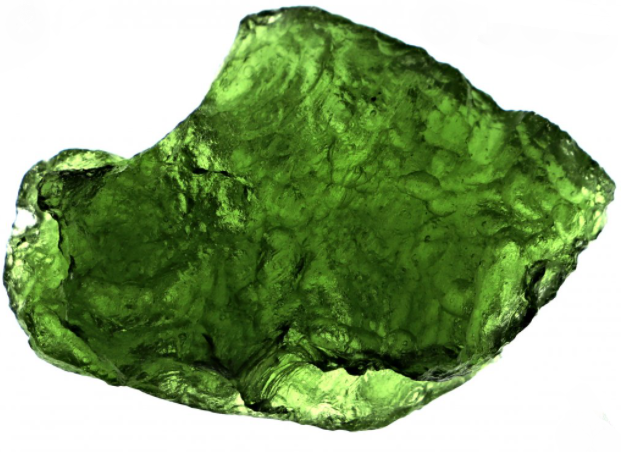
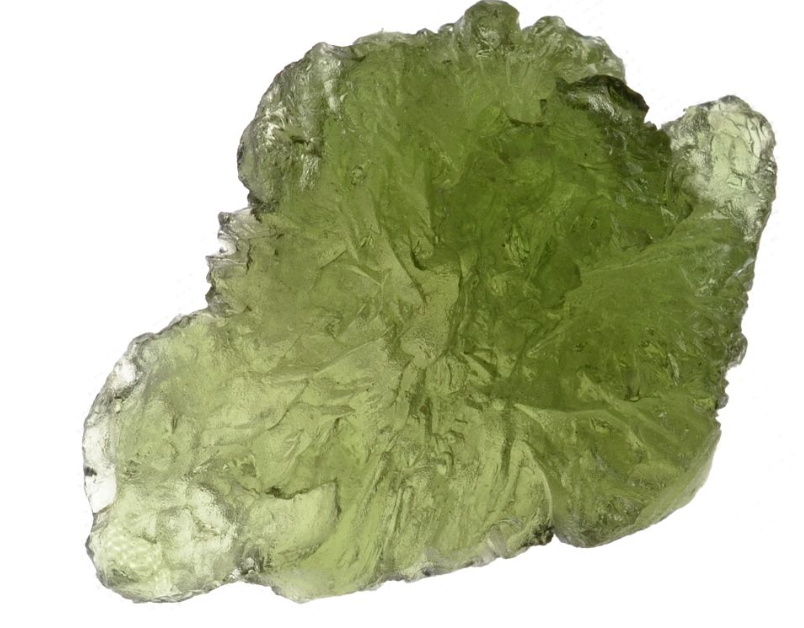
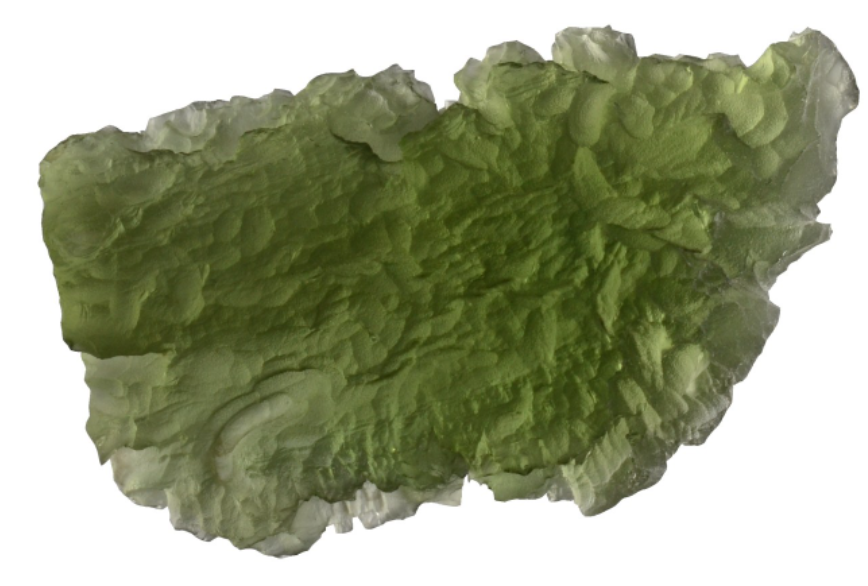
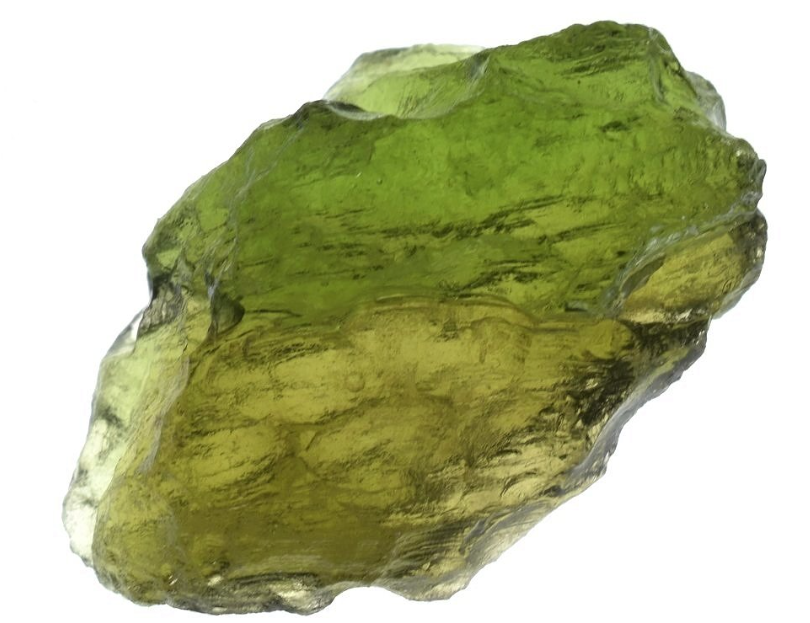
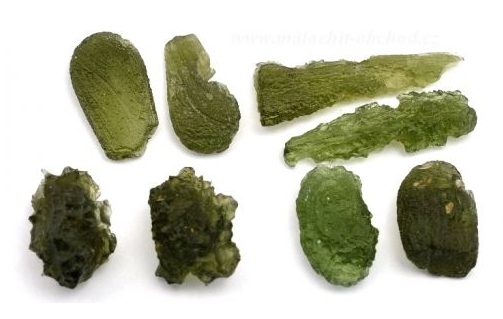
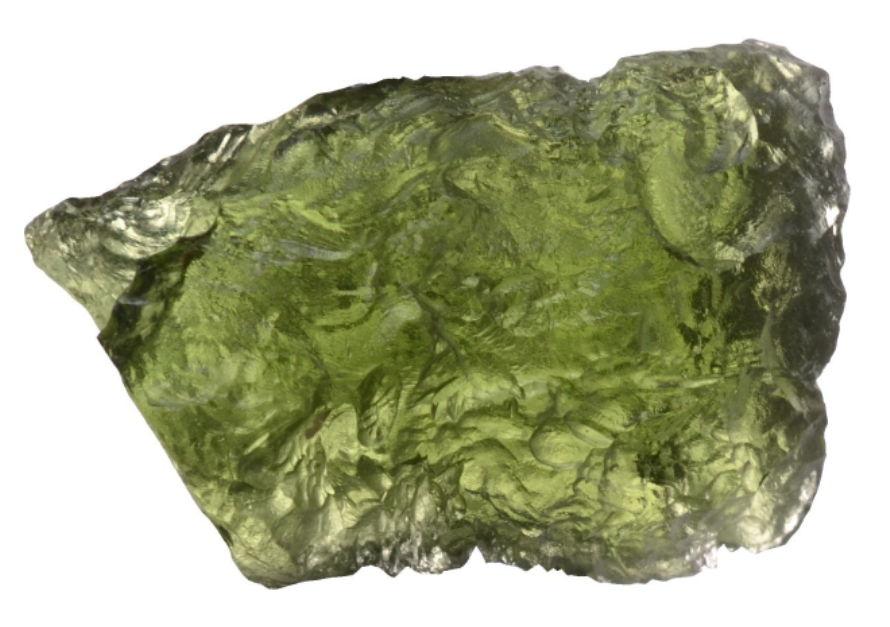
- a stone of luck, abundance, and fertility
- opens and clears various blockages
- relieves burdensome thoughts
- helps you detach from everyday earthly worries, such as concerns about money and fear of the future
- supports the ability for empathy and compassion
- supports everything unconventional and inspiring
- brings unexpected solutions that move you forward
- helps to get rid of obsessive and outdated thoughts
- cancels hypnotic commands
- harmonizes the chakras
- a stone that can transcend time
Placed on the third eye, moldavite allows you to move forward into the future or back into the past, so that you may ease present suffering or understand the meaning of what takes place between individual incarnations.
- helps the transformation and healing of the Earth itself, and that the time has come for us to begin using the energy hidden within this crystal more wisely
- activates other crystals, stimulating them to higher vibrations
HEALTH EFFECTS
- can detect an illness that has not yet manifested and even stimulate the body to deal with the illness on its own - healers often use a moldavite pendulum for this purpose
- draws attention to the gift that some illnesses may bring
- can be used as an aid in determining a diagnosis
- can strengthen our intuition and rational perspective on our surroundings as well as ourselves
People who do not like its dark green color often do not like emotions, and therefore need to experience unconditional love and a sense of belonging. In some cases, the cause may be a once-experienced and now hidden emotional trauma, which must be brought to the surface and healed. But additional crystals are needed for that.
CLEANING AND CHARGING
- Rinse in lukewarm water. Do not clean with salt!
- We leave moldavites to recharge in gentle sunlight or at night during the waxing moon or under the full moon
TALISMAN AND SPELLS
Moldavite is by no means considered a New Age stone, because it carries the energy of an extraterrestrial world, which, in combination with the vibrational energy of our planet, can produce a powerful healing and spiritual frequency range.
- Moldavite carries the energy of an alien world, which, in combination with the vibrational energy of our planet, can produce a powerful healing and spiritual frequency range.
- As long as the moldavite bracelet is worn on the wrist, its enormous energy can not only help people eliminate fatigue.
- And applying a magnetic field of a certain intensity to the affected part of the human body or the corresponding meridians can relieve some pain, such as acute sprains and bruises, lumbar muscle strain, neurological headaches, and some arthritis.
- It can also help people lose weight and improve the effectiveness of healthy weight loss.
- In general, the longer the bracelet lasts, the more noticeable the effect will be.
ZODIAC SIGN: Gemini
PLANET: Moon, Sun
ELEMENT: Water
CHAKRA: heart, crown, forehead
COLOR: Moldavites are renowned for their beautiful coloration and are divided into six basic shades: pale green, light green, bottle green, olive green, brown, and poisonous green. Their coloration is caused by cations of iron, titanium, and probably also manganese.
TWO-COLORED MOLDAVITES
Finds of two-colored moldavites are rare. These moldavites were described, for example. By Soukeník (1964), Bouška (1965), King and Bouška (1968). The interface between the two colors is sharp in most cases, and the differing parts confirm a certain degree of inhomogeneity.The formation of two-colored moldavites apparently occurred through an in-flight collision of a non-homogeneous swarm of moldavites, when their glass was still in a plastic state, but had already acquired an almost final aerodynamic shape.
The name comes from the Greek "tektos" - molten). In its composition, it is closest to obsidian, which, however, contains up to 2% water (moldavite and other tektites are almost water-free). Tektite names are most often derived from the place where they are found. Among the most famous and earliest recognized are moldavites (Vltavíns). The first site was Týn nad Vltavou, and the first mention of moldavite from Moravia (from Kožichovice) comes from Dr. František Dvorský from Třebíč, writes about him in 1880 and 1883. Other global occurrences of tektites include the Texas bediasites and georgiaites from the USA, tektites from Southeast Asia, Indonesia, and the Philippines (indochinites, javanites, billitonites, philippinites), from Australia (australites), and from the Ivory Coast (Eng. Ivory Coast, so-called ivority).The only currently known tektite that is translucent and beautifully green is our moldavite. This is a world unique.
HISTORY AND TRADITION
A beautiful tradition associated with moldavites has emerged in South Bohemia. Every man who wanted to marry his beloved had to give her a moldavite as a wedding gift. Moldavite was perceived as proof of the feelings a man has for a woman. Moldavite is a mysterious, purely Czech gemstone. Historically, it was considered to be glass meteorites, tears shed by comets, or a fragment of the Moon that fell to Earth. Its special properties, origin shrouded in mystery, and the very narrowly localized occurrence of its deposits make it a global unique.
- It was known as early as the Stone Age. Natural glasses, such as moldavite or obsidian, have sharp edges when broken, so they can be used as a primitive knife. Prehistoric people knew this very well, and since no occurrence of obsidian was known in our territory, they used moldavites for this purpose. These gemstones thus became objects of daily necessity in the processing of food and hides, as well as in the production of arrowheads and other weapons.
- Then moldavites fell into oblivion or perhaps lost their appeal, and so we have no mentions or preserved jewelry with moldavite from antiquity and the Middle Ages. They only gained the greatest popularity in jewelry making during the Art Nouveau period.
People already knew moldavites in the Stone Age, when they used them to make chipped tools. The first mentions of moldavites in our country date back to 1774, when Count František Josef Kinský found greenish irregular formations near Týn nad Vltavou, which he called chrysolites. Many decades later, in 1836, F., the curator of the collections of the Patriotic Museum in Prague (now the National Museum), deduced X. M. Zippe gave these glasses the name moldavite (from the German Moldau – Vltava).There followed much speculation about what the peculiar glass formations should be called; among the names proposed at random were, for example, moldawec and vltavec (belonging to the "variety of anhydrous flints").It was not until 1891, on the occasion of the Jubilee Provincial Exhibition in Prague, that the name moldavite appeared in the press.And in 1900, the Austrian geologist F. proposed E. Suess classified moldavites and other natural glasses under the collective name tektites.The path to the current name of this fascinating natural glass, as well as to its classification, has been completed.
It is one of the forms of tektites, which are attributed an extraterrestrial origin related to the impact of a gigantic meteorite on Earth. The heat caused by the impact of the celestial body melted the surrounding rocks and scattered them over a great distance, where today’s deposits were formed. Moldavite therefore represents the fusion of extraterrestrial energies with Mother Earth. This is a rare stone. It is currently found along the banks of the Vltava River, and it is unlikely that a new deposit will be discovered anywhere else in the world. Over time, the resources of this crystal will be depleted.