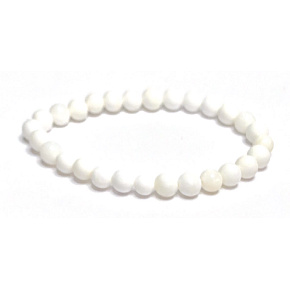
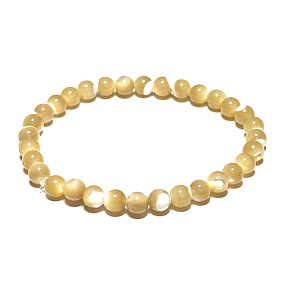
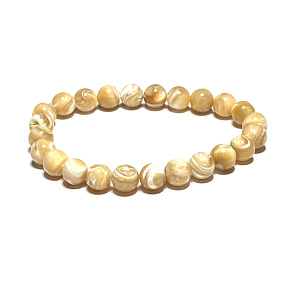
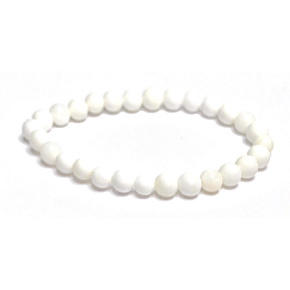
TRIDACNA / TRIDACNIDEA SHELL / GIANT CLAM SHELL / ABILITIES PROTECTION-PEACE-PURITY
Tridacna is not only beautiful, but also a strong symbol of peace, protection, and spiritual growth.The largest living bivalve, one of the most endangered
Calm and harmony – Tridacna is associated with inner peace, balance, and protection from negative energy.
Protection and spiritual cleansing – In many cultures, Tridacna mother-of-pearl is used as an amulet against negative influences and to strengthen the aura.
Wisdom and spiritual growth – In Buddhism, it is considered a stone of enlightenment and helps with meditation.
Purity and innocence – The white mother-of-pearl of Tridacna symbolizes spiritual purity and a connection to higher energies.
- drives evil spirits from our minds
- brings peace and harmony
- no more mood swings
- relieves tension
- induces restful sleep
INTERESTING FACTS
- The mother-of-pearl of this shell is one of the whitest in the world and is often used as an alternative to real pearls.
- Tridacna can live up to 100 years and grow to a size of over one meter.
- Its natural ability to filter water makes it an important part of the coral reef ecosystem.
COLOR: Various shades, usVarious shades, usually blue, brown, yellow, gray, green
APPEARANCE: Large, massive
OCCURRENCE : Indian and Pacific Ocean, coral reLarge, massive shells; can reach a diameter of up to 120 cm and a weight of over 200 kg
LOCALITY: Indian and Pacific Ocean, coral reefs, especially near the Philippines, Australia, Borneo, Philippines , South China SeaPhilippines, South China Sea, Pacific Ocean, India, Australia
HISTORY AND TRADITION
Tridacna shells are known as one of the seven treasures of Buddhism. Buddhists believe that these shells and products made from them can protect you from evil spirits and provide spiritual strength and stability. According to South Asian legends, Tridacna shells help calm the nerves and alleviate insomnia. These pure white shell beads are believed to help stabilize mood swings while also getting rid of excessive worries that burden the mind.
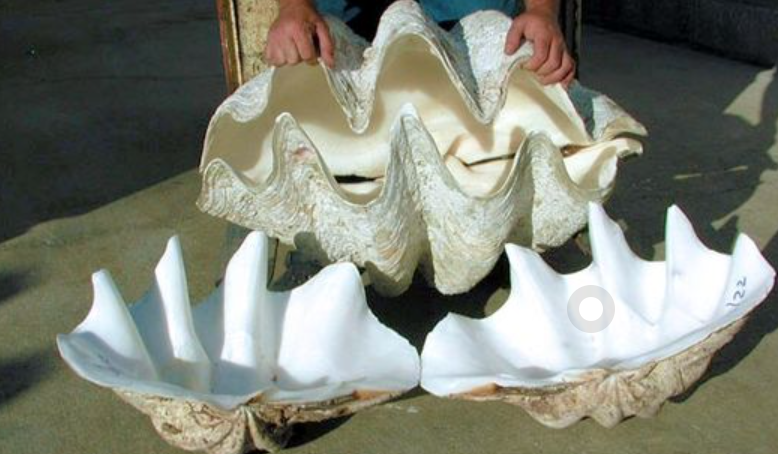
Giant clam (Latin: Tridacna gigas) is the largest living bivalve. It grows to a size of up to 1.2 meters, weighs up to 200 kilograms, and lives for more than one hundred years. They feed on algae, phytoplankton, and zooplankton. The giant clam is one of the most endangered species of clams. The first mentions of this species date back to 1825. However, the number of mussels is rapidly decreasing, and in many places where they were still common just a few years ago, they have completely disappeared. Interestingly, no two giant clams are colored the same.


- Its natural habitat includes coral reefs in the warm shallow waters of the Indian and Pacific Oceans (it usually lives about 15–20 meters below the surface). They also live off the coasts of the Philippines, where they are called taklobo.
- When young, the giant clam is almost indistinguishable from other species of the clam family. The adult giant clam has 4–5 vertical folds on its shell, which distinguishes it from the otherwise very similar Tridacna derasa, which has 6–7 of these folds.
- The largest known specimen was a giant clam that was discovered around 1917 on the northern coast of Sumatra. It measured 137 cm and the weight of both shells was 230 kg. However, she was already dead. Today, this specimen is on display in a museum in Northern Ireland.
- This species feeds on algae, which it filters through a filter.Clams are capable of cultivating algae in a specialized circulatory system, which allows them to maintain a substantially larger number of symbionts per unit volume. If it turns over and no light falls on its shell, the algae may die. The yawn then changes color and starves until it gets into the correct position.
- Giant clams reproduce sexually, begin life as males, at the age of eight they are hermaphrodites (producing eggs and sperm), after which they change into females. Self-fertilization is not possible, however. They do not seek out a partner of the opposite sex themselves; their eggs and sperm float freely in the water and then fuse.
- The fertilized egg floats in the sea for about 12 hours, after which the larva hatches. As soon as this happens, it begins to produce a chalky shell.


/search_thin.svg)

/user.svg)
/cart.svg)

/heart.svg) Favorite
Favorite/compare.svg) Compare
Compare