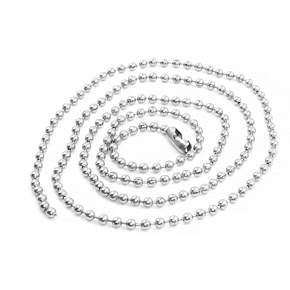
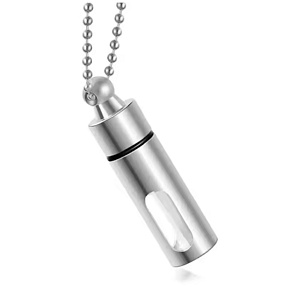
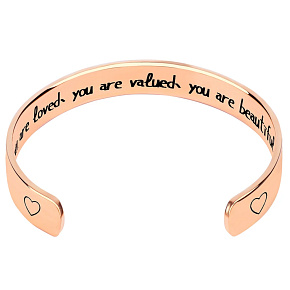
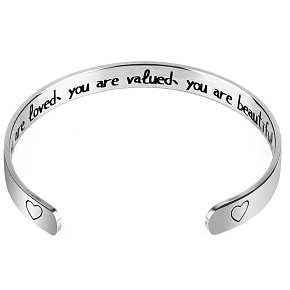
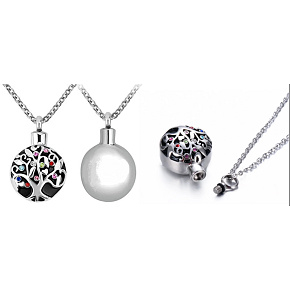
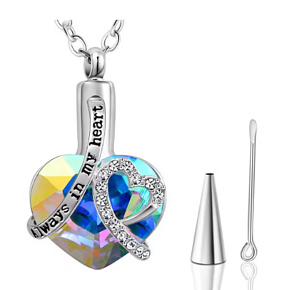
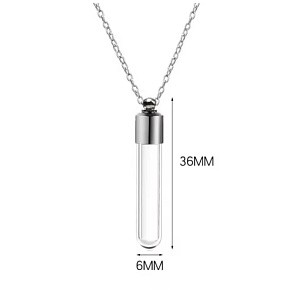
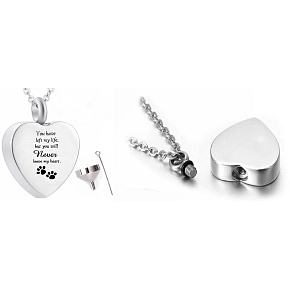
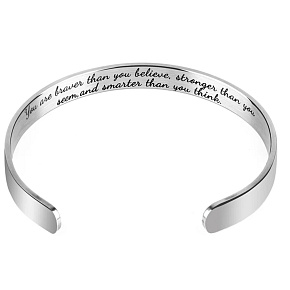
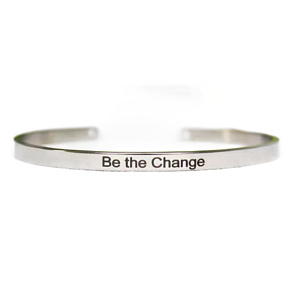
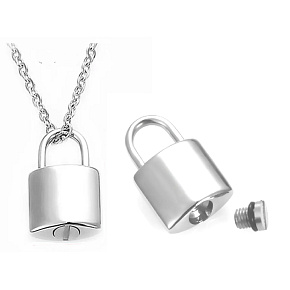
SURGICAL STEEL CAPABILITIES
Surgical steel is an interesting material that has a whole range of advantages.
- hypoallergenic, i.e., that it does not cause any allergic reactions
- colorfast, does not change its color
- highly resistant to abrasion and scratching
- affordable
CLEANING
- surgical steel requires virtually no maintenance, it is only necessary to make sure that it is not unnecessarily often exposed to the effects of e.g. dishwashing detergents and other chemical substances; likewise, it is necessary to be cautious of bathing in waters containing sulfur (e.g. in thermal baths), water of this composition may damage surgical steel
- if surgical steel needs to be cleaned, simply wiping it with a damp cloth or tissue is entirely sufficient; care should be taken if a stone is set in the steel. In such a case, there is a risk of disrupting the structure of the adhesive and causing it to fall out. The steel itself, however, is not harmed by such treatment in any way.
COMPOSITION
Surgical steel is extremely durable and is a relatively lightweight metal. It is environmentally friendly. The production of surgical steel generates much less waste and uses less energy than the production of other metals; among other things, surgical steel is 100% recyclable.
Surgical steel is an alloy of metals (a mixture) of iron, carbon, and chromium. The addition of chromium turns steel into bright, shiny, and highly resistant stainless steel. Other metals, such as manganese and nickel, are also added to the mixture in some cases. Although surgical steel is extremely durable, it is also a relatively lightweight metal.
Surgical steel refers to a special refined steel defined by a technical standard, which in Europe is designated (EN) 1.4404 and in the United States (ASTM) 316 L. Surgical steel consists of several metallic elements in addition to carbon. As for metals, it contains iron, chromium (16–18%), nickel (10–12%), and molybdenum (2–3%), of course in a precisely specified ratio. In addition to these elements, the material also contains small amounts of elements such as sulfur, nitrogen, or phosphorus.
DIFFERENCE BETWEEN SURGICAL STEEL AND STAINLESS STEEL
How stainless steel and surgical steel differ from each other. Every surgical steel is stainless, but not every stainless steel is surgical. Surgical steel is a type of stainless steel.
316 stainless steel or 316L surgical steel
- it is hypoallergenic; the vast majority of people allergic to common metals can wear it (only a small percentage cannot, and they then need titanium jewelry)
- it is the most resistant to corrosion, even in aggressive environments (for example, in salt water)
Stainless steel 304
This steel is also sometimes incorrectly labeled as surgical, and for this reason, if you want to be sure, you need to check the numerical designation.
- it is somewhat less hypoallergenic than surgical steel (but even so, most allergy sufferers can wear it)
- under normal conditions it is also highly durable (for aggressive environments, choose surgical steel instead)
Stainless steels 430 and 210
- less resistant to corrosion
- not hypoallergenic – may cause skin irritation in sensitive individuals
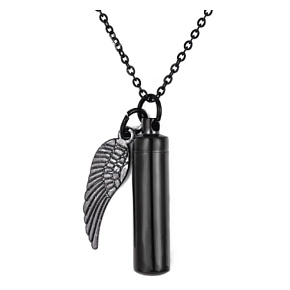
Black, gold, or otherwise colored steel
This modified surface is as durable as the steel itself. It may get scratched or scuffed. The wearer must therefore be more careful with this jewelry if they want it to remain this colorful for as long as possible. Under the colored surface, however, is stainless steel, so if he doesn’t mind that the surface will wear off over time, he doesn’t need to be careful
Those who should be careful, however, are allergy sufferers. The colored surface of the jewelry may not be hypoallergenic. In this case, it is therefore better to choose jewelry without a surface finish, in the original silver design.
HISTORY AND TRADITION
The designation surgical refers to the time when the material was actually used for the manufacture of medical instruments. Although in this area it has often been replaced by other materials in recent years, in many other fields it still maintains a prominent position. This concerns, for example, the food and pharmaceutical industries, petrochemicals, but also construction.
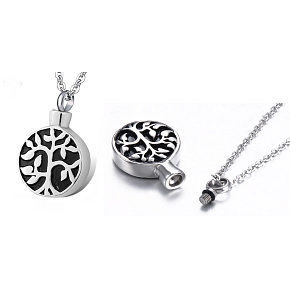
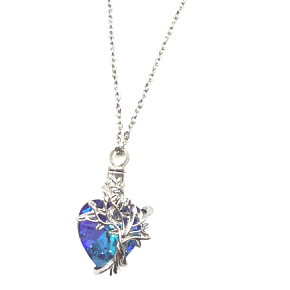
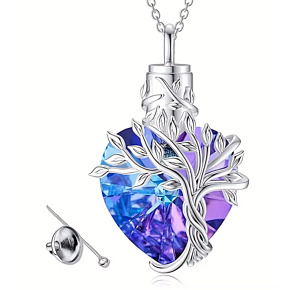
- Surgical steel has also gained great popularity in jewelry making. Today, we probably won’t find a gold or silver piece of jewelry that isn’t also available in a surgical steel version. In addition, it is often used for direct body adornment in the form of piercing, etc.
- Surgical steel excels in several parameters. The first of these that can be mentioned is hardness. This material is practically impossible to break or deform by conventional means. You don't have to worry about your jewelry, as it will be really difficult to damage. The hardness of this type of steel also has one disadvantage, namely the more difficult engraving of ornaments and other relief decorations.
- In addition to mechanical resistance, surgical steel is also highly chemically resistant (it is not used for nothing, for example. on devices immersed in aggressive seawater). Surgical steel therefore corrodes and undergoes oxidation very slowly. Thanks to this, it does not change its surface color, and jewelry or other accessories made from this material remain just as beautiful for a long time as they were at the moment you bought them.
- In addition, the surface of surgical steel can be polished very well, so jewelry made from this material can look truly beautiful, as you can see for yourself, for example, on this website. Especially if it is carried out using the method of electromagnetic polishing. Their surface also does not degrade even under the influence of UV radiation.
- Another reason for the great popularity of surgical steel is its hypoallergenic properties (however, this depends on the exact composition, and some minor admixtures may exceptionally cause allergies). Thanks to the presence of molybdenum, nickel is not released from surgical steel, which is often the primary cause of allergic reactions in the case of other types of steel. Jewelry and accessories made of surgical steel are therefore truly suitable for everyone.
DEFINITION OF AUTHENTICITY
Surgical steel is significantly cheaper compared to precious metals, but that does not mean that counterfeit versions do not appear. There are quite a few of them, especially at marketplaces. These are mostly accessories made from some lower-quality type of metal, coated with a higher-quality surface layer. Accessories like these, sold at a truly minimal price, get damaged very quickly, the top layer gets compromised, and the accessory is fit only for disposal. However, distinguishing it from genuine surgical steel products is not too difficult. Besides the almost suspiciously low price, they are also characterized by low weight.

/search_thin.svg)

/user.svg)
/cart.svg)

/heart.svg)
/compare.svg)