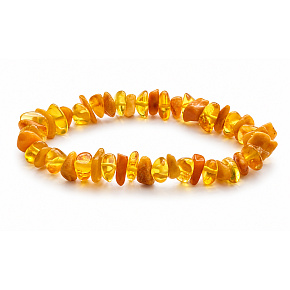
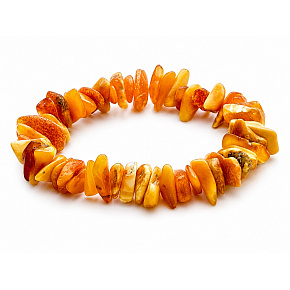
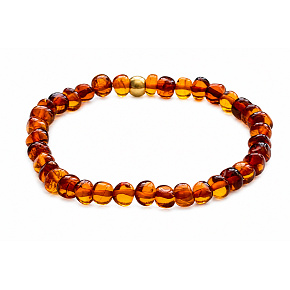
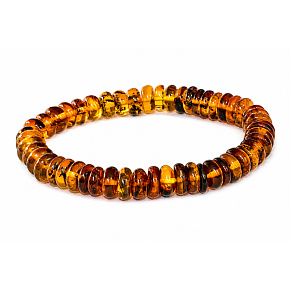
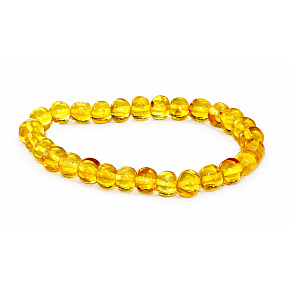
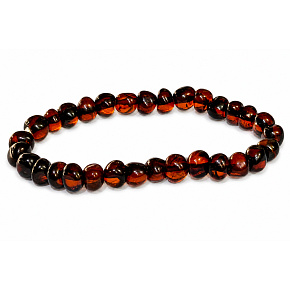
AMBER STONE ABILITIES, KINDNESS - HEALTH - JOY - PROTECTION
talisman of love and partnerships, absorbs negative forces, encourages wisdom, promotes joy, soothes stomach pain, absorbs pain
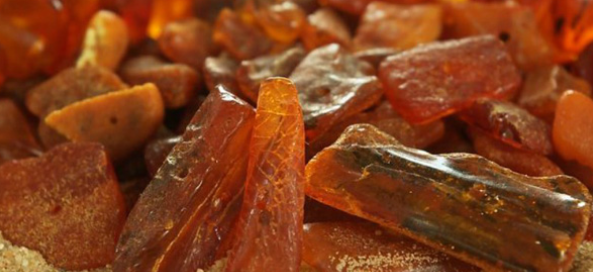
Amber is not actually a crystal. It is hardened and fossilized tree resin. It has a strong connection to the earth and is a conduit for higher energies; it has strong healing and cleansing power that drives imbalance out of the body and strengthens healing.It also cleanses the chakra environment.
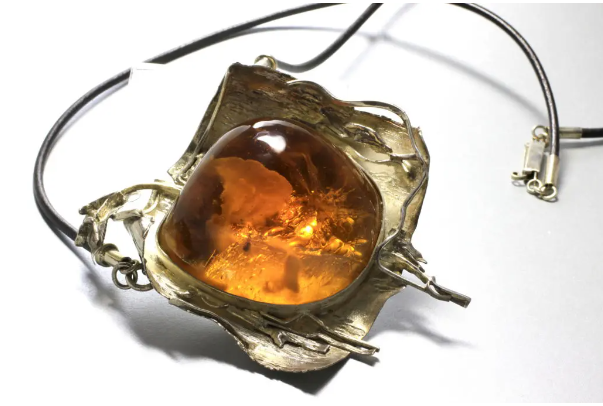
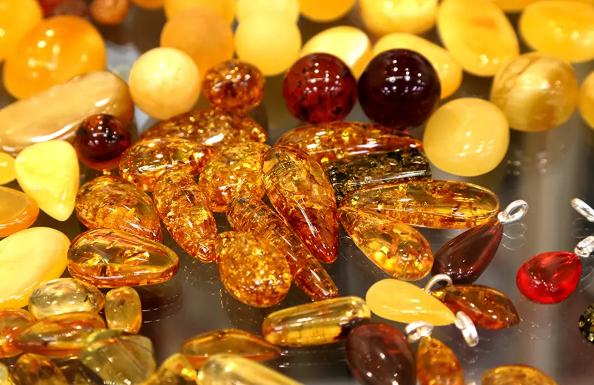
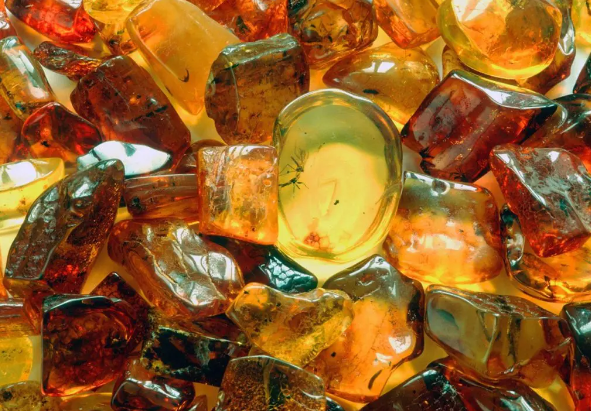
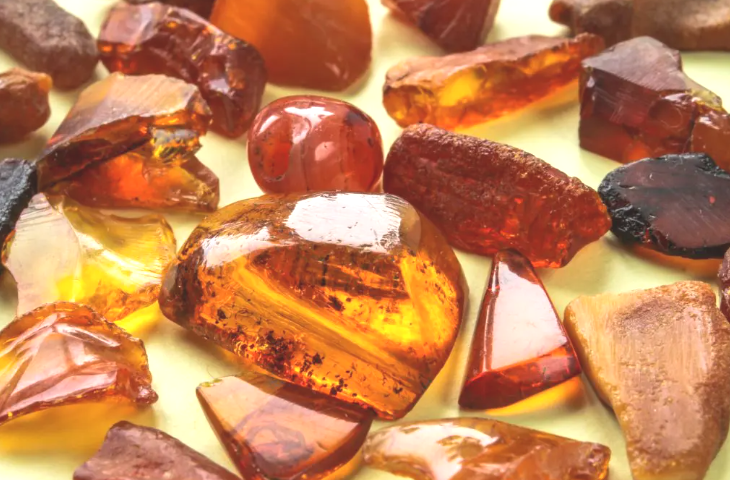
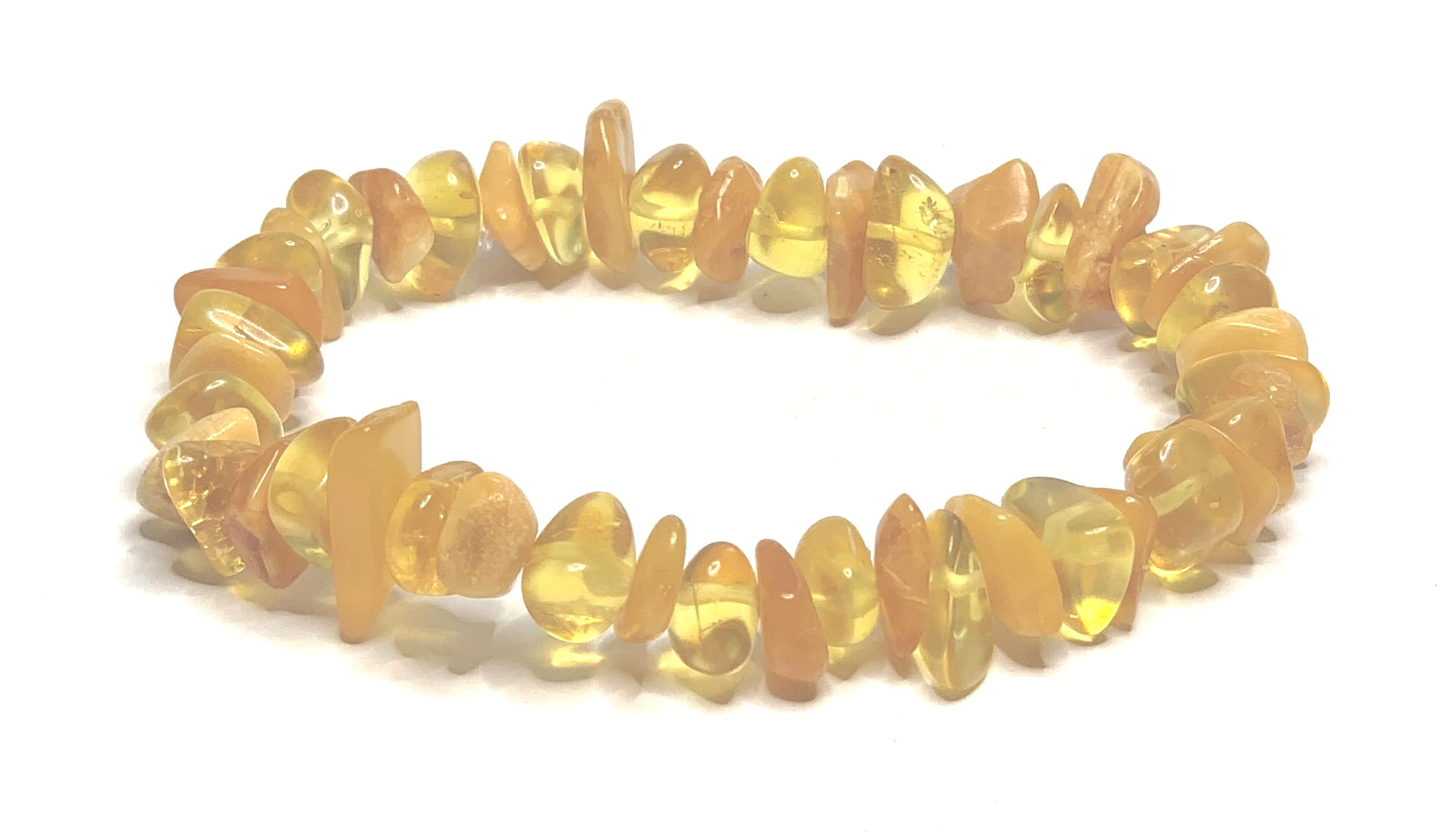
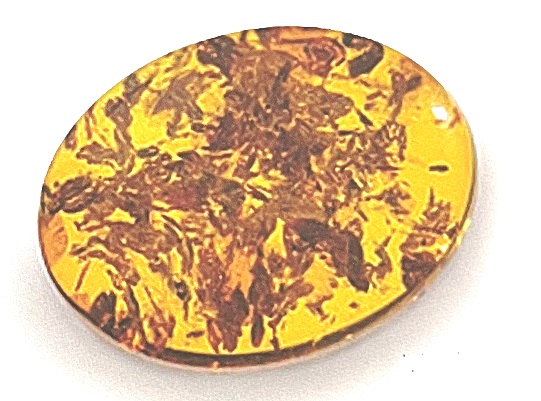
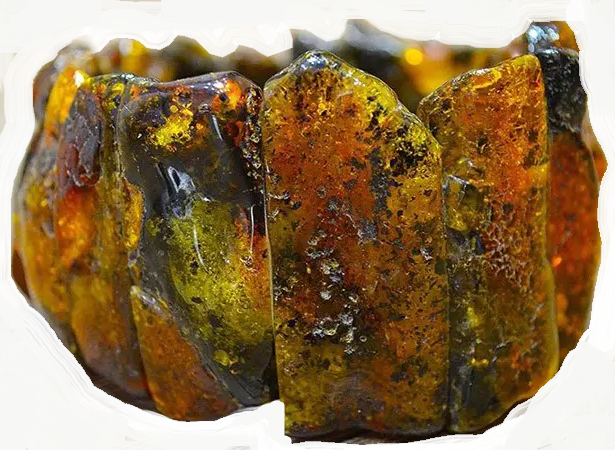
- is very strongly protective and healing
- relieves stress
- protects, absorbs all negative forces, and cleanses the environment
- encourages wisdom and prompts self-expression
- encourages cheerfulness, carries away negativity
- a powerfully cleansing stone, brings wisdom
- encourages compassion
- relieves depression, cleanses the environment, transforms negative energy into positive
- stimulates a positive mindset
- in Feng Shui it represents the energy of water, the energy of silence, the power of calm and cleansing
Interesting: black amber is worn by magicians and witches, who consider it the most powerful protector in rituals.
HEALTH EFFECTS
- improves the functioning of the brain and central nervous system,
- alleviates chronic fatigue, reduces stress
- draws illness out of the body, soothes toothache, earache, and rheumatism
- supports the endocrine system
- relieves stomach problems, heals the bladder, kidneys, liver, and gallbladder
- treats the thyroid gland, calming it in cases of overactivity or underactivity
- helps with joint problems
- essentially has antibiotic effects
It is better to buy products made from medium-sized minerals.
- if a child wears amber beads, teething will be much easier and the pain will disappear
- it is useful to wear jewelry if you are overweight or have metabolic disorders
- a brooch will help solve breathing problems and cure colds, including chronic ones
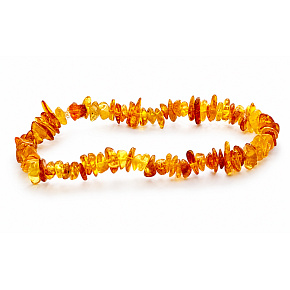
- if you have thyroid problems, it is recommended to wear short beads made of raw stone.
- the green stone improves eyesight and hearing, and also helps with pathologies of the heart and blood vessels, the nervous system, and the gastrointestinal tract
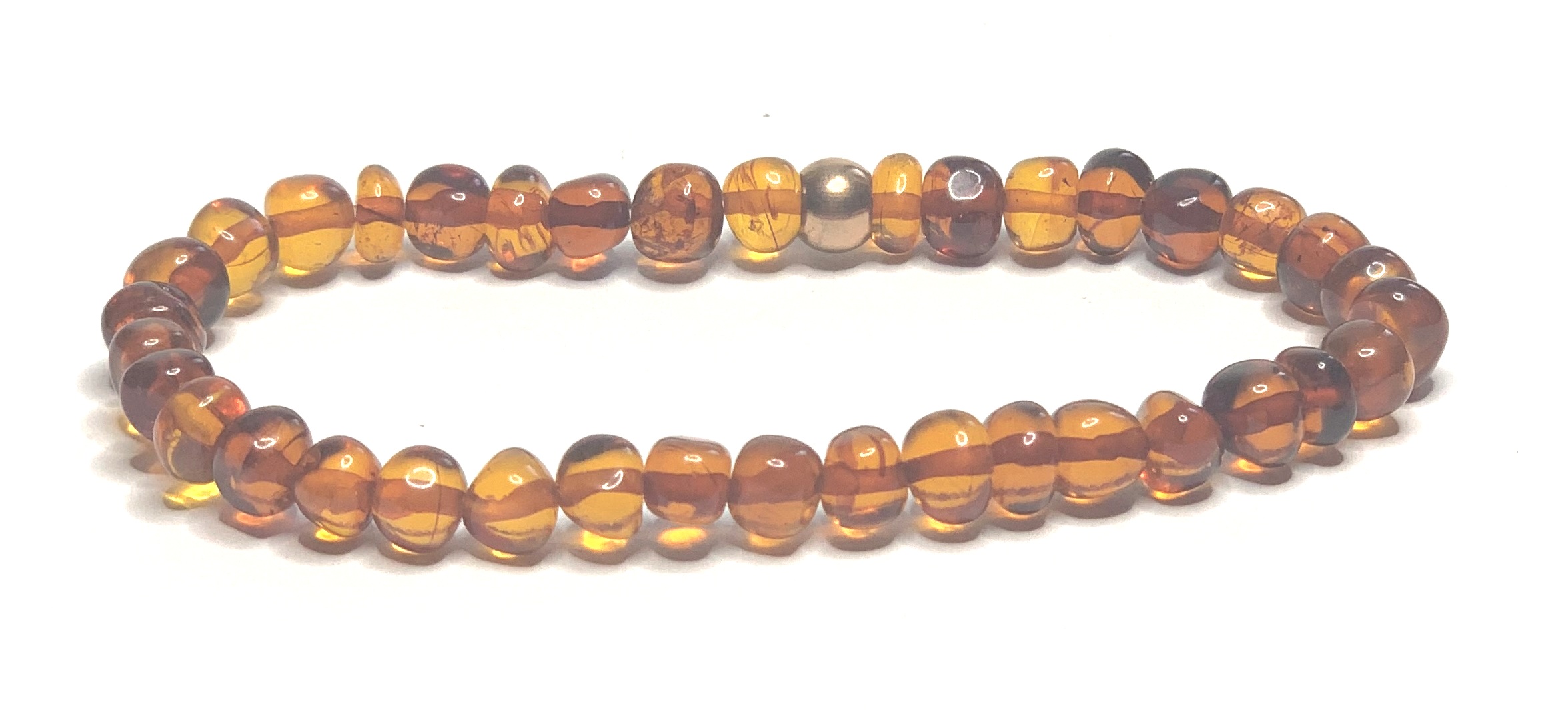
- to get rid of allergies and rashes, it is enough to wear a bracelet or beads
- to restore the function of the stomach and intestines, it is enough to make an amber infusion.
AMBER INFUSION
To do this, you need to place the stone in water for 2 weeks and then drink 50–100 grams daily - it is recommended to keep the liquid in a sunny place in the house
As an elixir, it is used for healing injuries, as it is an excellent natural antibiotic
LOCATION
Amber contains aromatic substances that are released by heat, so it is recommended to wear it on bare skin or expose the beads to sunlight. It then supplies the body with energy.
- worn for a longer period of time, especially on the wrist or around the neck
- in the case of newborns or small children, it is advisable for the mother to wear the amber first
CLEANING AND CHARGING
- since amber is sensitive to sweat and cosmetic products, we should not wear it permanently directly on the body
- clean briefly under running lukewarm water.
Due to its high sensitivity to heat and sunlight, we charge it only in indirect sunlight
ELEMENT: fire, water
CHAKRA: 3
ZODIAC SIGNS
Amber has practically no contraindications according to the horoscope; it suits all zodiac signs well.
- The exception is Taurus. But here too, you can replace the mineral with a very well-processed or compressed version.
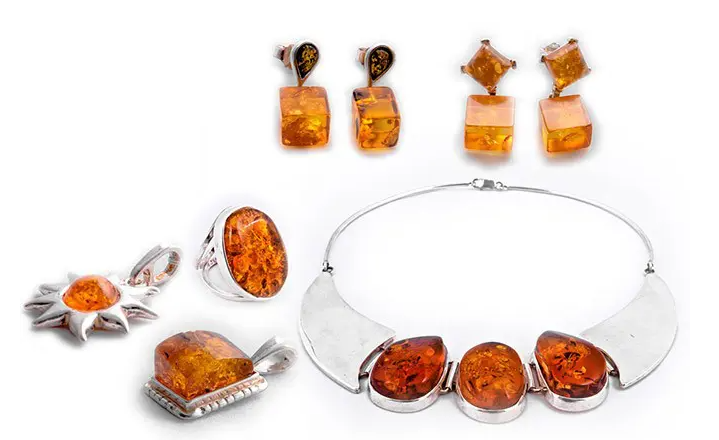
- Earrings and rings with amber are especially recommended for Leo women, and men of this sign may purchase cufflinks with this mineral. This is their stone, which brings health and strength, develops intuition, and protects against the evil eye and negative influences.
- For the “water” signs (Cancer, Pisces, Scorpio), it is better to choose transparent stones, which will bring benefits in the form of new feelings, clarity, and a surge of strength.
- Aquarius is better off buying a mineral interspersed with air bubbles.
- Capricorn opt for cloudy and subtly yellowish white options.
- Gemini to achieve balance, you should choose amber in calm shades.
- Yellow and golden minerals, symbolizing health and joy, are desirable for the zodiac sign Virgo,
- large specimens are suitable for Sagittarius and Aries
VARIETIES AND COLORS
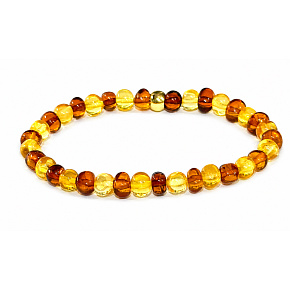
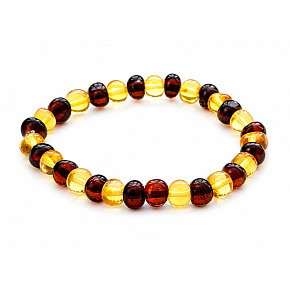
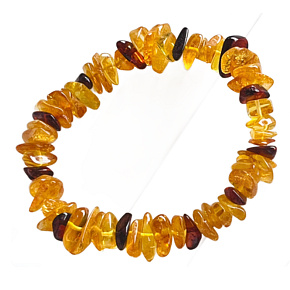
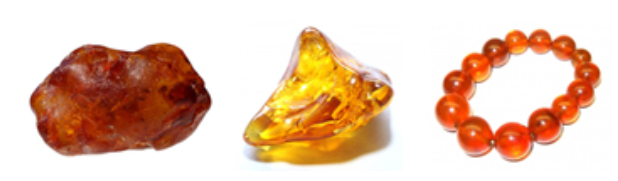
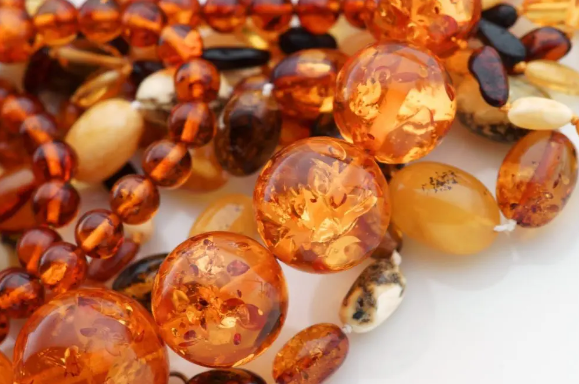
Amber is one of the most famous and popular stones, it has 300 varieties and colors, and is widely used for healing and rejuvenation as a talisman. Almost every woman has sunstone jewelry.
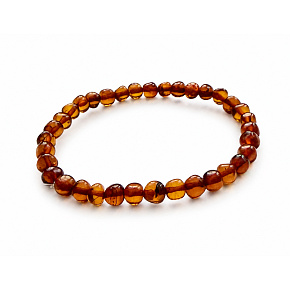
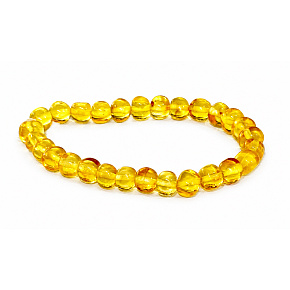
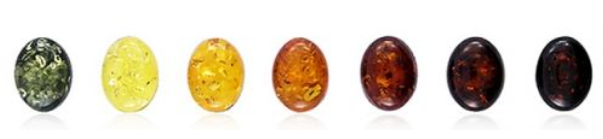
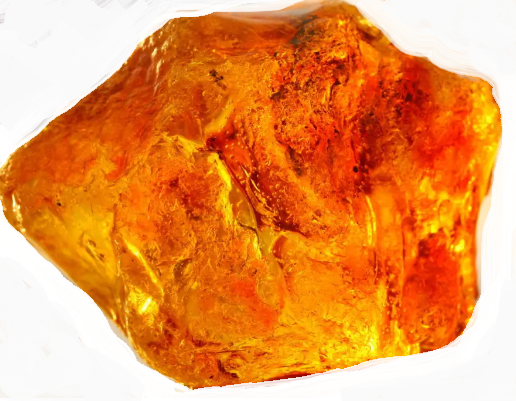
The classic palette ranges from yellow to brown, which is why amber was called the “sun stone.” However, there are also other beautiful, rare colors created by nature itself.
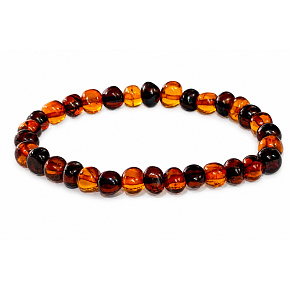
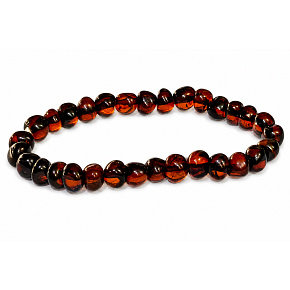
- orange, brownish-yellow, white, blue, green, black, red, transparent colorless.
The most common mineral is brownish-yellow, but the red one, or “dragon’s blood,” is very rare. Outwardly, such a gemstone resembles a ruby, which is why it is highly valued. The green hue of the gemstone is caused by an admixture of pyrite or algae. Blue amber is found only in the Dominican Republic. The white mineral is not actually white, but yellowish.
In mineralogy, amber is classified according to types, each of which has its own name:
- Glessit. Opaque brown mineral, practically free of impurities.
- Kiscellite. A green, olive, or yellow gemstone.
- Bockerite. A stone with high density and elasticity, opaque, red-caramel in color.
- Krantzite. Unripe nugget.
- Succinate. The most common type, a gemstone of gem quality. The color is a rich brown, with a deep yellow hue in the center. Contains a large amount of succinic acid.
- Screw it. NuGet is red or red-yellow.
- Gedanite. The most fragile amber, which cannot be processed.
- Stantienite. Opaque, black-brown, brittle nugget.
- Overburden Amber. More “mature” stones with a strong weathered layer.
- Naked Amber. Unlike the overburden, it is a young undisturbed mineral. Available either in a fossil, unchanging shade, or darkened as a result of the grinding process with sea sand.
- Rotten amber. An intermediate between succinite and gedanite (between fossil and semi-fossil resin).
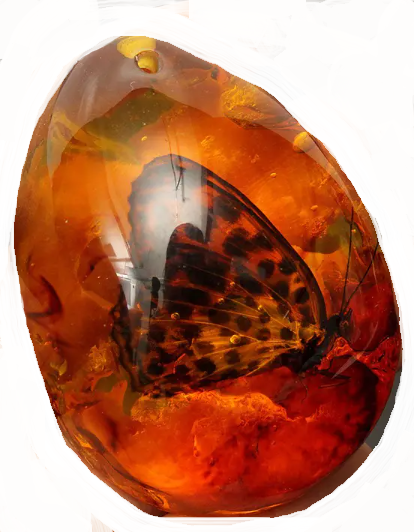
Remains of the animal or plant world from ancient times, called inclusions, are often dispersed within amber. It is often an insect, forever trapped in resin, that has preserved its original appearance down to the smallest details. Such samples are valued more highly.When a stone with inclusions reaches 1 cm or more, it gains precious status.
- There is also Dominican blue amber, which when burned does not emit a coniferous aroma, but thanks to carob tree resin has a pleasant floral scent.
- Caribbean amber refracts incident infrared rays in a distinctive way and is characterized by a bluish glow. These stones are considered the most valuable
DEPOSITS
The Baltic region is considered one of the main places where sunstone is mined. Lithuania is recognized as a supplier of very high-quality amber. On the shore of the Baltic Sea, you can even find small stones yourself.
The main deposits are located in Russia, where up to 90% of the world's amber is mined. For example, up to 300 tons of the mineral are mined annually in the Kaliningrad region. Smaller deposits of amber were found on Sakhalin Island, in the Urals, and in Siberia. In Ukraine, amber is mined over an area of about 200 km2. More than XNUMX tons of amber are collected annually. Deposits were found in the regions of Kyiv, Volyn, Rivne, and Zhytomyr.
Overall, several hundred deposits are known worldwide. The largest of them are in the following countries:
- Burma, Dominican Republic, Indonesia, America (Canada, USA), Italy, Myanmar, Mexico.
Extraction is carried out in several ways: using strong water pressure, the soil is washed away (industrial method); in coastal waters, among clusters of algae during a storm or large waves, it is possible to find amber on your own (amateur method). After extraction, the amber is carefully polished, cut into pieces, then given a certain shape, polished
HISTORY AND TRADITION
Scientists argued for a long time about the origin of this amazing stone. The result was the finding that amber really is resin that flowed into the soil and transformed there into a mineral. Amber is considered a stone at least 1 million years old (according to one scientific version, the type of wood does not matter).
Other occurrence hypotheses:
- This is frozen sea foam.
- The contents of whales' stomachs, because amber was often found on the seashore.
- Amber is a special oil that was squeezed from rocks by giants.
- Gold, only heavily work-hardened.
- Oil that turned into stone over the centuries.
Many will ask: And for what reason does resin not turn into amber in the modern world? The answer to this question is also available: many millions of years ago, relict pines grew on Earth. When a sharp warming occurred, the trees began to actively emit resin, which then turned into a special honey-colored stone
Beautiful and often apt was the naming of amber.
- While the Czech word amber means nothing to a layperson,
- The Roman succinium suggested that it was “stone juice.”
- The Greeks, renowned for their curiosity and inclination toward scientific knowledge, in turn called fossilized resin electron because they were fascinated by the static electricity generated by friction. If an amber rod were rubbed with a fox tail instead of an ebonite rod, the result would be similar. The resulting static electricity would attract all tiny particles from the surroundings to the surface of the rod. In fact, this very phenomenon in amber was observed and described by the Greek scholar Thales of Miletus as early as the 6th century. century BC n. l. - name - electrum and electron (“shining”), in honor of the star Electra, which is located in the constellation Taurus.
- In Germany, the mineral is called “bernstein,” meaning “burning stone” (amber really does burn with a beautiful red flame at a certain temperature and has a pleasant fragrance).
- The stone has the same peculiar warm glow. This is where the old Russian name "Ilectron" comes from.
- In Ukraine, amber was called Burshtyn - “burnt stone”; it was often set on fire and used as incense.
- Thanks to amber's ability to conduct electricity and become electrified, the mineral is called Kahraba in Arab countries - "attracting straw".
- Most legends in which amber is mentioned also work with the motif of tears – perhaps precisely because of the shape in which this precious element is found in nature. E.g. In Sophocles' tragedy, there is mention of amber tears shed over the death of the hero Meleager, who became the victim of his mother's curse.
- Because amber often contains things that were once alive, classical worshippers of the Mother Goddess believed that it contained the essence of life itself, the animating principle or Akasha, which as the “fifth element” binds Earth, Water, Air, and Fire.
- Russian legends associate amber with the parable of a singing stone that can only be heard by a man with a pure heart.
- The Baltic legend of the bird Gauy, which lived on the coast of the Amber Sea in wild forests and hid a necklace made of this precious material in its nest, on the other hand speaks of obtaining amber in connection with a crime – for an evil king sent a loyal servant to steal the unique jewel. When the one with the necklace fled, the bird Gauya caught up with him and took him in its beak. Then he dropped it from high in the sky into the sea, which still washes amber ashore.
- The origin of Baltic amber is associated with the Lithuanian legend of the sea queen Jūratė, who fell in love with the fisherman Kastytis. According to one version, her jealous father punished her by destroying her amber palace and turning her into sea foam. The remains of her palace can still be found on the shore of the Baltic Sea in the form of amber.
- Mexican amber, distinguished by its beautiful red color, was already known to the ancient Maya, who traded it with the Aztecs and other tribes.
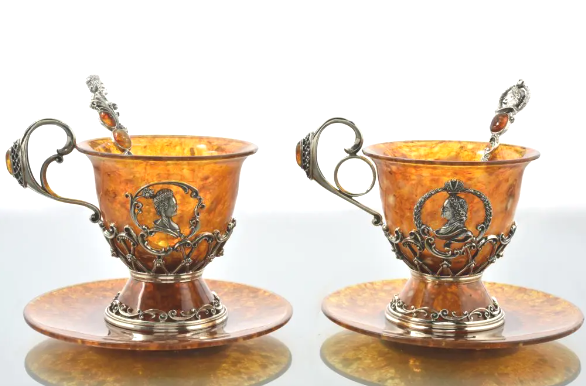
- Spanish conquerors told of the Aztec ruler Montezuma, who supposedly stirred his chocolate with an amber spoon.
- At 18. In the century, the Prussian King Frederick William had a chamber built in the Berlin Palace in honor of Tsar Peter the Great, with rich wall decoration made of amber. He then had it transported to the Catherine Palace in St. Petersburg, where it adorned the palace for the next several centuries. However, since the end of the Second World War, the original Amber Room has been missing, and since 2003 only a faithful replica in the Catherine Palace has commemorated it.
- Amber has been used by humanity to make jewelry since the Stone Age, and over thousands of years it has been given many names: Gold of the North, Tears of the Gods, Fossilized Honey, or Solidified Sunlight.
- Baltic amber appears, for example, in Viking legends, where it served as a protective amulet. It was believed to be the fossilized tears of the Norse goddess of beauty and love named Freya.
INTERESTING FACTS
1. It is said that with amber you can harmonize the environment in the car
Hippocrates, the ancient Greek father of medicine, wrote about the healing powers of amber in the 5th. centuries BC, and shamans in many cultures also used it in rituals thanks to its protective powers.
It is sometimes called the honey stone because it is soft and warm to the touch. It emits a smooth, soothing energy and is said to contain the warmth and power of many suns. Absorbs negativity and protects its wearer from all evil. It encourages courage, self-confidence, and joy in life, so when you place it in the car, you can maintain a pleasant atmosphere there on the way to work as well as while driving restless children to school.
Treatment
- First, clean the car thoroughly, because the crystal will hardly be able to fight stale energies.
- Now take the amber, feel its loving and generous power flowing through your body, and ask it to become your protective talisman when you drive.
- Place it on the dashboard or in a pocket, allowing its uplifting energies to create a golden ring around the car.
- Clean it every few months so that it works at full power.
LOCATION: on the dashboard or in the side pocket
AUTHENTICITY TEST
There are several ways to verify natural amber.
- Test with salt water - Amber is very light and will not have the weight of a glass bead or even a solid plastic bead.To test this property of amber, make salt water by mixing one part salt with two parts water.Natural amber beads should float in salt water, while glass or plastic beads sink.
- Light the amber beads - To make sure the amber beads are genuine, try lighting them and you will smell pine. This is what a natural amber bead looks like.

/search_thin.svg)

/user.svg)
/cart.svg)

/heart.svg) Favorite
Favorite/compare.svg) Compare
Compare