/search_thin.svg)

/user.svg)
/cart.svg)
E-mail: info@energetickekameny.czTelefon: +420 606 647 298
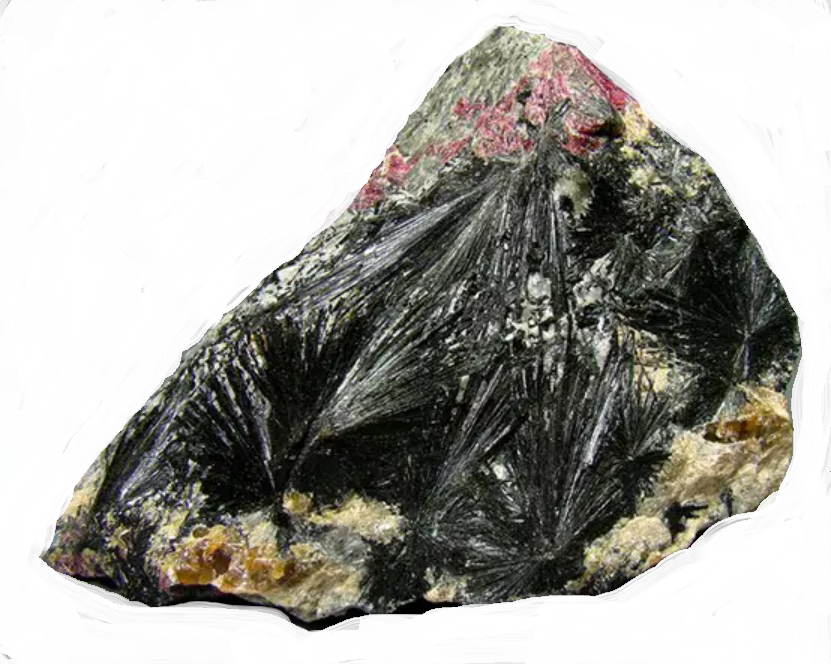
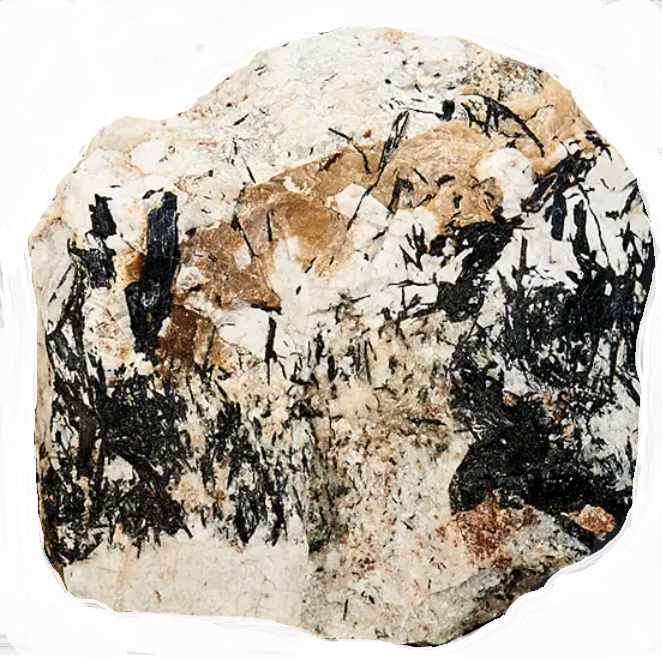
AEGIRINE / ACMITE, leadership – inner strength – energy
AEGIRINE STONE ABILITIES, PROTECTION - STRENGTHENING - INTUITION - COMMUNICATION - ORIENTATION
It helps a person reveal leadership qualities and achieve the desired goal, has a strong connection with the outside world, and can transform negativity into positivity.
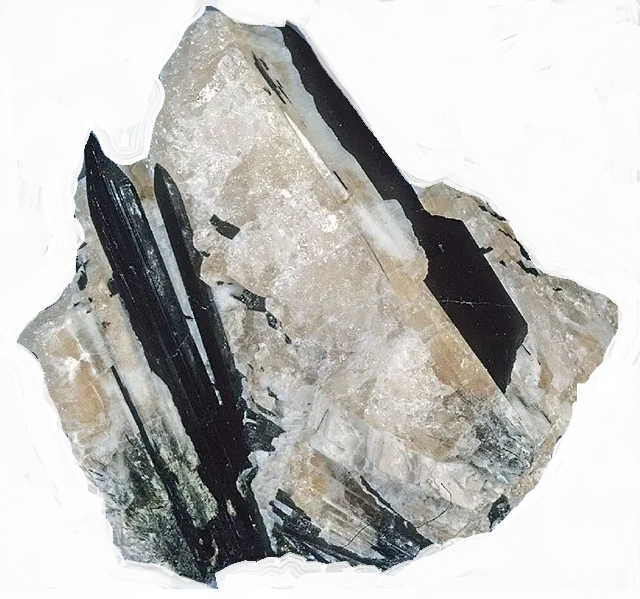
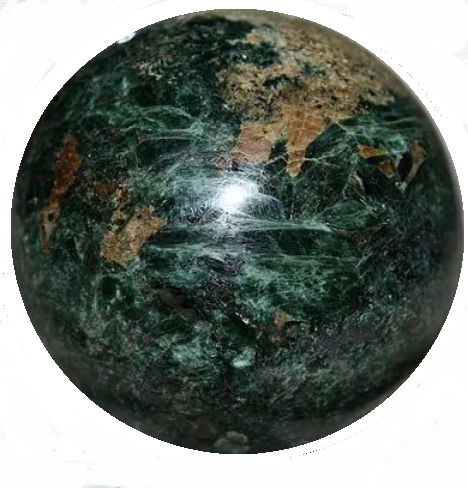
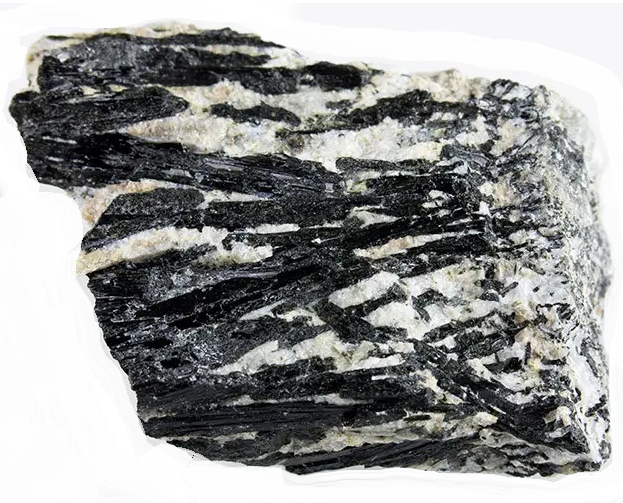
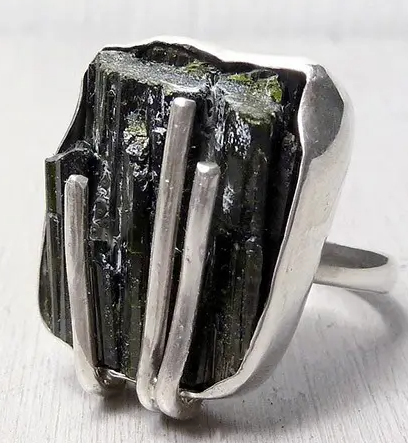
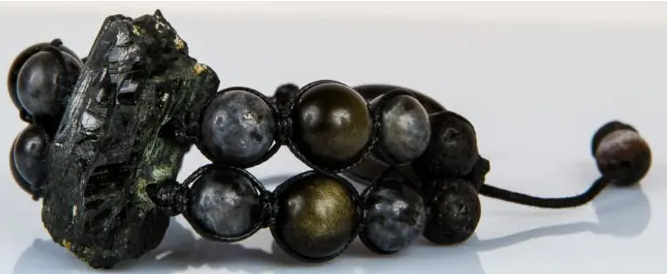
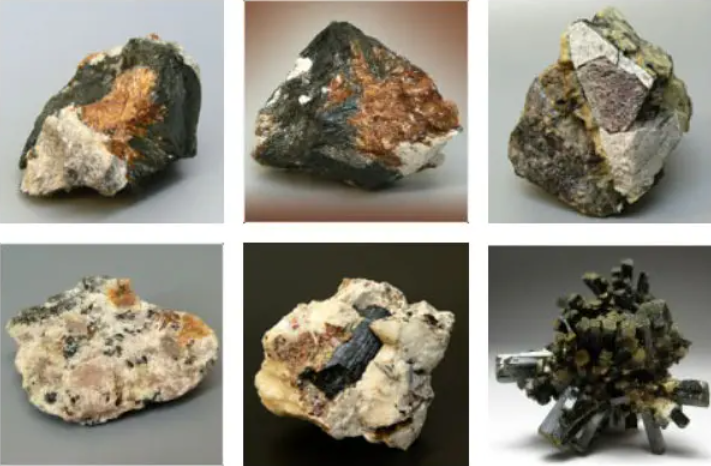
- protects against negative external influences
- helps get rid of harmful addictions: smoking, alcohol, drugs
- protects against envy and emotional exhaustion
- strengthens faith in yourself and in the future
- teaches you to rejoice even in the smallest things
- supports positive introspection
- develops intuition and strategic thinking
- guides you onto the right life path
- helps achieve goals
- provides protection against road accidents
- prevents deadly dangers
- helps establish communication with new people
- makes it easier to navigate unfamiliar terrain
- develops the ability to discern the truth
According to feng shui, aegirine crystals correspond to the element of water. Therefore, they should be placed in rooms where you can relax and think in peace.
The aegirine amulet helps women feel confident in their attractiveness and emphasize their natural charm. And also gain confidence in achieving professional goals.
HEALTH EFFECTS
Aegirine enhances the effects of other healing stones when used in combination with them.
Healing properties of aegirine:
- boosts immunity
- strengthens the central nervous system
- restores energy reserves
- removes harmful substances from the body
- helps during recovery after serious illnesses
- helps in the treatment of stomach and intestinal diseases
- relieves muscle and joint pain
- helps get rid of chronic fatigue and overwork
- helps get rid of obsessive thoughts
- can bring someone out of a state of shock
- protects the body from exposure to various radiation and fields
CLEANING AND CHARGING
- clean under regular running water
- charge on a crystal cluster and in the morning sun
ZODIAC SIGNS
best suits Taurus, it will bring them:
- ability to overcome stubbornness
- caution
- balance
- will teach you to enjoy life and find strength within yourself
Aegirine is basically suitable for all zodiac signs, but especially the earth signs: Taurus, Virgo, and Capricorn.
(“+++” - the stone fits perfectly, “+” - can be worn, “-” - absolutely contraindicated):
| Zodiac sign | Compatibility |
|---|---|
| Aries | + |
| Taurus | + + + |
| Gemini | + |
| Cancer | + |
| Leo | + |
| Virgo | + + + |
| Libra | + |
| Scorpio | + |
| Sagittarius | + |
| Capricorn | + + + |
| Aquarius | + |
| Pisces | + |
COLORS AND VARIETIES
The color of aegirine depends on the chemical composition and the crystal structure in each individual stone. Finely needle-like aegirine will therefore be light green, yellow-green, or colorless, while obelisk-shaped aegirine will be dark green, black, brown, or brown. Transparent crystals are very rare.
An interesting property of aegirine is that if you rotate it along different axes while examining the stone, it changes color:
- Axis Ng. The color changes from blue to bright blue and blue.
- Axis Nm. The purple color changes to lavender and blue.
- Axis Np. Colorless, red, dark crimson, orange, and pink.
When observed under a microscope, the mineral may appear violet, orange-brown, pink, violet-blue, and dark brown. This property is associated with the refraction of light on many small crystal faces that make up the mineral aegirine. And also from the proportions of metals in its composition; for example, an excess of manganese gives red-violet shades, and iron gives reddish-brown. But at the same time, all the minerals have a vitreous luster and a silky lu
SITE
The largest deposits of the stone: Nigeria, Scotland, Canada, USA, Greenland, the Kola Peninsula, the Cherry Mountains in the Urals, DPRK. The mining of collectible aegirine crystals takes place in Malawi in the eastern region of Africa.
HISTORY AND TRADITION
The history of the mineral begins in 1821, when the first deposit was discovered in southern Norway, near the town of Kongsberg. In the same year, the stone was first examined by the Swedish scientist J. Berzelius. The name “aegirine” itself was assigned to the stone 14 years later – in 1835. This was done by the mineralogist J. Esmark, which was named in honor of the god of the sea from Germanic-Scandinavian myths. Until 1835, the stone was called “akmite,” which means “point” in Greek.
The origin of aegirine is often volcanic. It forms in the bowels of the earth and eventually reaches the earth's surface everywhere. It is quarried from acidic and alkaline igneous rocks, with the stones mostly being of medium size.
- The mineral, in the form of a columnar crystal up to 20 centimeters tall, is often found in Malawi on the Malosa Plateau. Such samples resemble well-sharpened pencils. Particularly valuable are those that grew together with orthoclase or white quartz.
- The largest crystals (up to 30 centimeters tall) are found in Madagascar (Toliara Province) and Norway (Buskerud County).
- Aegirine is a very fragile mineral, so it needs to be handled with care.
- The mineral is usually stored in a soft container: a bag or a box.
PHYSICAL PROPERTIES
The solid mineral aegirine is smelted from perfect crystals, which are visible to the naked eye. The stone melts well, is poorly soluble in various acids, and also has a faintly perceptible magnetic field.
| Property | description |
|---|---|
| Formula | NaFe3+ (Si2O6) |
| Hardness | 6 - 6.5 |
| Density | 3.5 - 3.54 g / cmXNUMX |
| Fracture | Splintery |
| Crystal system | Monoclinic |
| Cleavage | Distinct on {110} |
| Luster | Glassy |
| transparency | Translucent or opaque |
| Color | Green, green-black, reddish-brown or black |