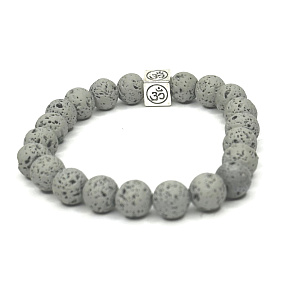
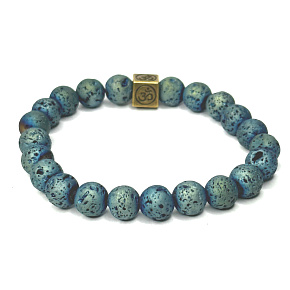
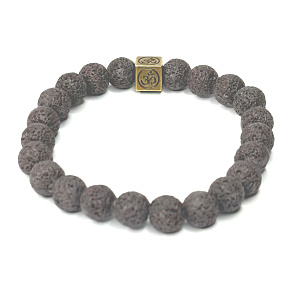
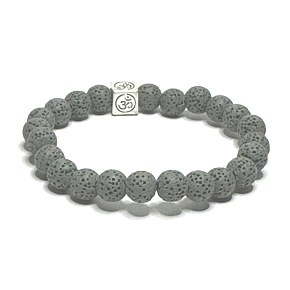
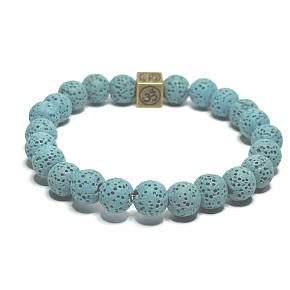
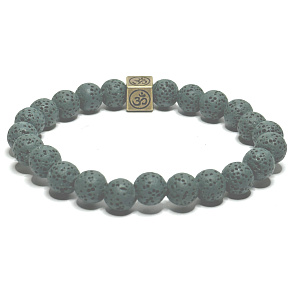
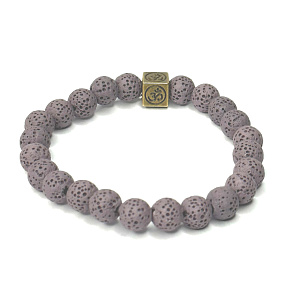
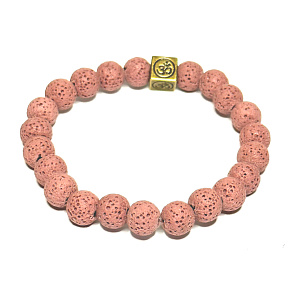
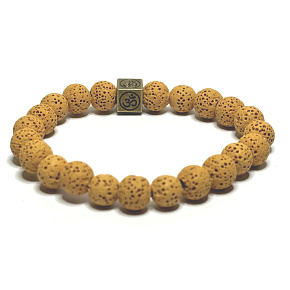
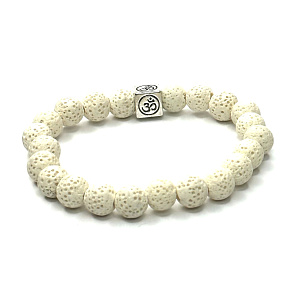
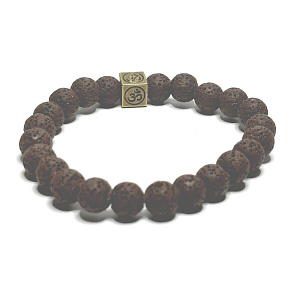
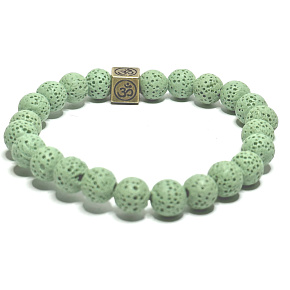
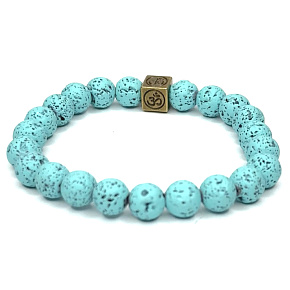
LAVA STONE STONE PROPERTIES, JOY OF LIFE - BORN OF THE FOUR ELEMENTS - IDENTIFIED WITH THE HEART OF OUR PLANET - THE STONE OF REBIRTH
Vitality, a protective stone, supports strength and life energy, a sense of security, self-confidence, and courage
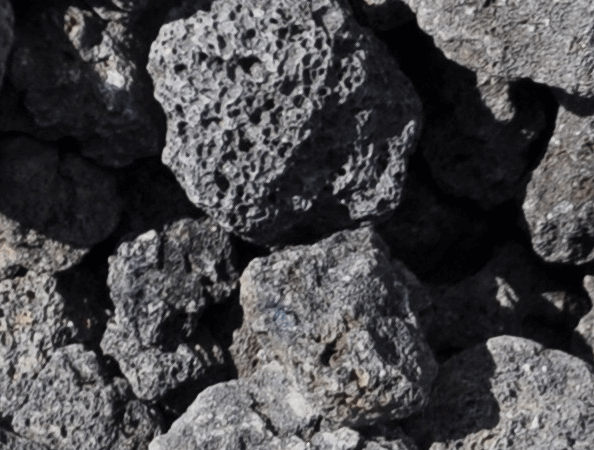
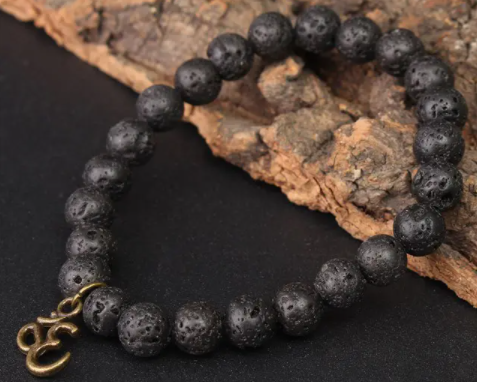
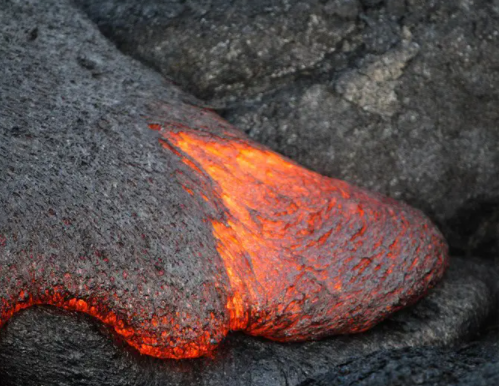
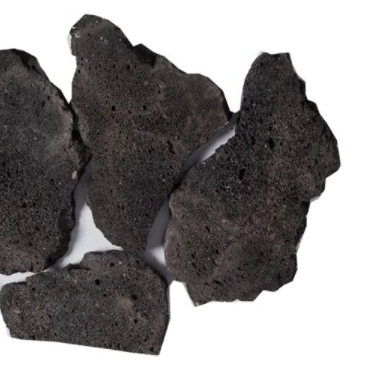
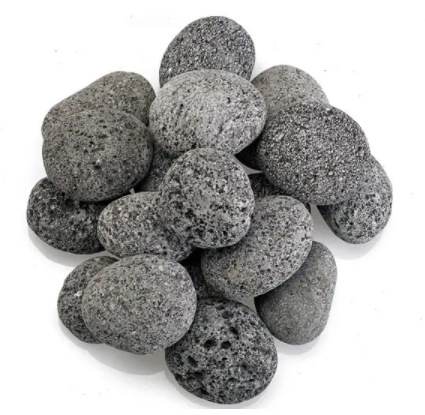
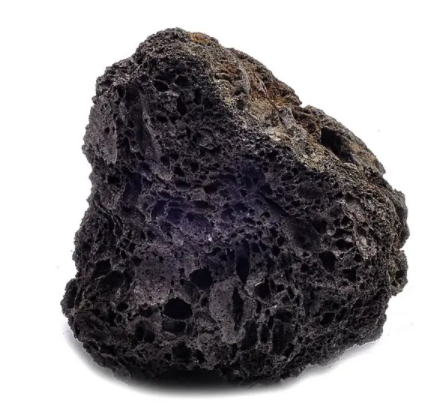
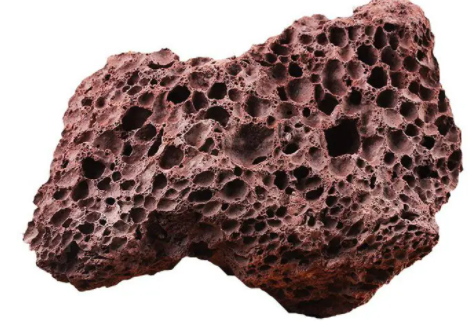
- brings joy, trust in life
- against fatigue, diseases, lethargy, loss of zest for life, depression, in a bad mood, to the clouds
- restores vitality, improves health, mood
- suppresses negative energy and strengthens positive energy
- used to suppress the fear of physical pain
- washes away all aversion to life
- a talisman suitable for strengthening determination
When you carry a lava stone with you, you won't be overcome by gloom, bad mood or sorrow, and all aversion to life will wash away.
Thanks to lava stone, you can feel your own strength and a strong connection with Mother Earth.
HEALTH EFFECTS
- lava stone is among the stones with strong effects
- helps remove negative energy and suppresses both physical and mental stress
- for calming emotions
- supports proper blood circulation
- relaxes an exhausted mind
- harmonizes the body and mind
- helps with chronic skin conditions and rashes
- is suitable for women who suffer from severe menstrual cramps
- strengthens sexual energy in both women and men
- lava is considered a stone of rebirth
It is widely used in massages; thanks to its porous structure, a combination of lava stones and essential oils is often used, as the oils are absorbed into the lava and then prolong their effect on the human body.
CLEANING AND CHARGING
- Lava stone does not need to be cleaned or charged in any extreme way. Given his nature, it is clear that he does not need it that much, because he can handle human problems very well on his own
- There are no special requirements for using the stone.
- From an energetic perspective, it is beneficial to wear the stone in constant contact with the human body.
- Cleansing and charging are carried out every 30 days using large salt crystals. After the mineral is charged in the sun. It is recommended to place the nugget next to the rock crystal.
- It is also sufficient to simply rinse it under a stream of lukewarm water and leave it to charge in the sun for any length of time, or in the moonlight.
- You can also move the lava stone clockwise around the flame of the red candle.
TALISMAN AND SPELLS
It is no wonder that the heart and breath of the planet have a powerful magic that helps a person on all levels of consciousness and subconsciousness. Lava is responsible for the root chakra - the foundation of the activity of the other chakras, connecting a person's energy with the energy of the Earth. Lava stone itself is energetically both feminine and masculine. Rough lava carries Yang energy, while smooth, fluid lava carries Yin qualities.
Lava is considered the oldest domestic amulet used by tribes all over the world. If you want to protect your home from trouble or unwelcome guests, place pieces of lava stone at the entrance to the house or keep mineral jewelry as close to the entrance as possible.
- Wearing basalt harmonizes a person's inner world. Thanks to this, the owner of the stone learns to understand themselves and their own thoughts, desires, and dreams. Contact with the stone sharpens intuition, teaches you to correctly interpret the messages of fate, dreams, and signs. A person feels unity with themselves and nature, discovers talent, gains wisdom, which must lead to the realization of the boldest plans.
- It is also believed that one of its physical properties is fluidity; the lava is transferred to the owner. This enables a person to become flexible, morally adaptable, to adjust to any current of circumstances without losing sight of the intended goals. Thanks to such qualities, the personality is open to everything new, while the talisman protects against mistakes and bad deeds.
- The lava nugget was long considered a stone of knowledge. If someone is trying to master new knowledge, it is necessary to wear a basalt talisman. The stone contributes to clarifying thoughts and revealing mental abilities. It is easier for a person to focus on work and achieve excellence in the study of their chosen science.
- The lava will become a sacred talisman that will definitely bring positive changes. This stone does not like stagnation; calm is foreign to it. With its arrival in anyone's life, lava stone will constantly push its owner toward movement, decisive action, and the achievement of goals.
ZODIAC SIGNS
Astrologers agree that creating a volcano is suitable for all zodiac signs, without exception.But like other minerals, lava stone has an affinity with certain zodiac signs - Leo, Libra, Capricorn, Aries, Scorpio, and also Gemini. People born under these signs will be lucky in carrying out their plans and will also be able to quickly assimilate the experience they gain, thereby acquiring life wisdom in the shortest possible time.
LAVA STONE
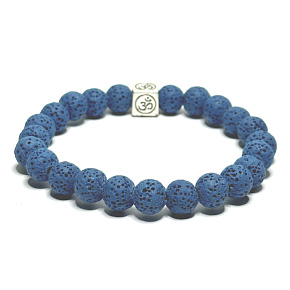
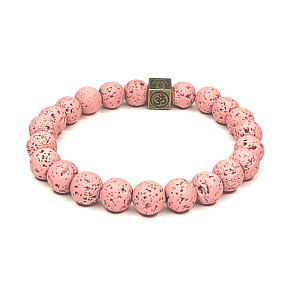
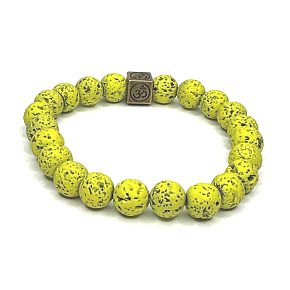
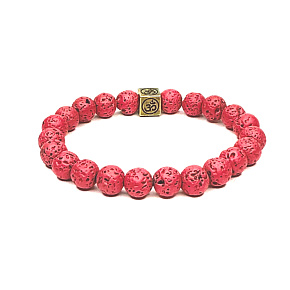
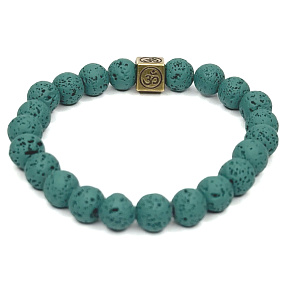
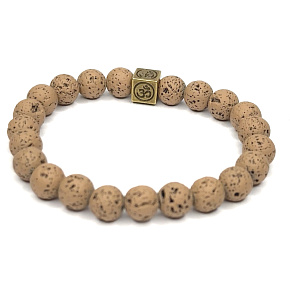
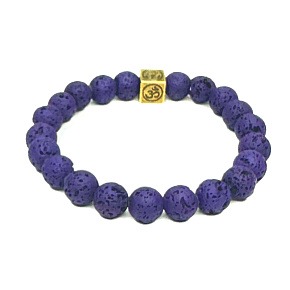
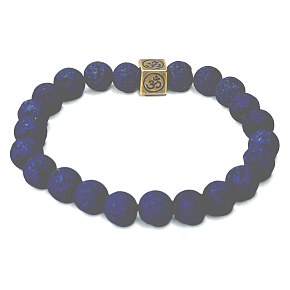
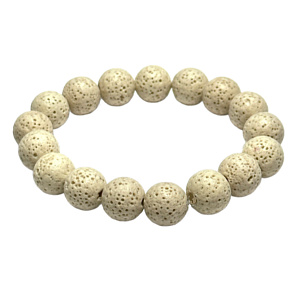
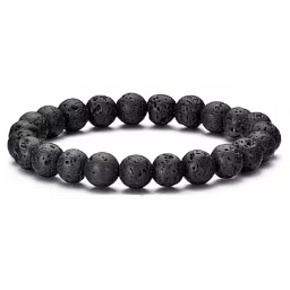
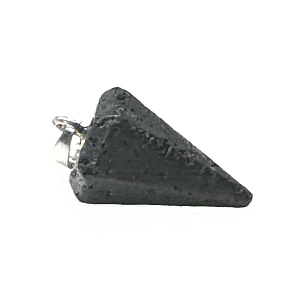
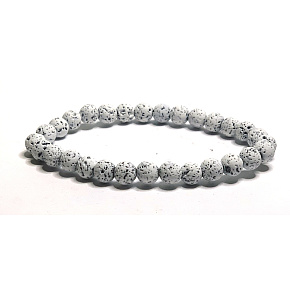
The lava turns various shades. The most popular is black, but you can also encounter green, blue, white, yellow, and red.
- it is associated with the sign of Libra, which is the seventh astrological sign of the Zodiac
- in astrology, Libra is considered a masculine, positive, extroverted element
- Libra is ruled by the planet Venus
In Feng Shui, lava represents the energy of fire, the energy of enthusiasm, light, warmth, cordiality and passion.In nature, it symbolizes the masculine Yang element, the bright and creative force, embodying reason and assertiveness.The energy of fire is traditionally associated with the southern part of a room, apartment, or house, and gives the home reputation and renown while helping to strengthen our personal standing in society as well as within the family.
COLOR
Different volcanoes erupt volcanic material of varying composition, temperature, and color. According to composition, there are three types of lava:
- Basalt. This species is considered the main one. Basalts are composed of 50% silicon dioxide in their chemical composition; the remaining half consists of oxides of various metals, including iron, aluminum, and magnesium. The flow of such a substance reaches 2 m/s and the temperature is 1300°C, which leads to covering the Earth's surface over many kilometers, but with a small thickness. The color of basalt that has not yet solidified is yellow or reddish-yellow.
- Silicon. It is a viscous volcanic material with a temperature of about 900 °C. The flow rate is low, only a few meters per day. Viscosity and low fluidity are determined by a higher percentage of silicon dioxide than in basalts - from 53 to 62. When the proportion of silicon dioxide reaches 65%, the lava slows down even more. A characteristic feature of silicon lava is that the material solidifies before it leaves the crater. The lava inside solidified, usually clogging the vent, which leads to a violent explosion when the eruption resumes. The color of hot silicon lava is black with a red tint. Silicone masses cool quickly, do not have time to crystallize, and form black volcanic glass.
- Carbonate. This species is remarkable in that it was erupted by a single volcano on our planet - Tanzania's Oldoinyo Lengai. Carbonates of potassium and sodium make up half of the composition. This lava is considered the coolest and most fluid, almost like water. The temperature of carbonate volcanic material does not exceed 600 °C. Hot lava of this type is usually dark brown or black. However, once completely cooled, the rock changes color to white and becomes brittle, soft, and soluble in water.
There is also a difference in basalt lavas according to certain criteria, the main ones being color, structure, and application. This classification is more industrial than scientific:
- Asian. Dark gray stone used in architecture and jewelry making.
- Basalt. This variety was already known to the ancient Romans. Basalt is considered a more expensive variety because it is durable and retains its original appearance over the long term. Used in sculpture. Outwardly, it resembles limestone.
- Basalt twilight. The birthplace of this stone is China. This species is used in construction because, among all varieties, it is the most durable and has the best resistance to atmospheric factors. The color of the stone is black or gray in dark shades. It is also used in jewelry making.
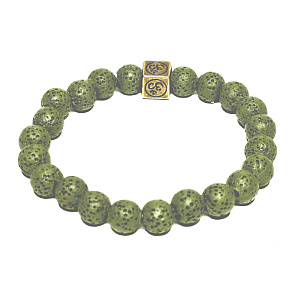
- Green Moorish basalt. Nugetka contains unusual inclusions that give the stone a rich green color. Thanks to this, this variety looks noble and expensive in jewelry.
Each type of stone is used in different fields - esotericism, lithotherapy, industry, and jewelry.
OCCURRENCE
Lava stone is formed and mined wherever volcanoes rise. A characteristic feature of the extraction of this stone is that this process depends on the phase of volcanic activity - if the volcano is active, then the deposits do not develop until the masses are finally formed. When it comes to dormant volcanoes, lava often lies at a certain depth and forms layers. The age of such a breed often dates back to the Precambrian period.
Places where lava stones are mined: Iceland, India, Greenland, North and South America, South Africa, Ethiopia, Australia, Tasmania, China, Italy.Enough lava stone is mined worldwide for human needs. Geologists are convinced, however, that the vast majority of the Earth's rock reserves are located at the bottom of the Pacific Ocean. It has been proven that basalt rocks are the basis for the formation of the Hawaiian Islands. But for the time being, there is no need to develop the depths of the oceans.
HISTORY AND TRADITION
Lava stone is also known by another name - basalt. This name was given to nuget, according to the peculiarities of its origin, from the African country of Ethiopia. Translated from the local language, “basal” means “boiling.” The exact same word “lava” came into our language from French, just as it did from Italian about three centuries ago, translated as “sliding,” “creeping,” or “falling.” This name no longer reflects education, but the birth of the stone, its second birth.
Lava is a stone that is unique in every way; the history of this breed goes deeper than that of other nuggets. Like the breath of our planet, lava has existed for as long as the Earth has been spewing magma from its depths for thousands of years.
It was not without reason that our ancestors attributed immense power, magical and healing strength to lava. Volcanoes were considered a connecting point of the four elements - Earth, Fire, Air and Water. Magma, originating from the planet's interior under the influence of the first two elements, became lava and escaped in a powerful exhalation from the distant depths. With the help of the power of air, the magma cooled, flowed into the ocean, and absorbed the powers of the last of the elements. Today, lava is formed in the same way as it was millions of years ago and brings with it extraordinary opportunities.
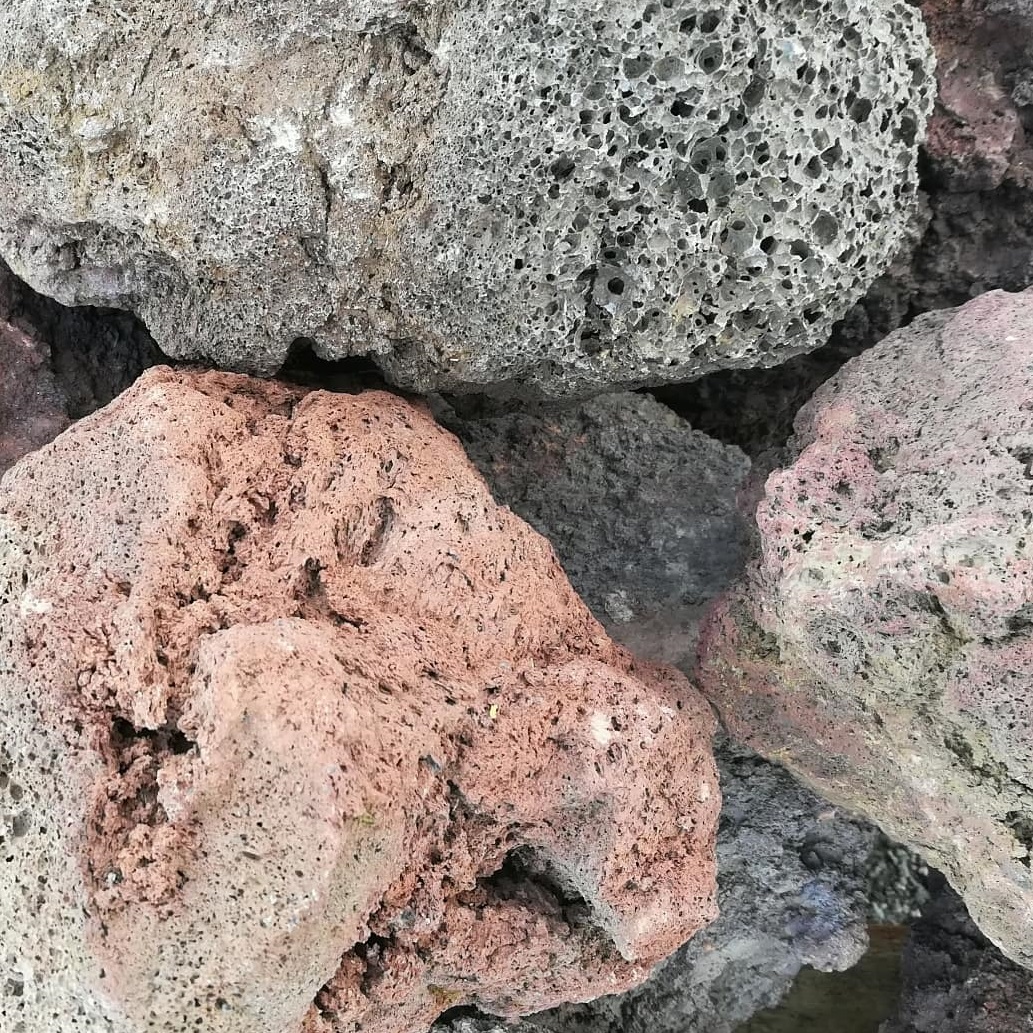
Gas bubbles often leave cavities on the surface of the rock. This porous material turns into pumice. As lava cools slowly, its upper layer forms a crust beneath which the other layers remain liquid longer and continue in an invisible internal flow. Tunnels often form in the middle of the flow due to the varying speed and direction of the flowing mass. Such voids can extend in the stream for distances of up to 15 km.
It is known that lava from different regions of origin differs in composition. Volcanic material of island arcs (places where oceanic plates overlap each other) has an andesitic composition, while lava from oceanic ridges is predominantly basaltic.
Scientists have long sought an answer to the question of why some regions produce lava of both compositions, while others are notable only for basalt.
The answer was the theory of tectonic movement of lithospheric plates, which states that the oceanic crust is pushed beneath island arcs, where, when it melts at a certain depth, it erupts as andesitic lava.
Before reaching the Earth's surface, lava is considered magma. The temperature of the magma before the eruption reaches 2500°C and then gradually drops to 500 degrees. During an eruption, magma changes its properties under the influence of atmospheric gases and turns into lava. If streams of hot material encounter a body of water on their way, a powerful explosion occurs.
- The fact that lava comes directly from the Earth's core, and its spiritual meaning carries grounding and a connection with nature. Native Americans carried a piece of petrified lava into battle because they believed that the energy of the lava stone would bring them courage and strength.Petrified lava is nicknamed the "Stone of Rebirth" because it is said to help those who wear it rid themselves of excessive and unhealthy emotions. The lava stone keeps us mentally stable and helps us dispel anger. In the past, lava stones were used by the Chinese and the Maya for healing; Hawaiians used them to build religious structures or structures that were used for healing
Thanks to the natural porous structure of this igneous rock, sometimes called vulcanite, you will never find two identical beads.Lava is molten rock that erupts onto the Earth's surface during volcanic eruptions. Its temperature ranges from 750 to 1,200 °C. Lava consists of molten rock, crystals, and gases, and cools due to changing temperature.
FACTS
One night in 1977, the Nyiragongo volcano erupted in South African territory. The explosion was so powerful that the walls of the crater shattered. The lava of this volcano was very fluid; this rapid flow rushed at a speed of 17 meters per second. Several surrounding villages with sleeping inhabitants had no chance of escaping that night.
In addition to the high temperature and high flow of hot material, clouds of ash, rocks, and poisonous gases are thrown to the surface during a volcanic eruption. This volcanic mixture once wiped out the majestic Roman cities of Herculaneum and Pompeii.
In Iceland, there is a known case where lava flows beneath a solidified upper crust continued moving invisibly and remained hot for several centuries.

/search_thin.svg)

/user.svg)
/cart.svg)

/heart.svg) Favorite
Favorite/compare.svg) Compare
Compare