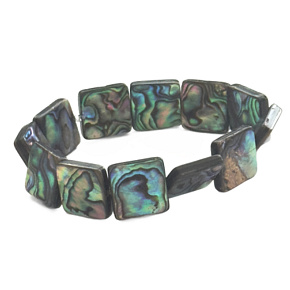
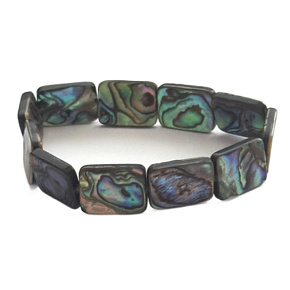
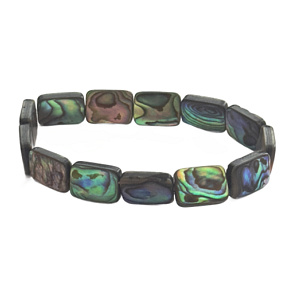
PAUA SHELL / ABALONE ABILITIES - STRENGTH - HARMONY - SPIRITUAL PROTECTION - INNER STRENGTH
Paua has been valued for centuries not only for its beauty, but also for its profound spiritual significance, it is a true jewel of the sea – a symbol of beauty, balance, and strength
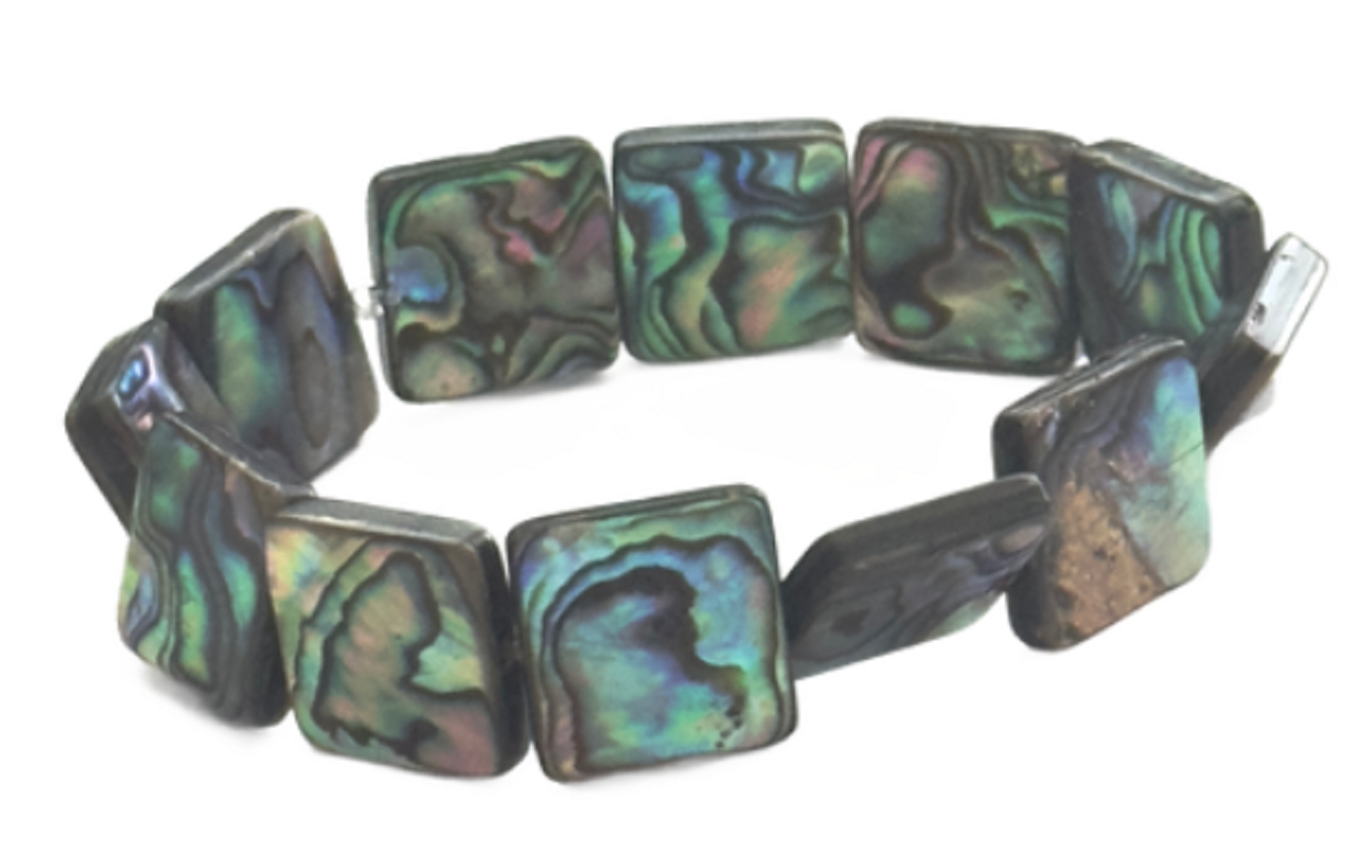
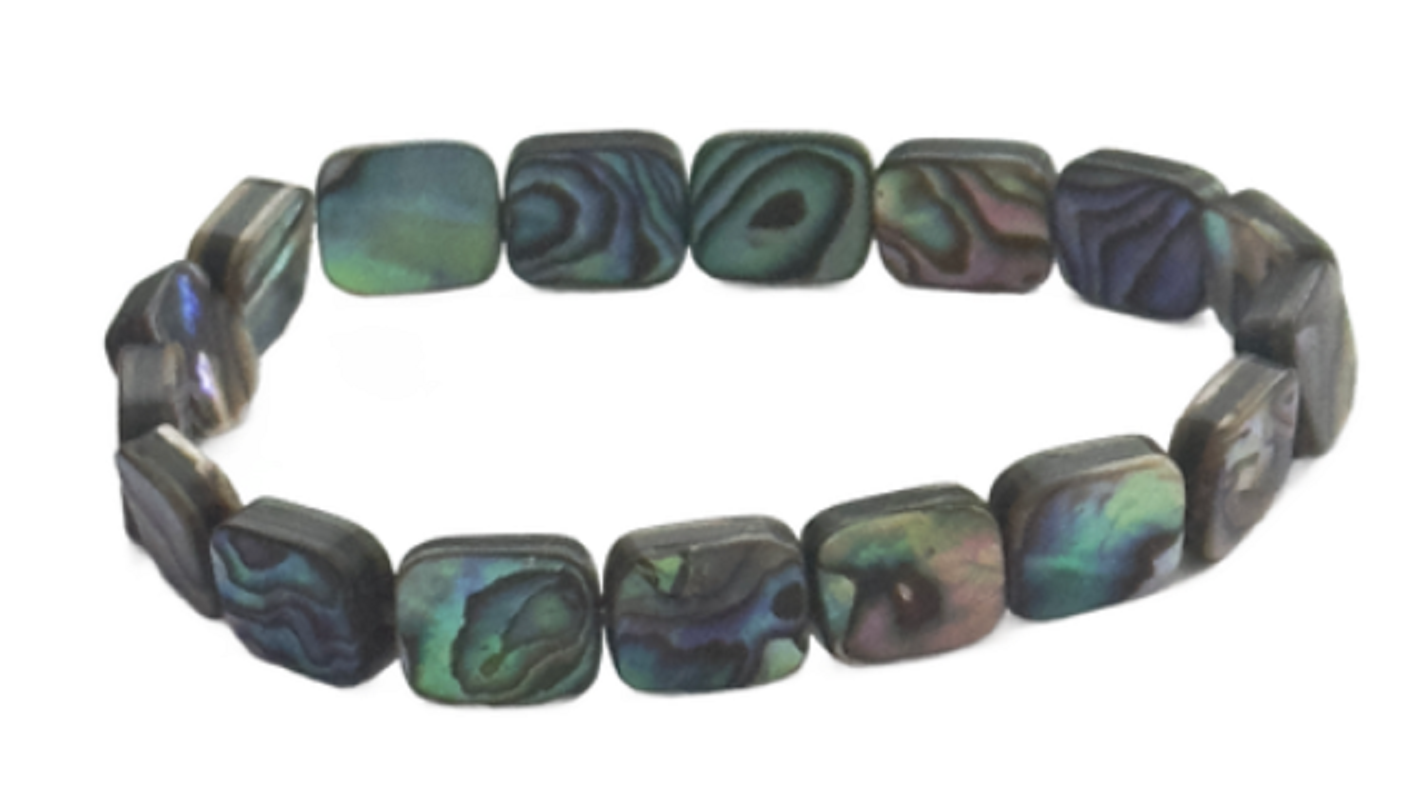
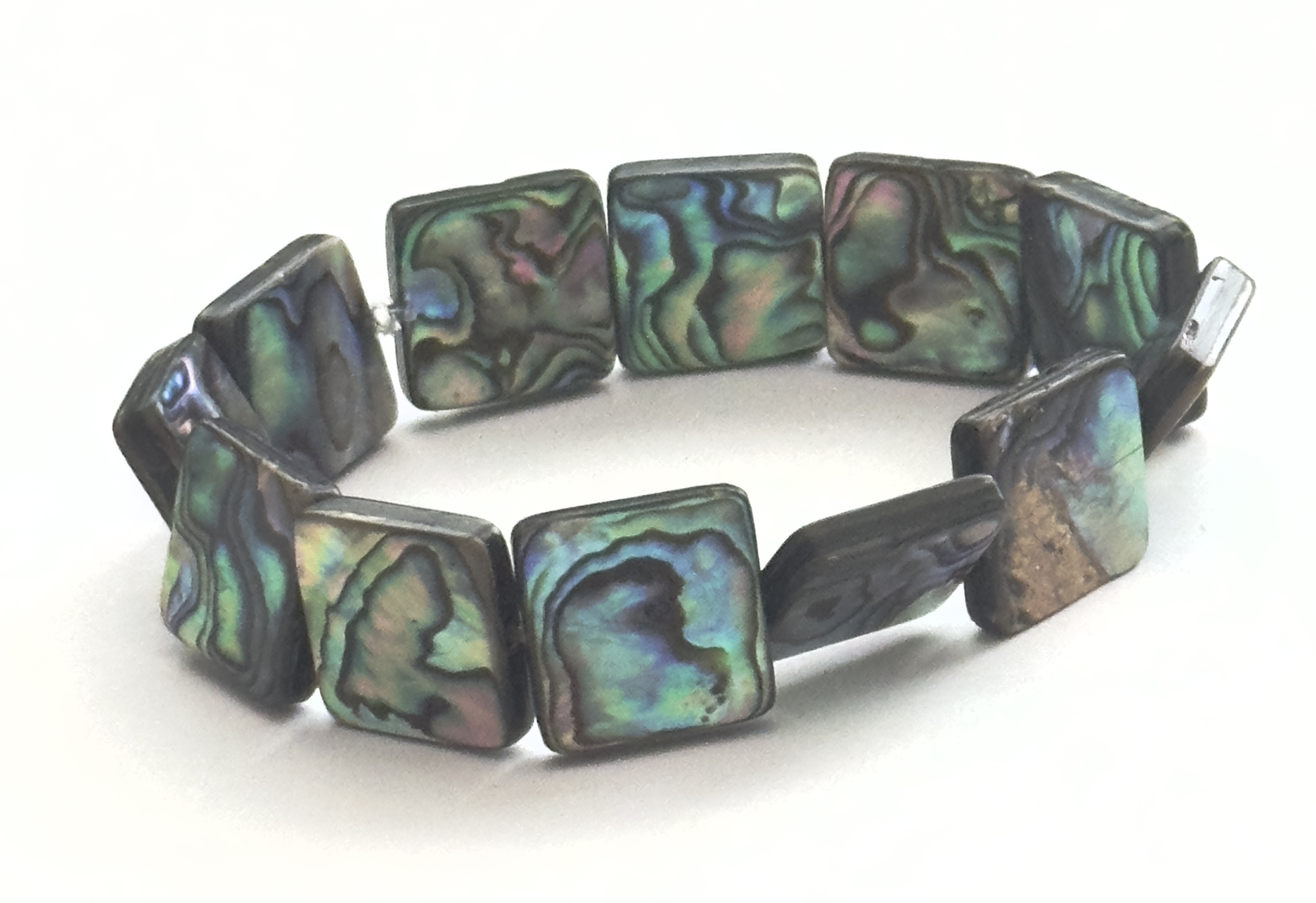
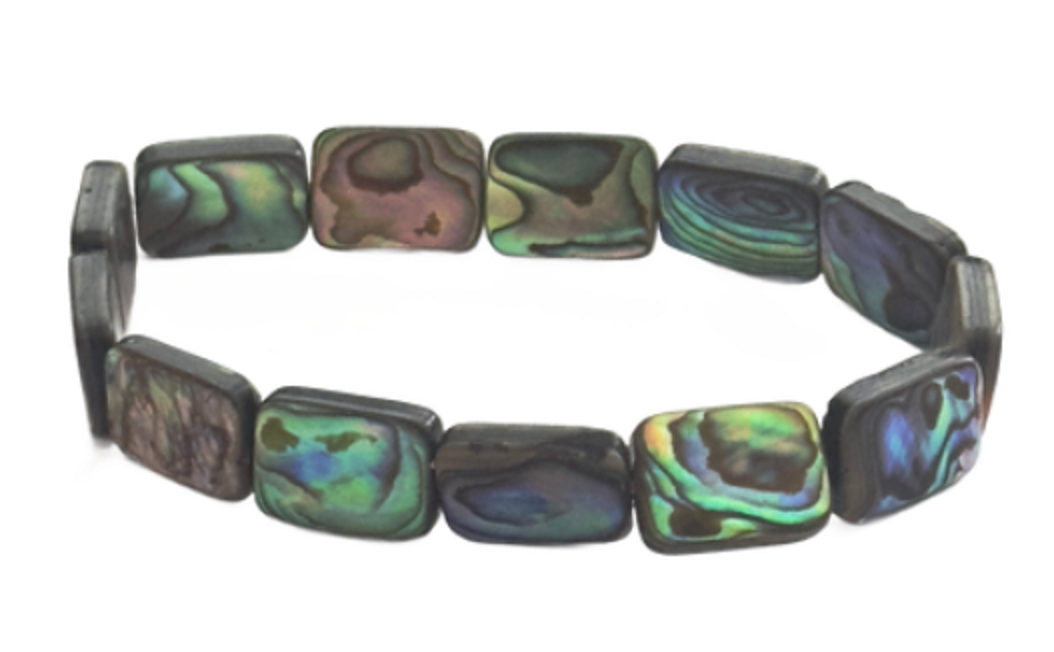
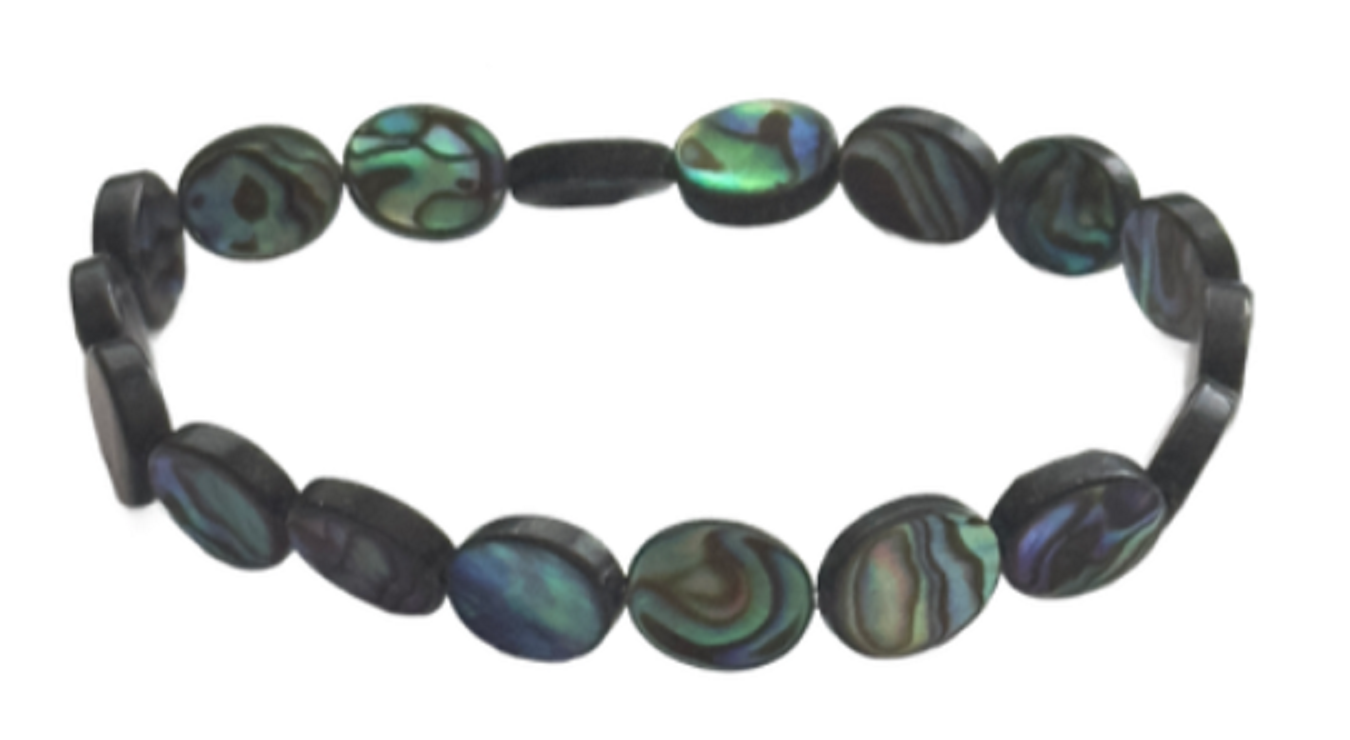
- The Māori believe that it brings its owner luck, wealth, protection, and peace.
- Since ancient times, this shell has been regarded as an amulet for supporting fertility, it is called “Mother of pearl” and is therefore a very suitable gift for expectant mothers and women wishing for a baby.
ABILITIES
- Strength and resilience – The paua shell grows in harsh marine conditions, symbolizing the ability to overcome challenges and adapt to change.
- Harmony and balance – Its rainbow reflections represent the connection of all elements and energies, support inner peace, and help find balance in life.
- Love and family bond – In Māori culture, paua is considered a symbol of protection, love, and unity between generations.
- Spiritual insight and intuition – Paua is often used as an amulet for developing intuition, enhancing creativity, and a deeper connection with nature.
COLOR
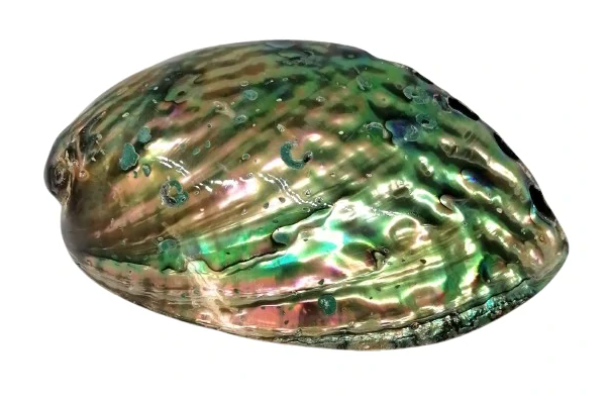
- Paua is the most colorful shell of the abalone species; no other shell in the world has such radiant and rich colors. When filmed in light from different angles, it changes colors and transforms them into a rainbow.
- Its changing play of colors makes it so similar to opal crystals. Paua was traditionally used by the Māori in the creation of their artistic carvings, especially for the eyes of their statues. Paua holds great significance in Māori traditions; it is essential for wedding ceremonies and other celebrations. Today, paua is used to make jewelry, and its fragments are used to make costume jewelry.
- Each piece is unique – Thanks to its natural structure and iridescent mother-of-pearl, you won’t find two identical paua shells
- Natural mother-of-pearl of the highest quality – Paua is one of the most colorful forms of mother-of-pearl, which makes it highly valued in jewelry making.
Thanks to its unique color and symbolism, paua is a popular material for making necklaces, rings, pendants, and bracelets. It is worn as a talisman for luck, protection, and inner strength. Paua jewelry not only looks beautiful, but also evokes a deep connection to the ocean and nature.
SITE
- It is found only on the coasts of New Zealand, where it lives on rocky shores; the best paua shells come from the southern waters around NZ. It lives at a depth of approximately 10 meters, suspended from rocky outcrops.
- Ecological harvesting rules – New Zealand has strict regulations regarding paua harvesting to protect this rare natural resource.
HISTORY AND TRADITION
PAUA is the shell of a marine mollusk, a species of abalone shell (Haliotis Iris) from the seas of New Zealand. Its original inhabitants, the Māori, call it “Paua Te Koha a Tangaroa” – The gift of the sea god. Māori legend says that pāua is a special gift from Tangaroa, the god of the sea.
The paua shell, also known as abalone, has a long and rich history dating back thousands of years. It was valued by many cultures around the world, especially indigenous peoples such as the Māori of New Zealand, as well as the native inhabitants of America, China, and Japan.
Paua shell in Māori culture
Traditional Māori use – Paua has been part of Māori culture for centuries, where it was used for jewelry, weapon ornaments, and the eyes of statues.
- New Zealand is home to the most colorful species of abalone – the paua shell (Haliotis iris). The Māori traditionally consider it a precious gift of the sea and a symbol of spiritual strength.
- Use in decoration – Paua was used to decorate carved wooden statues (whakairo), where its iridescent reflections represented the eyes of ancestors watching over their descendants.
- Amulets for protection – amulet pendants (hei matau and hei tiki) were made from shell, intended to protect their wearer and bring them the strength of the ocean.
- Symbolism – Paua is associated with the element of water, which represents adaptability, intuition, and balance.
- Paua harvesting – The Māori collected paua by hand at low tide because they believed that preserving the natural balance in nature was key to sustainable fishing.
Paua shell in other cultures
The original inhabitants of America, Native American tribes in North America, especially the Cherokee and the Navajo, used abalone shells in ritual ceremonies.
- They were considered a connection between the sky and the sea.
- They were used in cleansing rituals, where sage was burned in them for smudging and cleansing negative energy.
- Indigenous peoples wore them as protective talismans against evil spirits.
China and Japan
- In traditional Chinese medicine, abalone shells were valued for their healing effects – their mother-of-pearl was ground into powder and used to support vision and mental balance.
- In Japan, ama divers collected abalone by hand, which was considered a dangerous but revered profession.
Paua shell in modern times
- Today, the paua shell is popular in jewelry making, where it symbolizes harmony, intuition, and protection. Due to overharvesting, it is strictly regulated in New Zealand to prevent its extinction.
- The paua shell has thus become not only a beautiful piece of jewelry, but also a cultural symbol with deep roots in human history.

/search_thin.svg)

/user.svg)
/cart.svg)



/heart.svg) Favorite
Favorite/compare.svg) Compare
Compare