ANYOLITE / RUBY ZOISITE STONE PROPERTIES, PATIENCE - PASSION - BALANCE - HELPS DURING TIMES OF SADNESS - AWAKENS LOVE WITHIN US - JOY - STRENGTH - PROTECTION - COURAGE
Ruby zoisite is the stone you need when you have been under stress for so long that constant anxiety has become your new normal.You shouldn't accept being constantly under stress.Remember what it feels like when you can breathe easily with peace of mind.Especially useful during the process when someone is recovering from a severe life loss, as it helps release pain and suffering, brings comfort, and at the same time gives zest and passion for life. It contains the properties of fiery ruby and earthy zoisite.
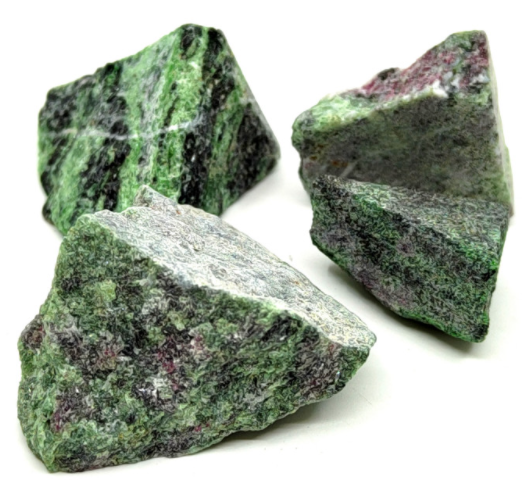
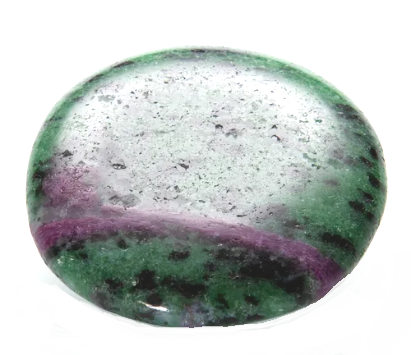
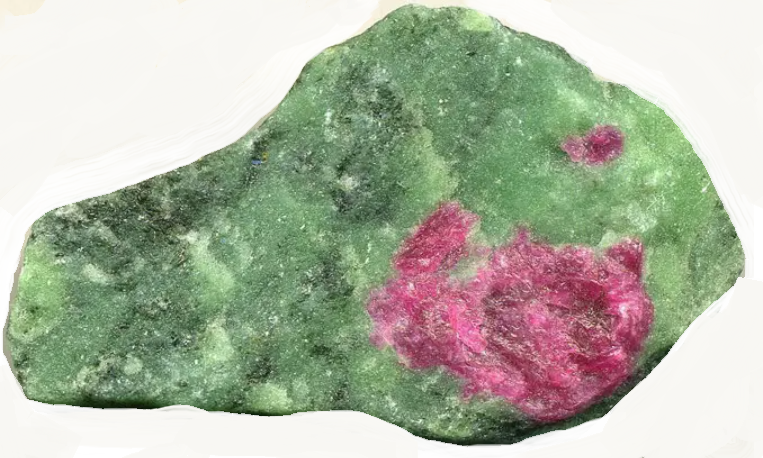
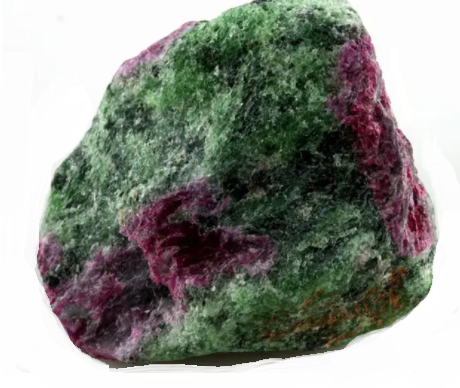
- it is a heart stone that balances masculine and feminine energy in the body
- protects against fear and negative thinking - provides effective protection against psychic attacks
- deepens love for others and for the whole world - it can help you express love
- great for overcoming betrayal in love
- heals and balances emotions, stimulates feelings of love
- transforms negative energy into positive and prevents mood swings and stress
- adds zest for life
- increases prosperity and attracts money into life
- improves psychic abilities and the ability to make decisions and act according to your own decisions
- gives the energy to take on tasks and see them through to the desired result
- helps with communication
- helps a person maintain their individuality while also being part of the world around them
- helps you respond calmly to difficult life situations and cope with stressful states
- conducts and amplifies energy excellently
- is excellent for people who lack motivation or willpower
- allows us to discover our hidden talents and feelings.
- at work, it stabilizes emotions and prevents emotionally charged conversations
- increases trust in oneself and the universe
HEALTH EFFECTS
- slows down an accelerated pulse and heartbeat - maintaining balance in the body, especially during periods of stress
- protects against viral and bacterial diseases
- reduces over-acidification of the body
- has a beneficial effect on the thyroid gland, adrenal glands, and heart
- is used as a complementary treatment for chronic fatigue syndrome and various immune disorders
- works very well for patients after chemotherapy or radiotherapy
- helps with potency and disorders of the sexual organs
- treats sexual neuroses and frigidity
CLEANING AND CHARGING
- before the full moon, cleanse in a stream or in a sea salt solution
- recharge with a rosemary infusion
CHAKRA: Ruby Zoisite is a powerful heart stone - it activates the heart chakra.
PLANET: Mars and Venus
ELEMENT: water, earth
SIGN: Scorpio, Aries, Cancer, Sagittarius
SITE
- large deposits of ruby zoisite are found in India and Zambia; the mining area is small, specifically only 4 kilometers wide and 2 kilometers deep
- green and ruby zoisites are found in Tanzania, around Kilimanjaro; a combination of two crystals, Ruby and Zoisite, uniting the power of the elements of water and earth
- other colors occur in Afghanistan, Austria, Cambodia, Kenya, Norway, Madagascar, Pakistan, Sri Lanka, and in several places in the United States
COMPOSITION
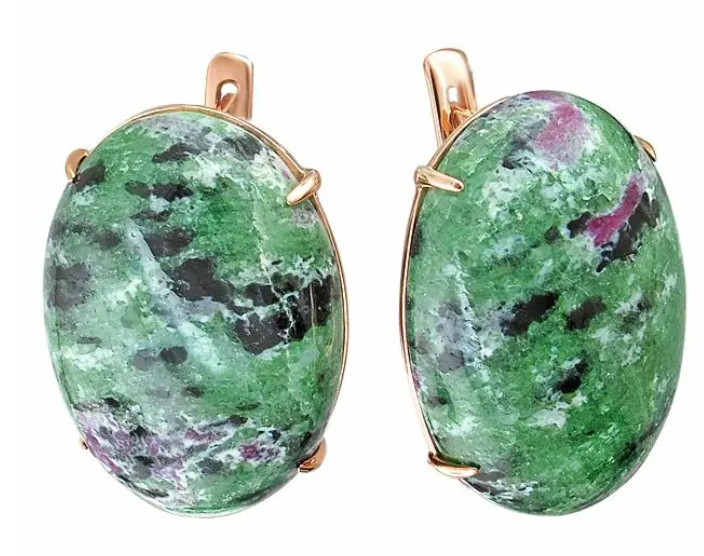
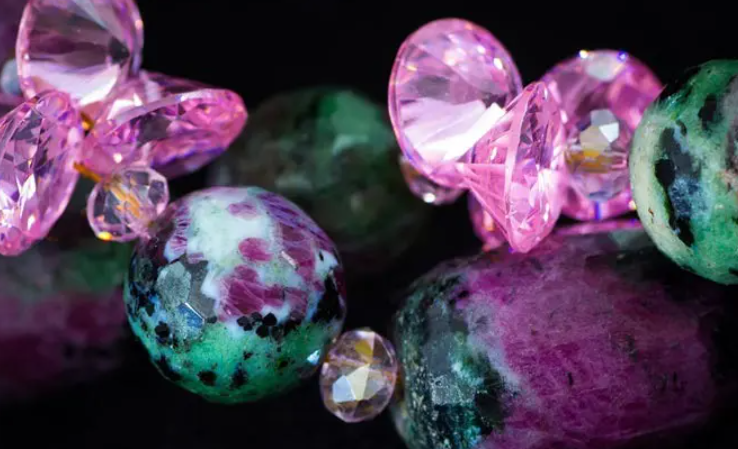
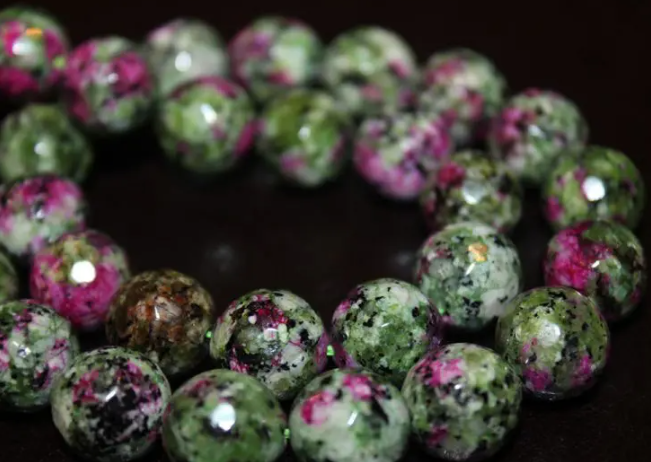
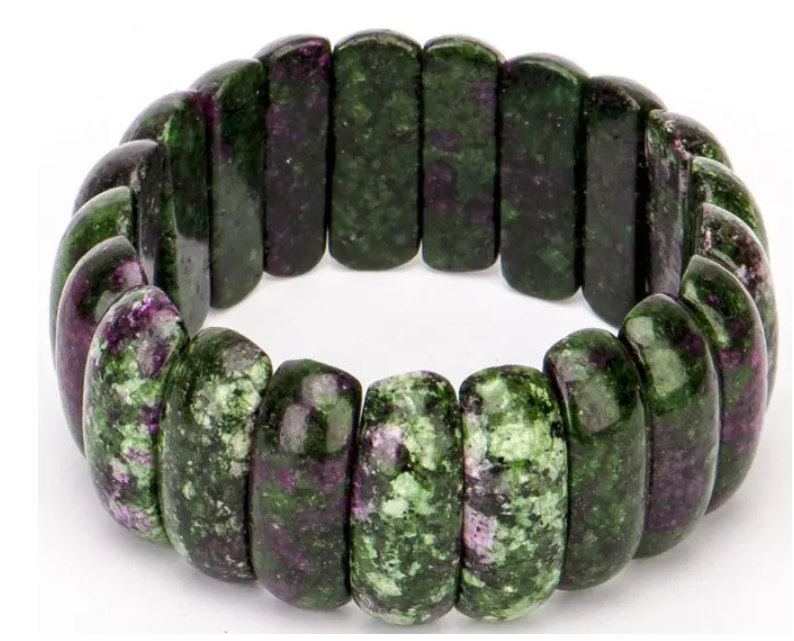
ANYOLITE can be understood as a distinct variety of zoisite or as a special metamorphosed rock (however, it is not accepted as a rock). It is composed of light green zoisite, dark green pargasite, and ruby. It was first discovered in 1954 near Longido in Tanzania, and the name was derived from the Maasai word "anyoli," which literally means green. Ruby is a pink to red gemstone consisting predominantly of the mineral corundum with a trace of chromium causing the coloration.
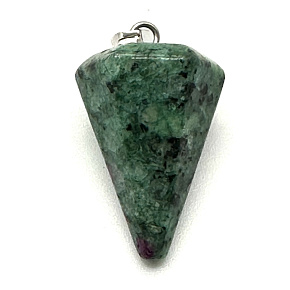
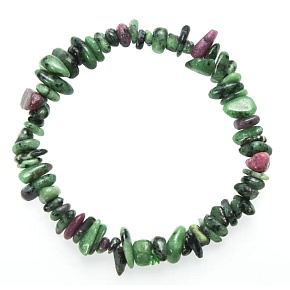
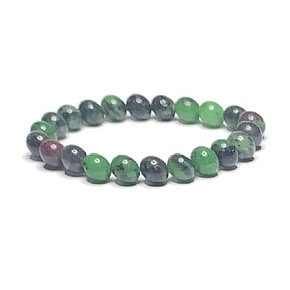
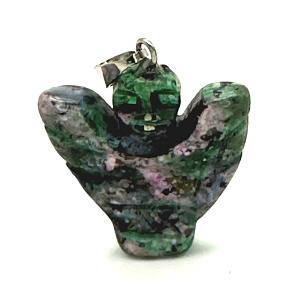
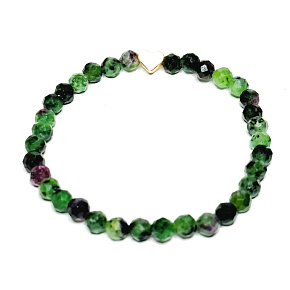
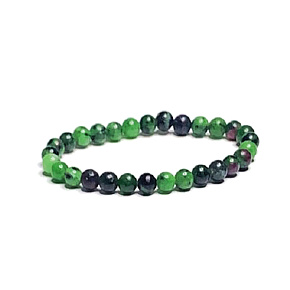
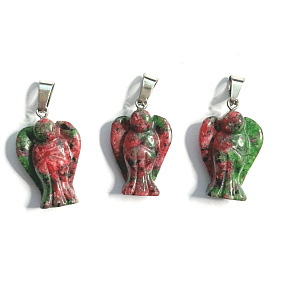
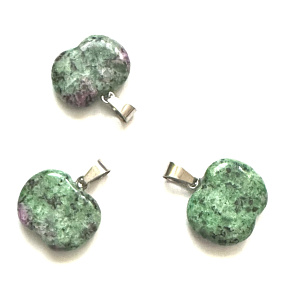
This stone contains small ruby crystals embedded in green zoisite.
Brings harmony into life, balancing tenderness and love with sexuality. It helps with independence in decision-making, gives courage, and helps one face attacks more firmly during arguments and clashes of opinion. Transforms negative energy into positive, helps cope with difficult life situations and states of stress.
HISTORY AND TRADITION
In human history, the mineral zoisite has proven to be an important mineral, especially when a new variety was discovered in Tanzania in 1967. This discovery led to the creation of one of the most popular gemstones of our time. Zoisite was first discovered by the mineral dealer Simon Preschern, who found it in the Saualpe mountain range in Austria in 1805. The sample was brought to the Slovenian mineralogist Sigmund Zois (1747–1819), who recognized it as a previously unknown mineral. The meaning of the stone comes from the word "Maasai," which means green. It was named after the Austrian naturalist and scientist Sigmund Zua von Edelstein, who identified the mineral as a unique specimen in his extensive collection.

/search_thin.svg)

/user.svg)
/cart.svg)

/heart.svg) Favorite
Favorite/compare.svg) Compare
Compare