
/search_thin.svg)

/user.svg)
/cart.svg)
E-mail: info@energetickekameny.czTelefon: +420 606 647 298
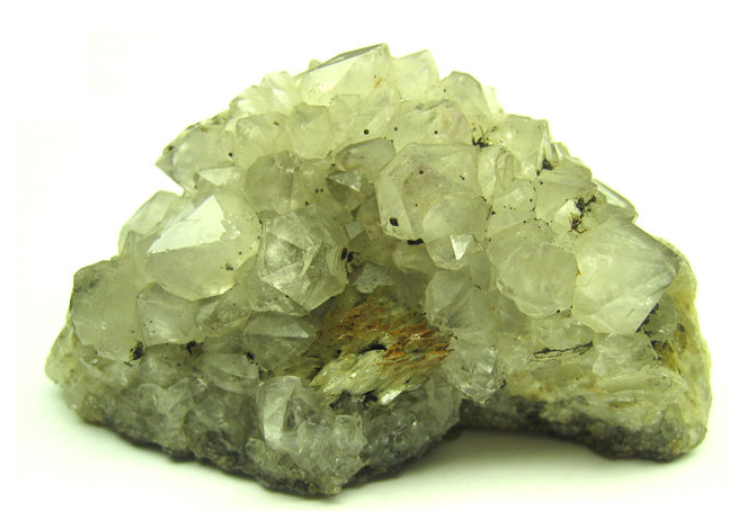
PRASIOLITE / PRASIOLITE / GREEN AMETHYST, intellect – memory – concentration – harmony
PRASIOLITE STONE ABILITIES, LUCK - STRENGTH - PERSPECTIVE - MEMORY
a rare mineral that improves memory, develops logic and imagination, and supports intellectual cognitive activity
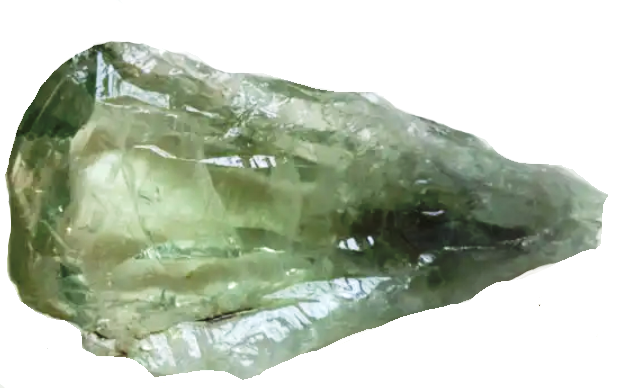
- helps normalize energy and concentration, making it very useful for rituals
- has the ability to absorb all information and energy for millions of years
- experienced wizards can use it to glimpse into the past, strengthen their abilities, distinguish falsehood from truth, and even confuse other people.
- improper use can lead to mental illnesses, sleep disorders, and chronic fatigue
it should be kept in mind that green quartz has safer properties:
- a talisman that protects its wearer from the evil eye, harm, and deceitful people,
- enhances positive character traits,
- helps gain energy and improves mood,
- attracts good luck,
- gives confidence in one’s abilities, especially in difficult life situations,
- contributes to the rapid stabilization of the financial situation,
- develops creative inclinations,
- helps in love relationships,
Long-term wearing of the amulet will increase the speed of thinking and strengthen memory. Stone can also be useful in teaching. Accelerates the learning process by reducing the negative effects of psychological stress and stress. Green quartz also helps its owner adapt more easily to major changes in life.
HEALTH EFFECTS
The healing effect of the stone is focused on restoring the body's vital functions and preventing problems with organs and various systems.
Many lithotherapists are convinced that filtered water infused with a stone will be able to:
- restore blood circulation and ensure the supply of oxygen and nutrients to tissues and organs;
- normalize the functioning of the nervous system;
- get rid of mental disorders and create emotional balance;
- stabilize energy metabolism;
- eliminate the consequences of stressful situations.
In addition, such water is actively used as a cosmetic product.Regular washing is recommended. The effect does not take long to appear - the condition of the skin improves, wrinkles visibly tighten, micro-cracks contract, and age-related pigmentation disappears.The face becomes smooth and well-groomed.
Many medicinal properties have not yet been scientifically substantiated. A number of cases have been recorded in which somatic illnesses, including colds and SARS, were cured using the stone. In diseases of the respiratory system, improvement in condition is noticeable after just a few procedures. The mineral also helps restore the protective function of the immune system.
ZODIAC SIGNS
Vermarine is characterized by its friendliness. It will not harm any of the zodiac signs, so you can wear such a charm without restriction.
- However, this stone has a particularly strong effect on Sagittarius and Pisces. Constant wearing of prasiolite products develops such important character traits in these zodiac signs as: sincerity, attentiveness, pride.
In addition, it enables a person to better control their own emotions and respond more easily to the aggression of others. The amulet frees representatives of all zodiac signs from phobias and fears and also enables them to find inner harmony.
(“++” - the stone fits perfectly, “+” - can be worn, “-” - absolutely contraindicated):
| Zodiac Sign | Compatibility |
|---|---|
| Aries | ++ |
| Taurus | + |
| Gemini | + |
| Cancer | + |
| Leo | + |
| Virgo | + |
| Libra | + |
| Scorpio | + |
| Sagittarius | ++ |
| Capricorn | + |
| Aquarius | ++ |
| Pisces | ++ |
JEWELRY
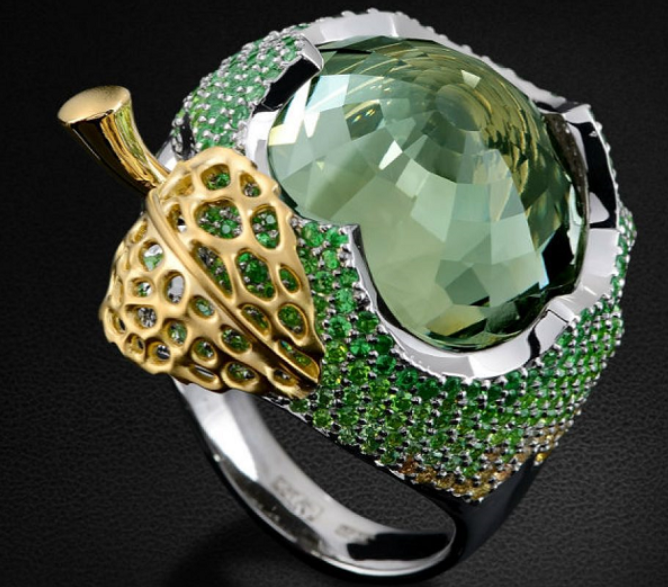
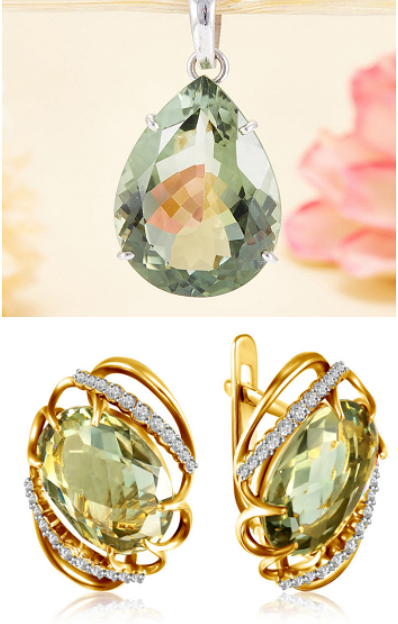
The mineral is considered very valuable due to its rarity and fragility. Large samples are practically not found. It is assumed that the magical properties of this stone are most pronounced in the silver cut. For this reason, this metal is the most sought-after.
- Green quartz is also often set in yellow, rose, or white gold.
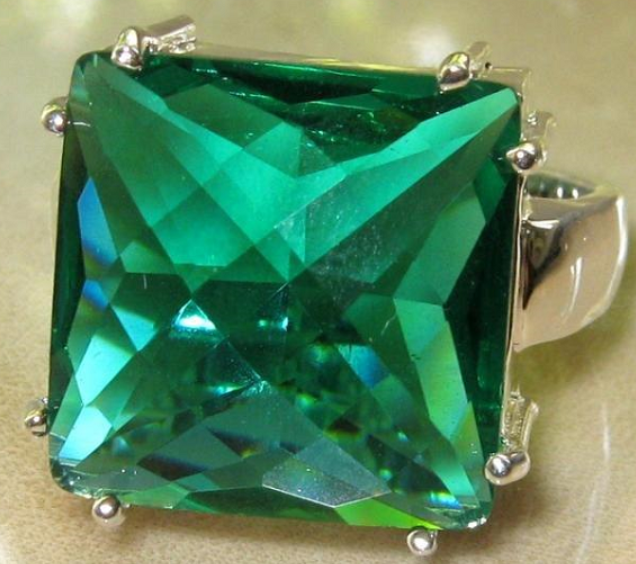
- Prasiolite stone is often combined with artificial gemstones - cubic zirconia.
The unusual properties and uniqueness of the crystal compared it to precious gemstones. Only large jewelry manufacturers produce such jewelry. Real prasiolite is therefore relatively expensive, and not everyone can afford to buy it.
The beautiful luster of prasiolite allows it to be combined with many other stones. These include, for example, topaz and tourmaline.
Cubic zirconia effectively replaces diamonds in combination with hallmarked metal. In a diamond setting, it is very luxurious. Products with green crystal are well complemented by amethyst and various types of quartz.
CARE
Jewelry made from this material is not too demanding to maintain. We recommend storing them separately from other jewelry in your personal jewelry box. You should also follow the following repository rules:
- Avoid physical impacts. Since the mineral is very delicate and easily damaged, it is necessary to handle it with care. You should remove your jewelry when playing sports and doing household chores.
- Avoid exposure to chemicals and cosmetics. This often leads to uneven color and cracking.
- Do not use soap when cleaning the stone. Clean as needed with a dry cloth or cold water.
The main condition for storing and wearing prasiolite is the absence of prolonged contact with sunlight. Otherwise, the stone will quickly lose its appearance and it will not be possible to restore it.
COLOR
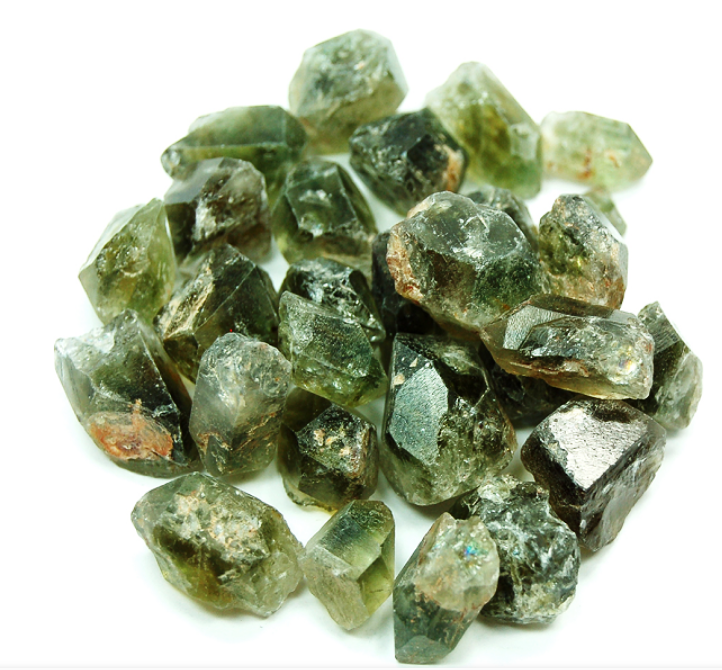
Prasiolite is a rare mineral that is almost never found in nature. The only way to use it is in jewelry. This stone is also popular among collectors. For this reason, samples are often sold unprocessed.
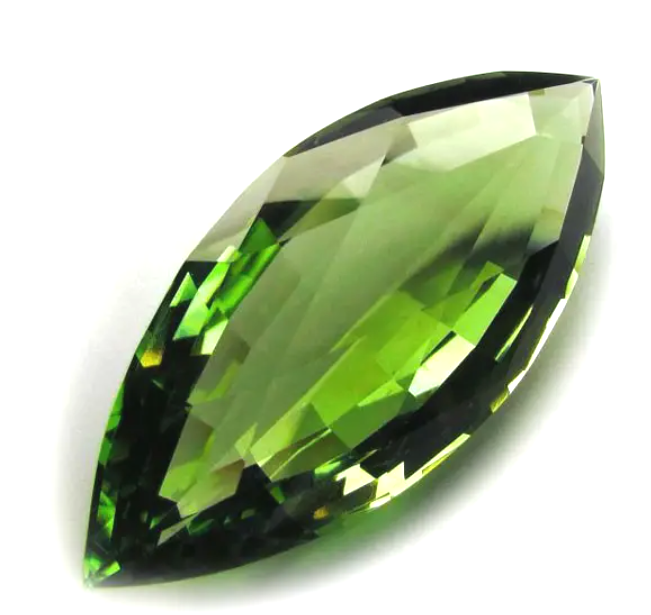
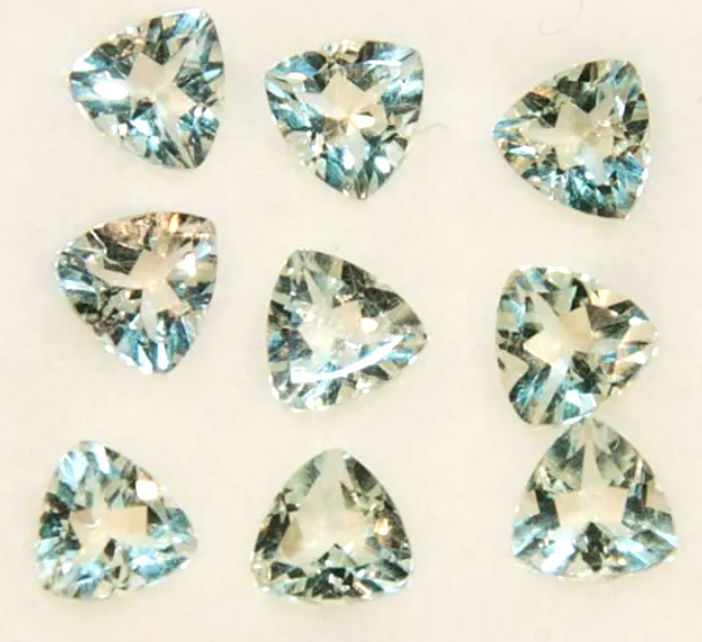
Natural prasiolite usually has a light green color. Brighter colors are characteristic of stones obtained under laboratory conditions. The following shades of this type of quartz are distinguished:
- Green onion. Such samples are assumed to have the strongest magical effects. This color is classic and the most popular.
- Green yellow. A popular option that is rarely found among natural stones. It is important to keep in mind that the yellow tint should not be too strong.
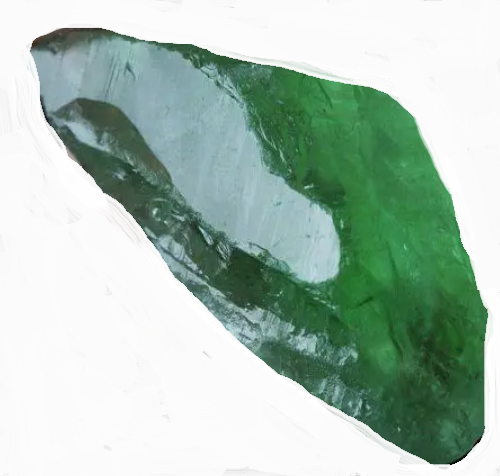
- Dark green and emerald green. Such shades are most often obtained when processing amethyst. Sometimes there are specimens with a slight bluish tint.
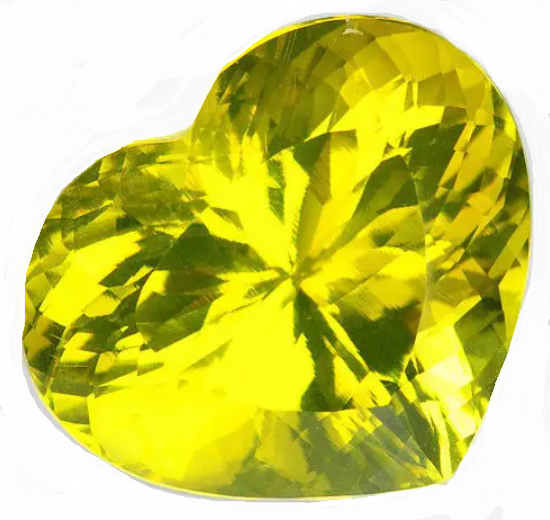
The greatest rarity is lemon-colored prasiolite, which will be difficult to obtain.
It is important that the mineral may even lose its color and become completely colorless as a result of prolonged exposure to the sun or for other reasons.
SITE
- There are currently no specialized deposits of this material, but relatively large volumes are mined in the following countries: India, USA, Russia, Brazil.
- Green quartz is most commonly found inside volcanic, igneous, and metamorphic rocks. Special attention is paid when obtaining this material. The reason is that it is easily damaged and becomes unsuitable for further processing and sale.
HISTORY AND TRADITION
The origin of rare materials and minerals is linked to an interesting legend: their creator is considered to be the devil himself, who wanted to awaken greed and temptation in Eve, the first woman on Earth.Even in the modern world, most of the population experiences these feelings while standing in front of a jewelry store window. There is no less mysterious legend about the origin of prasiolite itself.
- In the distant XNUMX. the century, the Russian Empress Catherine II received a gift from the King of Poland and Grand Duke of Lithuania, Stanisław II. Augusta Poniatowski, a beautiful handmade brooch, at the center of which was a magnificent mint-colored stone. The king spoke of the mineral's ability to endow people with steadfastness and perspective. According to historical sources, the Russian ruler liked the jewelry so much that she wore it every day until her death. Perhaps it was the unusual properties of this jewel that helped Catherine II withstand all enemies and elevate the Russian Empire to a new level.
It is worth mentioning that the jewel itself was discovered long before the beginning of our era.
- As early as 2,500 years ago, the ancient Greeks used it to make their jewelry and called the stone “onion,” which is associated with the resemblance of the practically unpigmented fragments of prasiolite to leek. The reason is the peculiarity of the mineral, which loses its color when exposed to sunlight for a long time. However, gemologists from all over the world have so far been unable to resolve the resulting confusion.
- Many of them consider prasiolite to be a green amethyst with a distinctive shade, because in its composition it belongs to the rock-forming quartz minerals. However, the distinctive features and characteristics provide reason to speak of an entirely new type of natural resources.
- Prasiolite is a type of quartz. Stone is brittle, so it is extremely difficult to work with. The coloration ranges from shades of green. This material is often confused with stones such as: peridot, prase, tourmaline.
- The mineral is sometimes called “green quartz,” “vermarine,” or “onion amethyst.” Most of the specimens sold on the jewelry market are obtained under laboratory conditions. These stones are created from amethyst by heating. Whether such samples are natural is debatable. Regardless of their origin, they share the physical and chemical properties of genuine prasiolite. However, it is generally acknowledged that these minerals do not possess magical energy.
The property of yellow and purple quartz to change color when heated was noted many centuries ago. The inhabitants of the Urals revealed their national secret: you can earn praise by baking yellow citrine in a loaf of bread.
In India, stones are heated in solar furnaces made of mirrors.
PHYSICAL PROPERTIES
By examining only the appearance of prasiolite, it can easily be mistaken for minerals such as beryl, peridot, or tourmaline. Its color is often compared to leek stalks. Physical properties of the mineral:
| Properties | description |
|---|---|
| Formula | SiO2 |
| Hardness | 7 |
| Density | 2.65 g / cm |
| Refractive index | 1.544 - 1.553 |
| Cleavage | None. |
| Crystal system | Trigonal. |
| transparency | Transparent or translucent. |
| Break | Crispy, very brittle. |
| Color | Dark green, green with a yellow tint, onion green. |
DEFINITION OF AUTHENTICITY
- If you are knowledgeable only about natural jewelry and have the opportunity to buy a high-quality but expensive product, you should know several properties of prasiolite that will allow you to distinguish a fake and make the right choice.
- The substitute stone is primarily green quartz obtained from amethyst. Such a fake is very difficult to distinguish from genuine prasiolite without special equipment, but if you are careful, you will notice that the unnatural stone is not transparent, but somewhat cloudy.
- The stone is additionally characterized by crystalline shades and an onion-like shape. It is very fragile and requires careful handling.
- Buyers also often confuse the stone with the so-called iolite — a magnesium and iron aluminosilicate that has undergone heat treatment.