/search_thin.svg)

/user.svg)
/cart.svg)


Best-selling

Code:
2600298
10.22 EUR
In stock
/heart.svg) Favorite
Favorite/compare.svg) Compare
Compare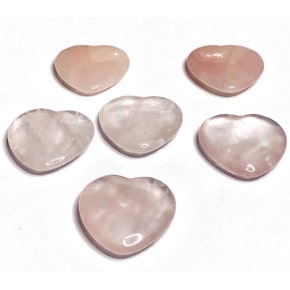
Code:
2201384
5.60 EUR
In stock
FavoriteCompare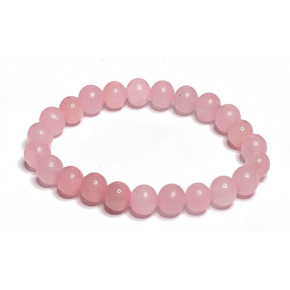
Code:
2201430
26.25 EUR
In stock
FavoriteCompare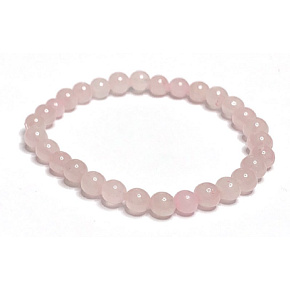
Code:
2201428
23.40 EUR
In stock
FavoriteCompare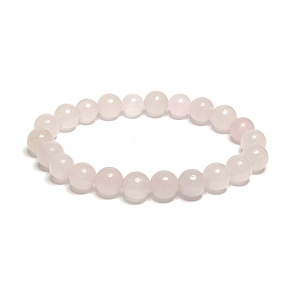
Code:
2201429
25.65 EUR
In stock
FavoriteCompare
Filtering according to parameters
Sort products by
Sort by
Products
Price
Code:
2201430
26.25 EUR
In stock
FavoriteCompareSupports a deep emotional connection between partners.
Code:
2201428
23.40 EUR
In stock
FavoriteCompareIt brings harmony to relationships, eases tension, and supports mutual understanding between partners.
Code:
2203307
5.25 EUR
In stock
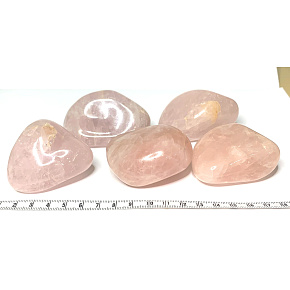
FavoriteCompareHelps create relationships based on trust, respect, and love.
Code:
2203306
3.74 EUR
In stock
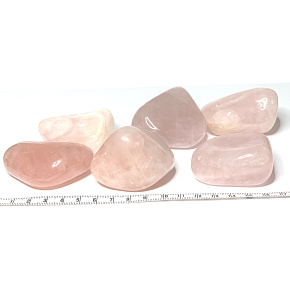
FavoriteCompareIt brings a feeling of safety, love, and inner peace.
Code:
2203308
6.77 EUR
In stock
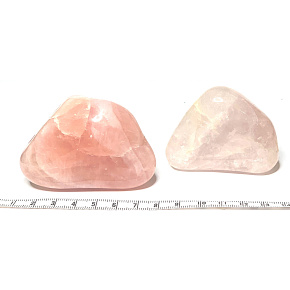
FavoriteCompareIt attracts harmony, peace, and positive energy into your life.
Code:
2203966
5.64 EUR
In stock
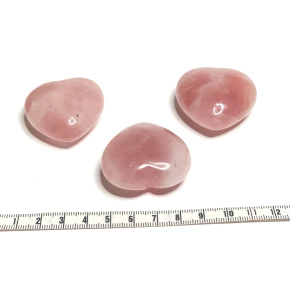
FavoriteCompareSupports sensitivity, gentleness, and the perception of beauty around you.
Code:
2300752
3.14 EUR
In stock
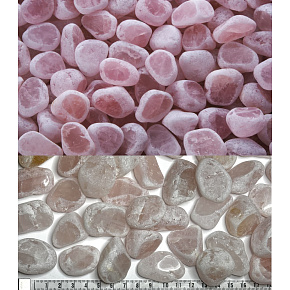
FavoriteCompareReleases stress, tension, and negative emotions that burden your heart.
NOVINKA
Code:
2600331
2.78 EUR
In stock
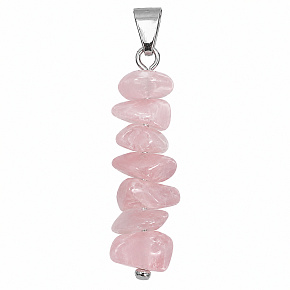
FavoriteCompareThe delicately pink rose quartz enchants with its natural beauty and the unique shades of each stone. The compact size of 2.5 cm allows comfortable wearing on a chain, cord, or favorite bracelet. A timeless piece of jewelry inspired by the traditional symbolism of love, tenderness, compassion, and inner harmony.
Code:
2201429
25.65 EUR
In stock
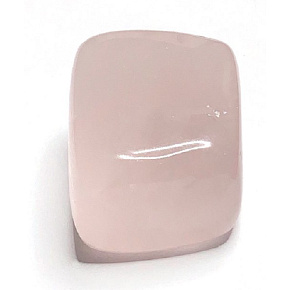
FavoriteCompareIt supports deep self-love and helps you finally perceive your own worth without the need for validation from others.
Code:
2201533
3.17 EUR
In stock
FavoriteCompareThe stone of love and relationships, which helps to find a partner and deepen feelings in a relationship.
NOVINKA
Code:
2600340
5.25 EUR
In stock
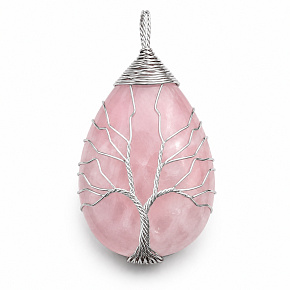
FavoriteCompareSoft pink rose quartz combined with the Tree of Life creates an elegant piece of jewelry that captivates with its delicate beauty and deep symbolism. An elegant pendant with a total length of approximately 5.5 cm is a beautiful accessory for everyday wear as well as special occasions. An original gift for anyone looking for a symbol of love, harmony, tenderness, and strong interpersonal relationships.
Code:
2201384
5.60 EUR
In stock
FavoriteCompareSupports forgiveness and the ability to let go of the past.
Code:
2600298
10.22 EUR
In stock
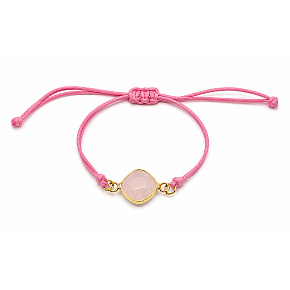
FavoriteCompareElegant adjustable bracelet with faceted rose quartz in a gold setting. A delicate natural mineral in soft pink shades that feels romantic and timeless. A minimalist piece of jewelry inspired by the traditional symbolism of love, kindness, and harmony.