CLEANING Silver IN SEVERAL WAYS
1. Aluminum foil and salt (10 minutes)
- Place a piece of aluminum foil in a bowl or line the bottom of the bowl with aluminum foil.
- Then add a tablespoon of table salt to the bowl.
- Pour hot Water over the aluminum foil and salt, and place your Silver jewelry into the resulting bath.
- Let the bath work for about half a minute. (depends on the level of contamination)
- After this time, remove the Silver and rinse it with cold Water.
- Finally, dry the jewelry, preferably with a Silver cloth.
2. Dishwashing liquid (5 minutes) - suitable for jewelry with stones
- Add dishwashing liquid to a container of warm Water, stir the Water, and you can place the jewelry in the container for a few seconds.
- Then remove the jewelry and dip a piece of cloth into the created soap bubbles and gently wipe it.
- You can also gently clean models adorned with stones in this way, using a soft brush to clean their surroundings.
- When the jewelry is clean, rinse it in cold Water and polish it with a cloth.
- Put 1/2 cup of vinegar and 2 tablespoons of Baking soda into a bowl.
- Then, immerse the jewelry into the resulting solution.
- Let it sit for 2 to 3 hours.
- After this time, remove the Silver and rinse it thoroughly under a stream of cold Water.
- Finally, dry the jewelry using a soft cloth.
4. Baking powder
- Prepare a damp cloth and a small bowl.
- Mix 1 tablespoon of Water and 3 tablespoons of baking powder.
- You always moisten the Silver jewelry and then apply the prepared paste to it using a lint-free cloth.
- Clean until the jewelry is clean. Gradually replace the pieces of cloth with clean ones until the jewelry is completely free of dirt.
- Rinse the jewelry under cold Water and wipe it dry with a soft cloth.
5. Lemon and salt – only for jewelry without stones
- Pour about 2 cups of hot Water into a small bowl.
- Then squeeze one whole Lemon into the Water.
- Add 3 tablespoons of fine table salt.
- Place the jewelry in this bath and leave it submerged for 5 minutes.
- After removing the jewelry after 5 minutes, carefully dry it with a soft cloth.
- Pour classic Coca-cola into a medium-sized bowl halfway and simply submerge the jewelry in it.
- Let it sit for 10 minutes to allow the bubbles and Phosphoric acid in the drink to take effect.
- After this time, take out the jewelry, rinse it under cold Water, and dry it with a soft cloth.
7. Ketchup
- Prepare a small bowl and squeeze ketchup into it.
- Take a dish sponge and dip the softer side into the ketchup.
- Using a sponge, spread ketchup all over the jewelry.
- You need to spread it evenly and apply sufficient pressure where the contamination is stronger.
- When the jewelry is completely covered with ketchup, set it aside and let it sit for 10 minutes.
- Then rinse the jewelry under cold Water and dry it with a soft, gentle cloth.
8. Toothpaste – without whitening effect and abrasive substances
- Apply a small amount of toothpaste to a soft cloth and place it on the jewelry.
- With gentle movements, start cleaning, constantly replacing the dirty cloth with a new one as soon as it gets dirty.
- You must clean all jewelry with a clean piece of cloth only.
- Once cleaned, rinse each piece of jewelry with warm Water and dry it with a soft cloth.
- If you want to use a toothbrush with the paste, make sure it is a soft one to avoid damaging the jewelry.
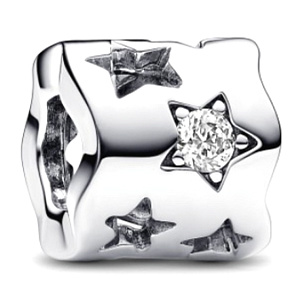
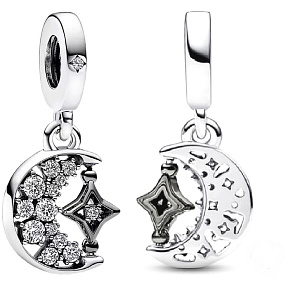
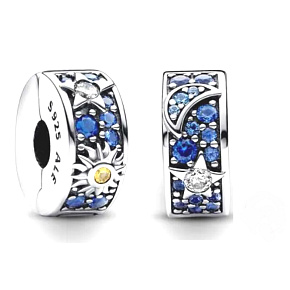
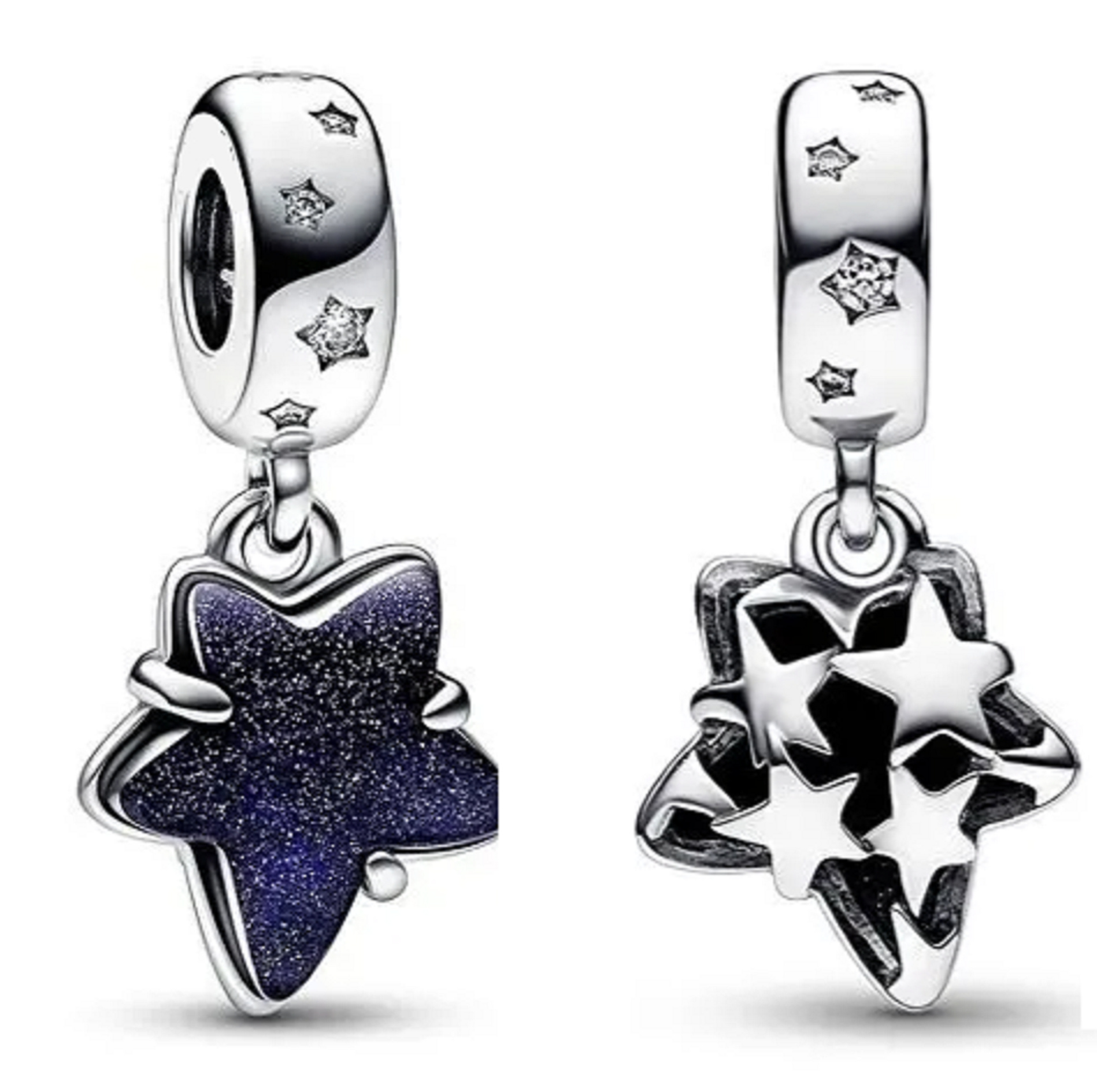
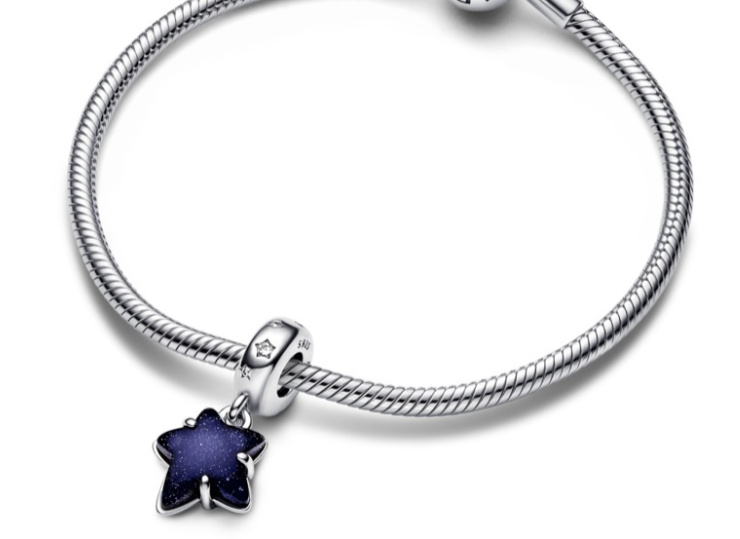
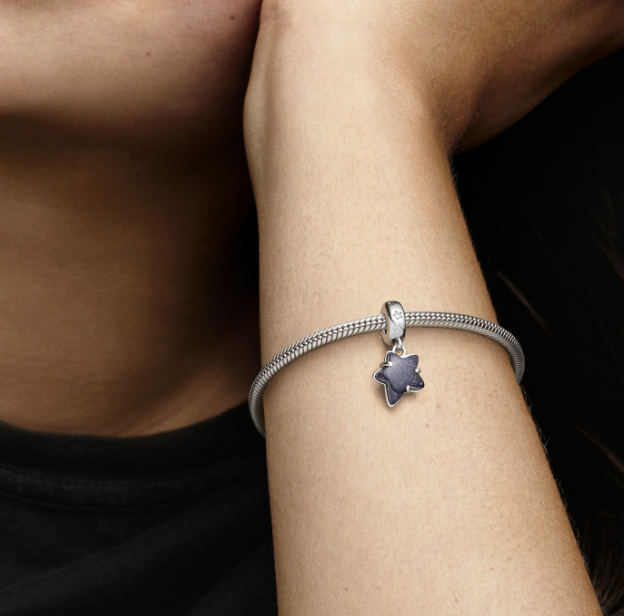
Approximate weight: about 2 g
Material: Silver 925/1000
- double-layer plating 925 Silver, highly polished, color fade-resistant,
- anti-allergic 925 Silver
925 Sterling Silver consists of 92.5% pure Silver
- this is the highest content and best quality
- pendants and jewelry with lower content are less valuable and of lower quality, if jewelry had a content higher than 925, the Silver would be too soft to be worn as jewelry
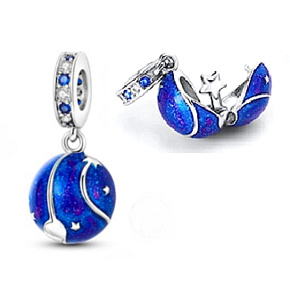
Murano glass or also Venetian glass.
The name is mainly because this glass is primarily produced in Venice. The entire process of making and decorating
Murano glass dates back 1000 years. In Venice, craftsmen began making jewelry from glass.Even though the production was very demanding, it was beautiful and very popular, especially among the upper classes.
The production of Murano glass takes place in accordance with ancient traditions using the melting of Silica sands.
Precise handmade production using the so-called
Murano techniques guarantee the uniqueness, quality, and originality of the jewelry. Each piece is unique and exclusive, the result of work imbued with the creator's passion. Their wearers are women who have a clear style and their own identity.
This glass is made from silicon dioxide, soda, Limestone, and Potassium melted in a special furnace at a temperature of 1500 °C to achieve a liquid state.
Very thin layers of real gold or
sterling Silver are often added to the glass mixture, along with various minerals that give the glass its vibrant colors and patterns. For example, copper is used for spark-like minerals such as
Aventurine, zinc is added for white color, cobalt for blue, manganese for purple, and gold for red. The resulting liquid glass mixture is then blown or handcrafted by master glassmakers in a series of intricate steps using special techniques such as
Millefiori,
Sommerso,
Reticello,
Filligrana,
Bullicante, and many others.



/user.svg)
/cart.svg)


/heart.svg)
/compare.svg)
/envelope.svg)
/bell.svg)
/share.svg)