/search_thin.svg)

/user.svg)
/cart.svg)

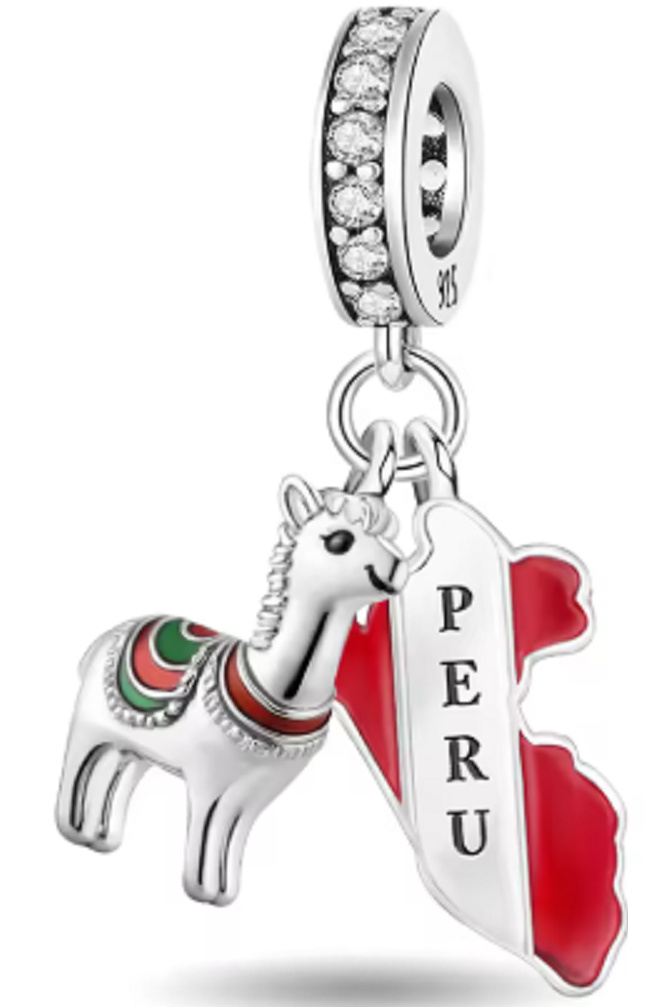
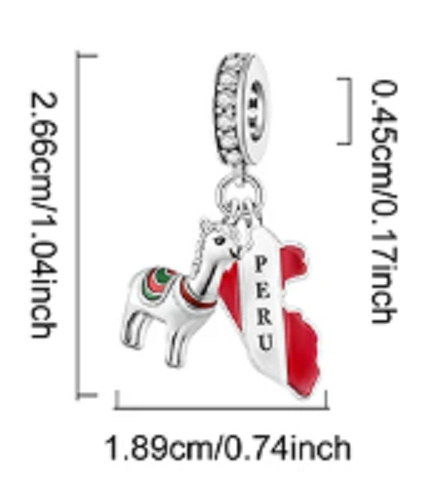
Charm Peru – vlajka, lama a energie And | 2v1 přívěsek na náramek cestování
Code: 2600077In stock
Date and method of delivery

Originální přívěsek inspirovaný kouzlem Peru spojuje ikonické symboly této fascinující země – lamu, Read more
Choose a discounted package
Quantity discounts
/envelope.svg)
Query
/bell.svg)
Watch
/share.svg)
Share
PARAMETERS
Producer:
Code:
2600077
ean:
2000000894607
Status:
Material:
925 Silver
Manufacturer:
MaKS Team Ltd.r.o
Description Charm Peru – vlajka, lama a energie And | 2v1 přívěsek na náramek cestování
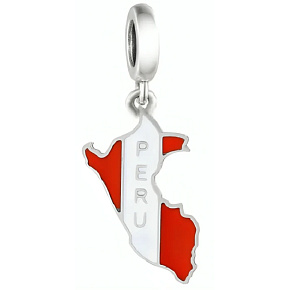
Originální přívěsek inspirovaný kouzlem Peru spojuje ikonické symboly této fascinující země – lamu, tradiční peruánské barvy a siluetu mapy s nápisem PERU. Lama je neodmyslitelně spojená s andskou kulturou a připomíná vytrvalost, spojení s přírodou a život v horách.
Přívěsek je krásnou vzpomínkou na cestu do Peru, návštěvu majestátních And, Cusca nebo Machu Picchu, ale také na dobrodružství, která teprve čekají. Skvěle se hodí do cestovatelského náramku a jako dárek pro všechny, kteří milují Jižní Ameriku, hory a objevování nových míst.
Symbolika přívěsku
- Lama – vytrvalost, odolnost a spojení s andskou přírodou
- Mapa Peru – cestování, objevování a nezapomenutelné vzpomínky
- 🇵🇪 Barvy Peru – tradice, kultura a energie země
- PERU – osobní připomínka navštívené nebo vysněné destinace
Pro koho je přívěsek ideální
- pro milovníky Peru, Jižní Ameriky a And
- jako památka na cestu do Peru
- pro cestovatele s dobrodružnou duší
- jako dárek pro milovníky lam a andské kultury
- pro každého, kdo si chce své cestovatelské vzpomínky nosit stále u sebe
Tento přívěsek není jen šperk. Je to malý kousek Peru, který v sobě spojuje sílu And, andskou tradici a touhu objevovat svět.
10 důvodů, proč navštívit Peru
- Machu Picchu – ikonické místo ukryté vysoko v Andách a jeden z největších symbolů Peru.
- Dědictví Inků – fascinující historie, architektura a tradice dávné civilizace.
- Andy – majestátní hory, vysokohorská jezera a dechberoucí krajina.
- Lamy a alpaky – neodmyslitelná součást andské kultury a života místních obyvatel.
- Amazonský prales – obrovská biodiverzita a jedinečné přírodní prostředí.
- Cusco a Posvátné údolí – místa, kde se dodnes setkává historie Inků s živou peruánskou kulturou.
- Peruánská kuchyně – pestrá kuchyně ovlivněná pobřežím, Andami i Amazonií.
- Jezero Titicaca – vysokohorské jezero obklopené nádhernou krajinou a tradičními komunitami.
- Barevná řemesla a textilie – tradiční vzory, výrazné barvy a řemeslné techniky předávané po generace.
- Neuvěřitelná rozmanitost krajiny – Peru nabízí pobřeží, pouště, vysoké Andy i amazonský prales.
Vlastnosti produktu
- originální motiv Peru, mapy a lamy
- špičková kvalita řemeslného zpracování
- ručně dohotovené
- vysoce leštěný povrch
- barva odolná proti vyblednutí
- komponent k dotvoření vlastního šperku
- přívěsek je kompatibilní s náramky Pandora, Tedora a Trollbeads
- dekorativní prvek: zirkon, smalt
Mějte na paměti, že přívěsky nejsou úplně identické v důsledku ruční práce. Tento okouzlující přívěsek je perfektním dárkem pro vás i vaše blízké. Buďte originální, buďte jedinečná!
Vyprávějte svůj příběh s každým přívěskem a vytvořte náramek, který odráží, kdo jste, co jste prožili a kam vás ještě cesta zavede.
Fotografie je ilustrační. Vzhledem k ruční výrobě se mohou jednotlivé kusy mírně lišit.
CLEANING SILVER IN SEVERAL WAYS
1. Aluminum foil and salt (10 minutes)
- Place a piece of aluminum foil in a bowl or line the bottom of the bowl with aluminum foil.
- Then add a tablespoon of table salt to the bowl.
- Pour hot water over the aluminum foil and salt, and place your silver jewelry into the resulting bath.
- Let the bath work for about half a minute. (depends on the level of contamination)
- After this time, remove the silver and rinse it with cold water.
- Finally, dry the jewelry, preferably with a silver cloth.
2. Dishwashing liquid (5 minutes) - suitable for jewelry with stones
- Add dishwashing liquid to a container of warm water, stir the water, and you can place the jewelry in the container for a few seconds.
- Then remove the jewelry and dip a piece of cloth into the created soap bubbles and gently wipe it.
- You can also gently clean models adorned with stones in this way, using a soft brush to clean their surroundings.
- When the jewelry is clean, rinse it in cold water and polish it with a cloth.
3. Vinegar and baking soda
- Put 1/2 cup of vinegar and 2 tablespoons of baking soda into a bowl.
- Then, immerse the jewelry into the resulting solution.
- Let it sit for 2 to 3 hours.
- After this time, remove the silver and rinse it thoroughly under a stream of cold water.
- Finally, dry the jewelry using a soft cloth.
4. Baking powder
- Prepare a damp cloth and a small bowl.
- Mix 1 tablespoon of water and 3 tablespoons of baking powder.
- You always moisten the silver jewelry and then apply the prepared paste to it using a lint-free cloth.
- Clean until the jewelry is clean. Gradually replace the pieces of cloth with clean ones until the jewelry is completely free of dirt.
- Rinse the jewelry under cold water and wipe it dry with a soft cloth.
5. Lemon and salt – only for jewelry without stones
- Pour about 2 cups of hot water into a small bowl.
- Then squeeze one whole lemon into the water.
- Add 3 tablespoons of fine table salt.
- Place the jewelry in this bath and leave it submerged for 5 minutes.
- After removing the jewelry after 5 minutes, carefully dry it with a soft cloth.
6. Coca-Cola
- Pour classic Coca-Cola into a medium-sized bowl halfway and simply submerge the jewelry in it.
- Let it sit for 10 minutes to allow the bubbles and phosphoric acid in the drink to take effect.
- After this time, take out the jewelry, rinse it under cold water, and dry it with a soft cloth.
7. Ketchup
- Prepare a small bowl and squeeze ketchup into it.
- Take a dish sponge and dip the softer side into the ketchup.
- Using a sponge, spread ketchup all over the jewelry.
- You need to spread it evenly and apply sufficient pressure where the contamination is stronger.
- When the jewelry is completely covered with ketchup, set it aside and let it sit for 10 minutes.
- Then rinse the jewelry under cold water and dry it with a soft, gentle cloth.
8. Toothpaste – without whitening effect and abrasive substances
- Apply a small amount of toothpaste to a soft cloth and place it on the jewelry.
- With gentle movements, start cleaning, constantly replacing the dirty cloth with a new one as soon as it gets dirty.
- You must clean all jewelry with a clean piece of cloth only.
- Once cleaned, rinse each piece of jewelry with warm water and dry it with a soft cloth.
- If you want to use a toothbrush with the paste, make sure it is a soft one to avoid damaging the jewelry.
Material: silver 925/1000
- double-layer plating 925 silver, highly polished, anti-fade color,
- anti-allergic 925 silver, zircon, enamel, Murano glass
925 Sterling Silver consists of 92.5% pure silver
- this is the highest content and best quality
- pendants and jewelry with lower content are less valuable and of lower quality, if jewelry had a content higher than 925, the silver would be too soft to be worn as jewelry
The alpaca (Vicugna pacos) originates from the Andes mountains in South America, primarily from the regions of Peru, Bolivia, and Chile. It was domesticated over 5000 years ago, primarily for its valuable wool, which is known for its softness and quality. The Incas played a significant role in the development of llama breeding, and llamas formed the foundation of the economy of the entire empire. Alpacas served the indigenous people of Peru in every possible way. They were raised not only for their warm wool but also for their meat, skins, and bones, from which the indigenous people made various tools. They also utilized dung, which was a valued fuel in the Inca Empire, and served as a means of transportation, which was particularly useful in the difficult, mountainous terrain.
Alpacas are herbivores and primarily feed on grass, leaves, shoots, and other plant materials. Their digestion is highly efficient, and as a result, they consume less food than other animals of similar size. In our conditions, it is advisable to supplement with mineral and vitamin supplements in the form of granules. These supplementary feed mixtures are primarily given to pregnant and lactating females.
Alpacas reach reproductive maturity at around two years of age.
Pregnancy lasts approximately one year, after which one offspring is born, very rarely twins. Females are very dedicated mothers and take meticulous care of their young.Alpaca wool is very soft and fine.
Unlike sheep's wool, it does not contain lanolin, so it feels dry to the touch and does not have an unpleasant odor. Llama fiber is lighter and warmer than sheep's wool and is suitable for allergy sufferers. The color of the wool is an important factor in evaluating wool. We encounter many natural shades of wool. From pure white to black. However, there are various shades of gray and brown in between. There are up to 22 natural color shades available on the market.Product discussion Charm Peru – vlajka, lama a energie And | 2v1 přívěsek na náramek cestování
This item has not been discussed yet. If you want to be first, click on the button Add post
Variants of this product

Code:
2406715
34.21 EUR
In stock
/heart.svg) Favorite
Favorite/compare.svg) Compare
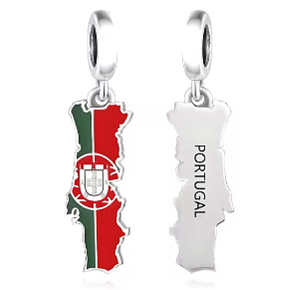
ComparePortugalsko, plným názvem Portugalská republika, je stát ležící na Pyrenejském poloostrově v jihozáp
Code:
2404422
19.21 EUR
In stock
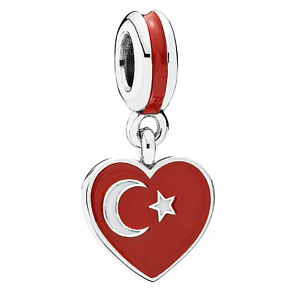
FavoriteCompareTurecko – fascinující země na pomezí Evropy a Asie, kde se setkává historie, orientální kultura, nád
Code:
2406714
34.92 EUR
In stock
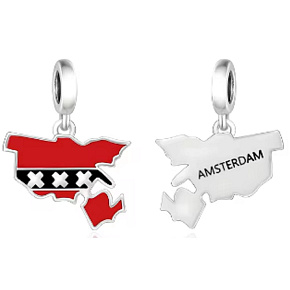
FavoriteCompareAmsterdam je hlavní a největší město Nizozemska, známé svou unikátní atmosférou, historickými kanály
Code:
2406716
33.85 EUR
In stock
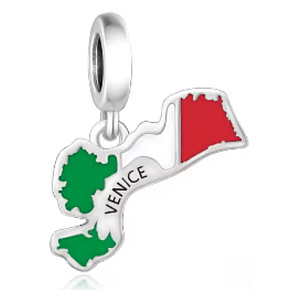
FavoriteCompareBenátky – jedinečné město postavené na vodě, kde místo silnic najdete kanály, místo autobusů gondoly
Code:
2305233
17.46 EUR
In stock
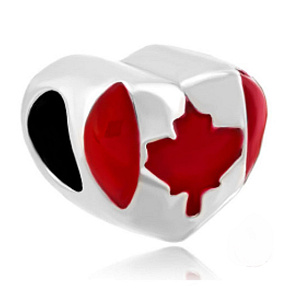
FavoriteCompareKanada – země nekonečných lesů, tyrkysových jezer, majestátních hor a divoké přírody. Tento krásný p
Code:
2302966
21.59 EUR
In stock
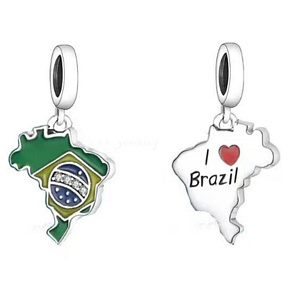
FavoriteCompareBrazílie – obrovská země plná kontrastů, kde se setkává Amazonie, tropické pláže, mohutné vodopády,
Code:
2406416
30.07 EUR
In stock
FavoriteComparePeru – země majestátních And, tajemných památek Inků, vysokohorských jezer, pouštních dun a amazonsk
Code:
2407387
17.46 EUR
In stock
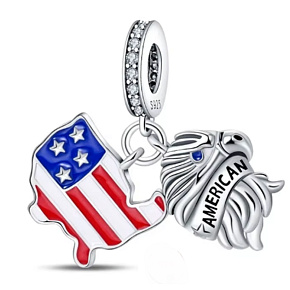
FavoriteCompareUSA, Spojené státy americké – země obrovských rozměrů, neuvěřitelných přírodních kontrastů a měst, k
Code:
2406419
34.53 EUR
In stock
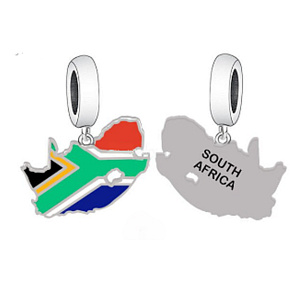
FavoriteCompareJihoafrická republika – země, kde se setkává divoká Afrika s nádhernými plážemi, majestátními horami
Code:
2500881
28.40 EUR
In stock
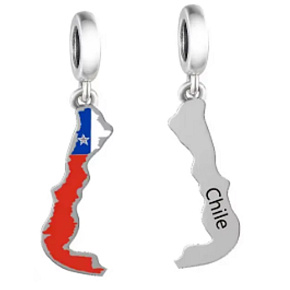
FavoriteCompareChile – úzká a neuvěřitelně dlouhá země, která se táhne od vyprahlé pouště Atacama až k ledovcům Pat
Code:
2305231
17.46 EUR
In stock
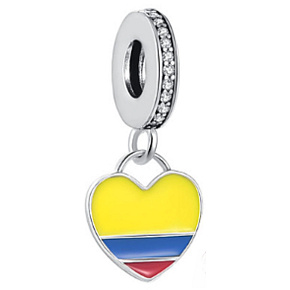
FavoriteCompareKolumbie – země kávy, tropické přírody, Karibiku, And a barevných měst. Tento krásný přívěsek ve tva
Code:
2302968
24.44 EUR
In stock
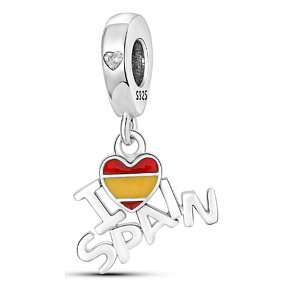
FavoriteCompareŠpanělsko – země slunce, moře, vášně, flamenca, tapas a nezaměnitelné atmosféry. Tento krásný 2v1 př